Clear Sky Science · en
Effects of a maternal–infant telecare program on postpartum maternal confidence and sleep quality of mothers and infants
Why This Matters for New Parents
Bringing a new baby home can be joyful and exhausting at the same time. Many mothers leave the hospital or postpartum centers still unsure about baby care and struggling with broken sleep. This study from Taiwan looks at a modern way to extend expert help into the home using video calls, online lessons, and messaging. It asks a question many families care about: can a structured telecare program make new mothers feel more confident and help both moms and babies sleep better?
New Mothers Caught Between Tradition and Modern Life
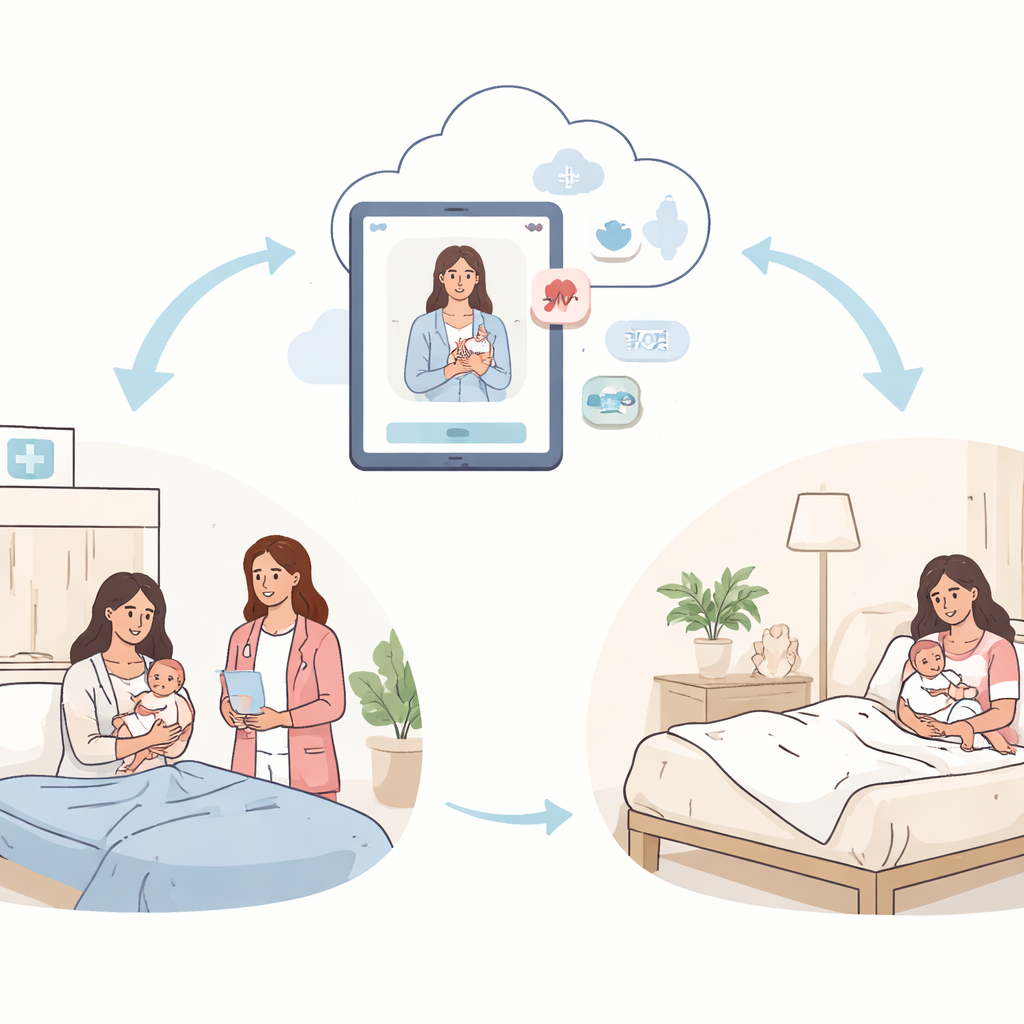
In Taiwan, many women follow a traditional month-long recovery period after birth, now often spent in specialized postpartum nursing centers. There, staff monitor health, guide breastfeeding, and even provide special meals. But the safety net can vanish once mothers go home and take on most of the baby care themselves. Frequent feeding, diaper changes, and soothing a wakeful baby through the night can quickly erode confidence and sleep. The researchers saw this vulnerable transition—leaving the center but not yet feeling secure at home—as a key moment where extra support might make a big difference.
A Digital Lifeline from Clinic to Home
To bridge this gap, the team designed a six-week Maternal–Infant Telecare Program delivered through a digital platform called “infancixhome.” Eighty-two first-time and experienced mothers who had stayed at least 30 days in a postpartum center were enrolled as they went home. The program combined three types of support. First, mothers received a steady stream of short, practical videos and matching instruction leaflets—45 in total—on topics such as recovery after birth, feeding, safe sleep routines, early development, and home safety. Second, they had weekly 30-minute video sessions with the same nurse, allowing for personalized guidance and follow-up. Third, weekday messaging hours let them ask questions about everyday concerns as they arose, from fussiness to sleep troubles.
Tracking Confidence and Sleep Over Time
The researchers checked in with the mothers three times: at the start, at six weeks, and at twelve weeks. They used standard questionnaires to measure how confident women felt about understanding and caring for their babies, and how well they themselves were sleeping. They also asked mothers to report their babies’ sleep patterns—how long infants slept, how often they woke at night, and how long they stayed awake after waking. While these reports reflect the mothers’ perceptions rather than lab-based measurements, they are important because how parents see their baby’s sleep strongly shapes their stress levels and day-to-day decisions.
Gains in Confidence and Calmer Nights
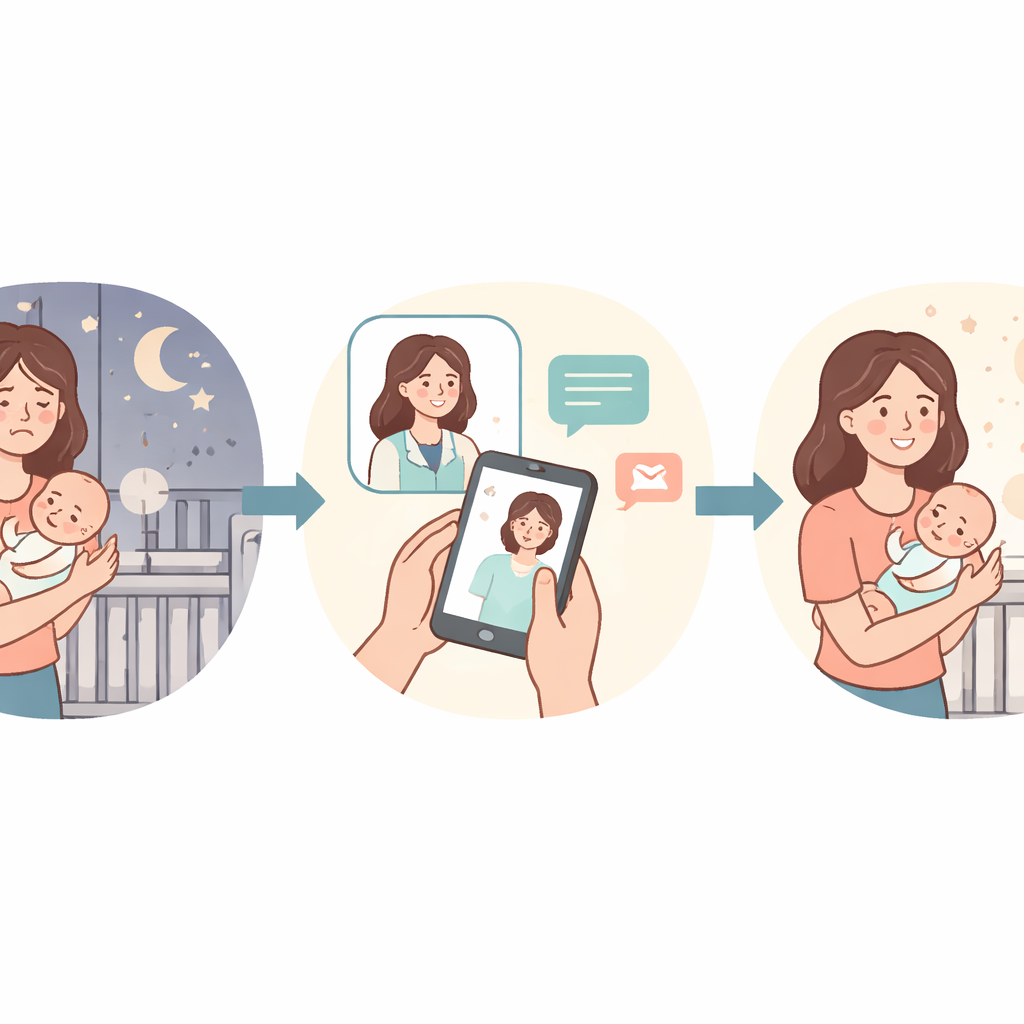
Over the course of the program, mothers reported steady improvements. Their confidence scores rose from the low-to-middle range at the start to clearly higher levels by twelve weeks, showing a moderate and statistically reliable boost. Sleep also improved: mothers’ sleep quality scores shifted in a healthier direction, indicating fewer problems such as difficulty falling asleep or staying asleep. For infants, total sleep time increased and daytime naps shortened, suggesting more night-centered rest. Mothers also reported fewer nighttime awakenings and much shorter periods of being awake with their babies during the night. The researchers note that some of these changes naturally occur as babies grow, but argue that telecare likely helped mothers understand sleep cues, build routines, and feel less anxious about normal ups and downs.
What This Means for Families and Health Systems
The study suggests that thoughtfully designed telecare can extend the warmth and guidance of postpartum centers into the home, without demanding constant in-person visits. By blending clear step-by-step information, regular video check-ins, and easy access to professional advice, the program appears to help mothers feel more capable and sleep a bit better while they navigate early parenthood. Although the research comes from one center and relies on self-reported data, it points toward a promising, scalable model. For families, this means that a smartphone or tablet could become a practical channel for ongoing, culturally tailored support during one of life’s most demanding transitions.
Citation: Lai, CY., Ho, WS., Liu, KC. et al. Effects of a maternal–infant telecare program on postpartum maternal confidence and sleep quality of mothers and infants. Sci Rep 16, 11429 (2026). https://doi.org/10.1038/s41598-026-41565-5
Keywords: postpartum care, telehealth, maternal confidence, infant sleep, digital nursing support