Clear Sky Science · en
Effects of rice bran arabinoxylan compound on quality of life of cancer patients during active treatment: a randomised placebo-controlled pilot trial
Why this matters for people living with cancer
Modern cancer treatments save lives, but they often leave people exhausted, in pain, and struggling to enjoy everyday life. This study asked a simple but important question: can a natural supplement made from rice bran help patients feel better while they are going through chemotherapy or immunotherapy? Researchers tested a specific rice bran compound to see whether it could ease symptoms and support the body’s defences, with the ultimate goal of improving quality of life during a very demanding time.
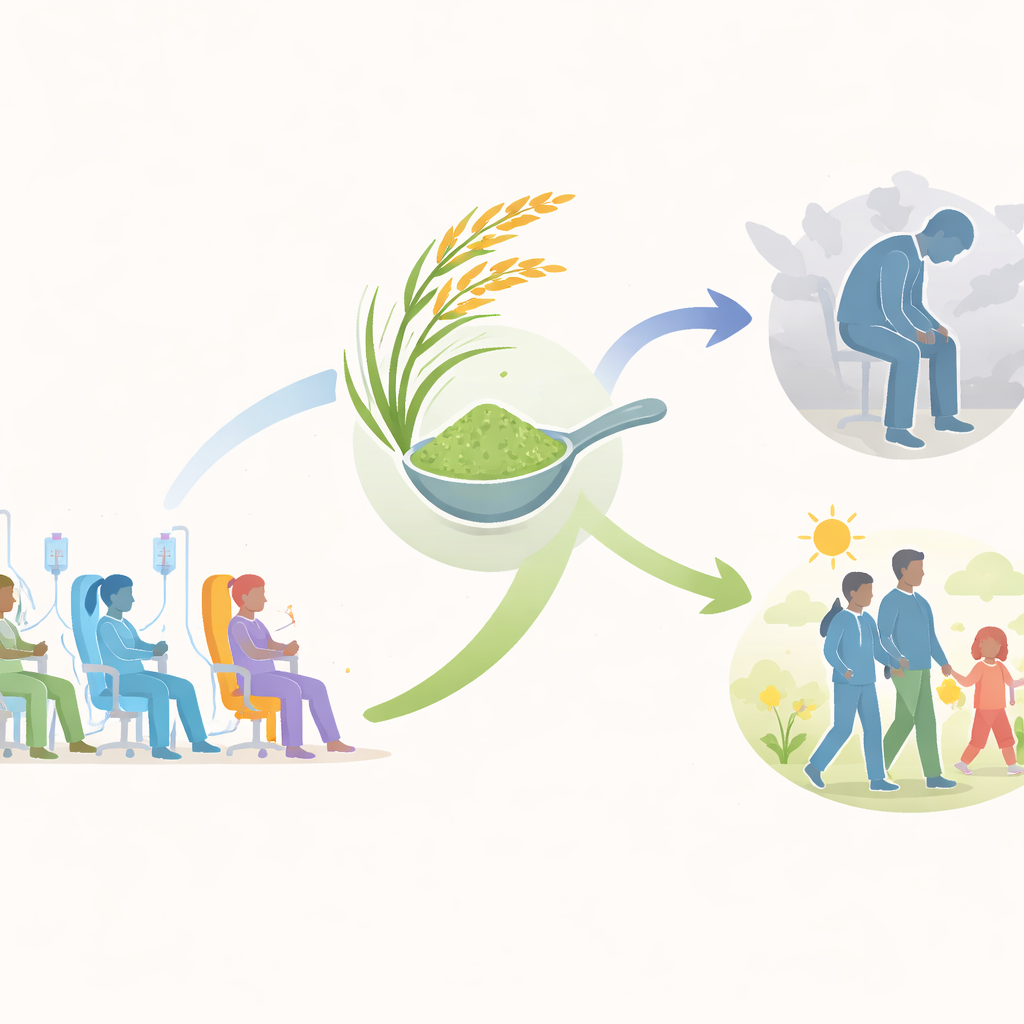
A natural helper from an everyday grain
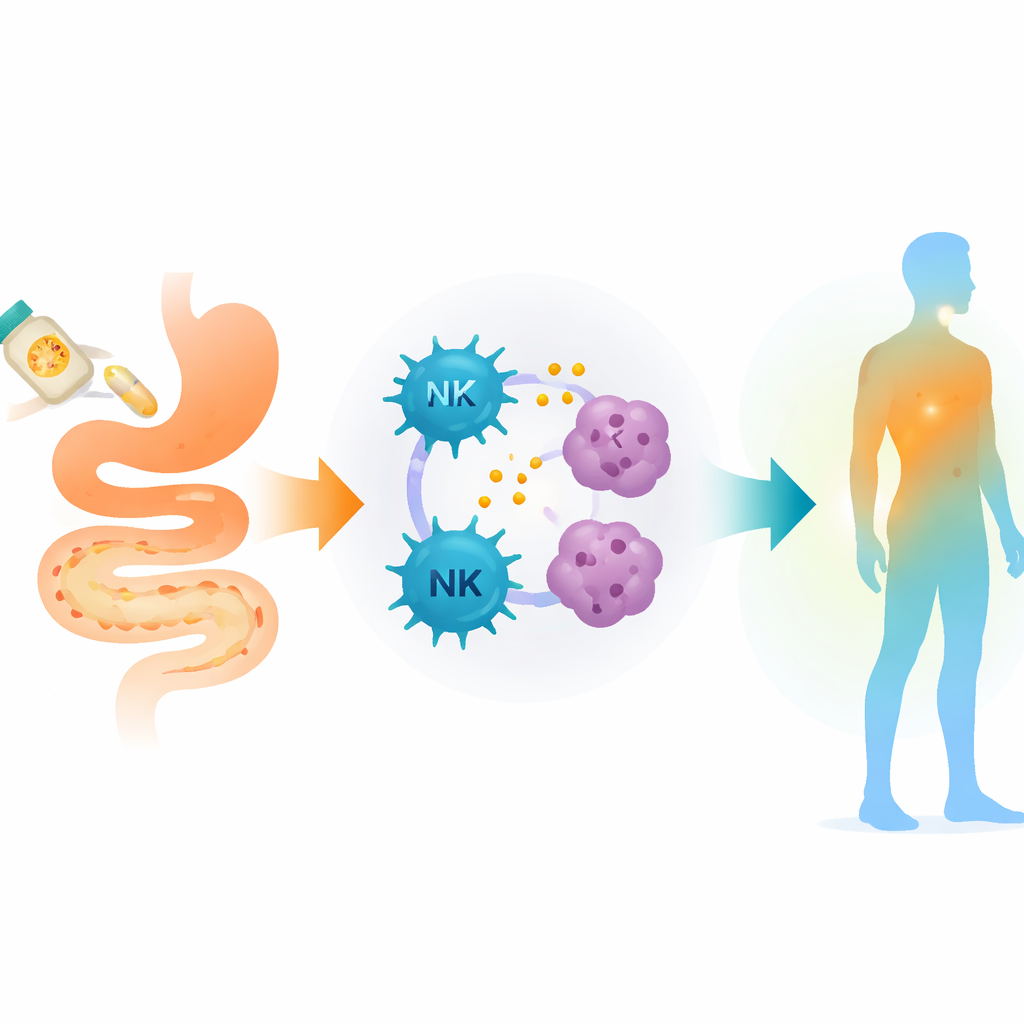
The supplement studied here is a concentrated compound extracted from rice bran, the outer layer of the rice grain. Earlier work suggested that this substance can “wake up” parts of the immune system, especially natural killer cells that help the body fight abnormal cells. Small clinical reports hinted that this rice bran compound might reduce treatment side effects and improve patients’ general wellbeing, but there had been no rigorous, placebo-controlled trials focusing specifically on quality of life. The authors designed a pilot study to fill this gap and to see whether a larger, definitive trial would be worthwhile.
How the trial was set up
The research team enrolled 29 adults in Australia who had solid-organ cancers of at least stage II and were receiving chemotherapy or immunotherapy. Participants were randomly assigned to take either the rice bran compound or a look-alike placebo powder, 3 grams per day, for 24 weeks while continuing their usual cancer treatment. Neither the patients, their oncologists, nor the study staff knew who was getting which supplement. Every six weeks, patients completed a detailed questionnaire developed by the European Organisation for Research and Treatment of Cancer, which measures overall quality of life, daily functioning, and common symptoms such as fatigue, pain, breathlessness, and appetite loss. The team also tracked body weight, basic blood chemistry, and a panel of immune signalling molecules called cytokines.
Feeling and functioning better during treatment
Patients taking the rice bran compound reported better overall quality of life than those on placebo, with differences large enough to be considered clinically meaningful. At weeks 6 and 24, their global scores were clearly higher, suggesting that they felt more able to cope with daily life during treatment. They also did better in specific areas of functioning: they were more likely to keep up with everyday roles and social activities, and there was a trend toward sharper thinking. On the symptom side, the placebo group reported more fatigue, pain, breathlessness, and appetite loss, especially in the later months. While both groups experienced the usual side effects of cancer therapy, those taking the rice bran supplement tended to report fewer and milder problems, and fewer of them dropped out of the study.
Signals from the immune system and nutrition
To explore how the supplement might work, the researchers examined blood markers related to nutrition and immunity in a subset of participants. They found that people taking the rice bran compound showed modest increases over time in certain cytokines linked to anti-tumour activity and immune regulation, as well as in total blood protein, a broad indicator of nutritional and metabolic status. These changes were small but tended to move together with better reported quality of life, hinting at a possible “immuno-nutritional” pathway: by gently tuning immune activity and helping preserve protein levels, the supplement may reduce the overall burden of treatment on the body.
What this means going forward
This was a pilot study with a relatively small and varied group of patients, so its results must be interpreted cautiously. It cannot prove that the rice bran compound will help every person with cancer, nor can it show whether such benefits might translate into longer survival. Still, the findings are encouraging: during active chemotherapy or immunotherapy, patients who took the supplement generally felt better, reported fewer troubling symptoms, and showed biological changes consistent with a more resilient immune and nutritional state. The authors conclude that this rice bran–derived compound appears safe and promising enough to justify a larger, longer trial aimed at confirming whether it can become a reliable tool for improving quality of life in cancer care.
Citation: Ooi, S.L., Micalos, P.S., Zielinski, R. et al. Effects of rice bran arabinoxylan compound on quality of life of cancer patients during active treatment: a randomised placebo-controlled pilot trial. Sci Rep 16, 11584 (2026). https://doi.org/10.1038/s41598-026-41554-8
Keywords: cancer quality of life, rice bran supplement, immunonutrition, supportive cancer care, natural immunomodulator