Clear Sky Science · en
Genome-wide identification and functional characterisation of the EDS1 gene family reveals evolutionary conservation and stress-responsive regulatory roles in barley
Why Barley’s Inner Defenses Matter
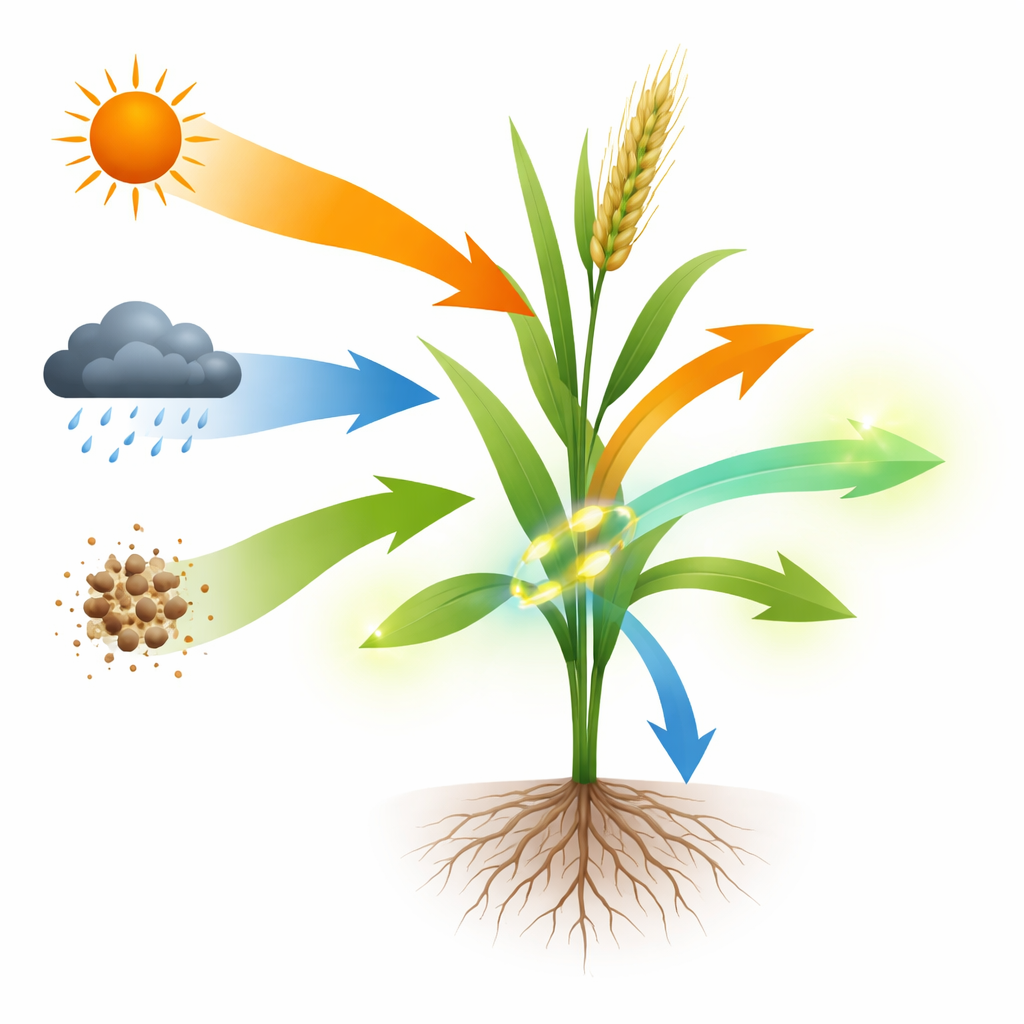
Barley is a workhorse crop for food, feed, and beer, but its yields are under growing pressure from heat, drought, salinity, and fungal diseases. This study dives into a little-known defensive toolkit inside barley, a family of genes called EDS1, which help plants sense trouble and switch on protection. By mapping these genes across the whole barley genome and probing how they behave under stress, the researchers reveal new targets that breeders and biotechnologists could use to build hardier, more reliable crops for a changing climate.
Hidden Guardians Inside Barley Cells
Plants cannot flee from danger, so they rely on built-in alarm systems. One important system centers on EDS1 genes, long studied in the lab plant Arabidopsis but poorly understood in cereals like barley. These genes help translate outside threats—invading fungi, extreme temperatures, or water stress—into changes in gene activity and metabolism. In this work, the team scanned the barley genome and identified 13 EDS1 family members, named HvEDS1 genes. Although they differ in size, charge, and predicted stability, all share key structural parts that define the EDS1 family. Computer tools suggest that these proteins sit in many parts of the cell—nucleus, chloroplasts, mitochondria, membranes, and even the cytoskeleton—hinting that they coordinate signals across multiple cell compartments.
Tracing Family Roots and Special Jobs
To understand where these genes came from and how their roles may have diverged, the researchers compared barley EDS1 proteins with those from rice and Arabidopsis. Evolutionary trees grouped them into several branches, showing both deep conservation and barley-specific offshoots. One barley gene, HvEDS1-12, consistently sat alone on a long branch, suggesting that it may have acquired a specialized function. The genes are scattered across all seven barley chromosomes, with evidence that most of them arose through dispersed duplication—copies that appeared in distant genome locations rather than in simple side-by-side clusters. A key duplicated pair shows signs of strong purifying selection, meaning nature has preserved their functions over time rather than letting them drift.
Stress Switches and Molecular Brake Pedals
The team then looked at how the barley genome might control these genes. The DNA regions in front of each HvEDS1 gene are studded with short sequence motifs that act like switches, responding to plant hormones, light, and stress signals. Many promoters carry elements tied to drought hormone (ABA), jasmonic acid (often linked to defense and wounding), and various environmental stresses such as cold or low oxygen. This layout suggests that HvEDS1 genes sit at the crossroads of several major signaling pathways. On top of this, small regulatory RNAs called microRNAs are predicted to latch onto HvEDS1 messages and cut them, especially under stress. Certain stress-responsive microRNAs target multiple members of the family, providing an extra “brake” that can fine-tune how strongly these defense hubs are turned on.
From Lipids to Defense Networks
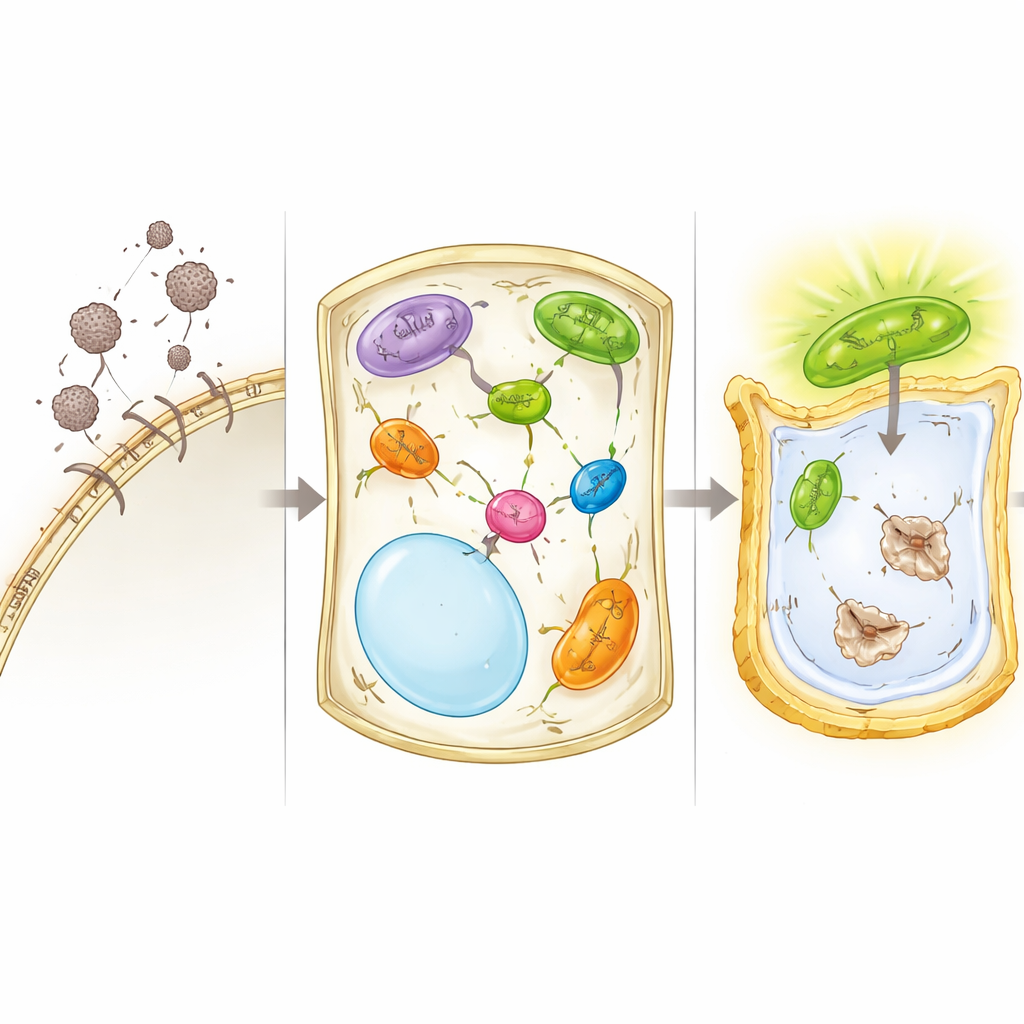
Because EDS1 proteins resemble enzymes that act on fats, the researchers asked whether barley EDS1 genes might connect to lipid-based signaling. Functional analyses linked them to pathways that remodel membrane lipids and produce fatty-acid–derived signals, including those that feed into jasmonate production, a hormone central to stress and defense. The team also used machine learning on large RNA sequencing datasets to infer which genes tend to rise and fall together with HvEDS1 members. Under normal conditions, only some HvEDS1 genes act as modest hubs, each linked to a focused set of targets involved in growth, photosynthesis, and routine metabolism. Under fungal attack, however, the network reorganizes: more HvEDS1 genes become highly connected, and they converge on genes involved in stress signaling, controlled cell death, detoxification, and protection of chloroplasts.
How Barley Rewires Itself Under Attack
Viewed together, these results suggest that barley’s EDS1 family serves as a flexible control panel. In good times, EDS1 genes quietly help manage day-to-day processes with relatively little overlap, supporting growth and cellular balance. When fungal pathogens strike, the same family snaps into a different mode: multiple members switch on in parallel and share many targets, creating a dense, overlapping safety net that is harder to knock out. This shift from a lean, specialized network to a robust, redundant one helps barley rapidly redirect energy from growth to survival. For plant breeders and molecular engineers, the HvEDS1 genes stand out as promising levers to enhance disease resistance and stress tolerance. With experimental follow-up, they could become key ingredients in future barley varieties that stay productive even as environmental challenges intensify.
Citation: Panahi, B., Hamid, R., Ghorbanzadeh, Z. et al. Genome-wide identification and functional characterisation of the EDS1 gene family reveals evolutionary conservation and stress-responsive regulatory roles in barley. Sci Rep 16, 11832 (2026). https://doi.org/10.1038/s41598-026-41481-8
Keywords: barley immunity, EDS1 genes, plant stress tolerance, disease-resistant crops, gene regulatory networks