Clear Sky Science · en
A cross-sectional path analysis of the social determinants of STI preventive behaviors: application of the WHO framework
Why Everyday Life Shapes Infection Risk
Sexually transmitted infections (STIs) are often discussed in terms of biology and medicine, but this study asks a more human question: how do women’s everyday circumstances—education, family life, culture, and the information they can access—shape their ability to protect themselves? Focusing on married women in Tehran, Iran, the researchers used a World Health Organization framework to map how social forces ripple through knowledge and beliefs to influence real-life preventive behaviors, such as seeking testing or negotiating protection with a partner.
Looking Beyond Individual Choices
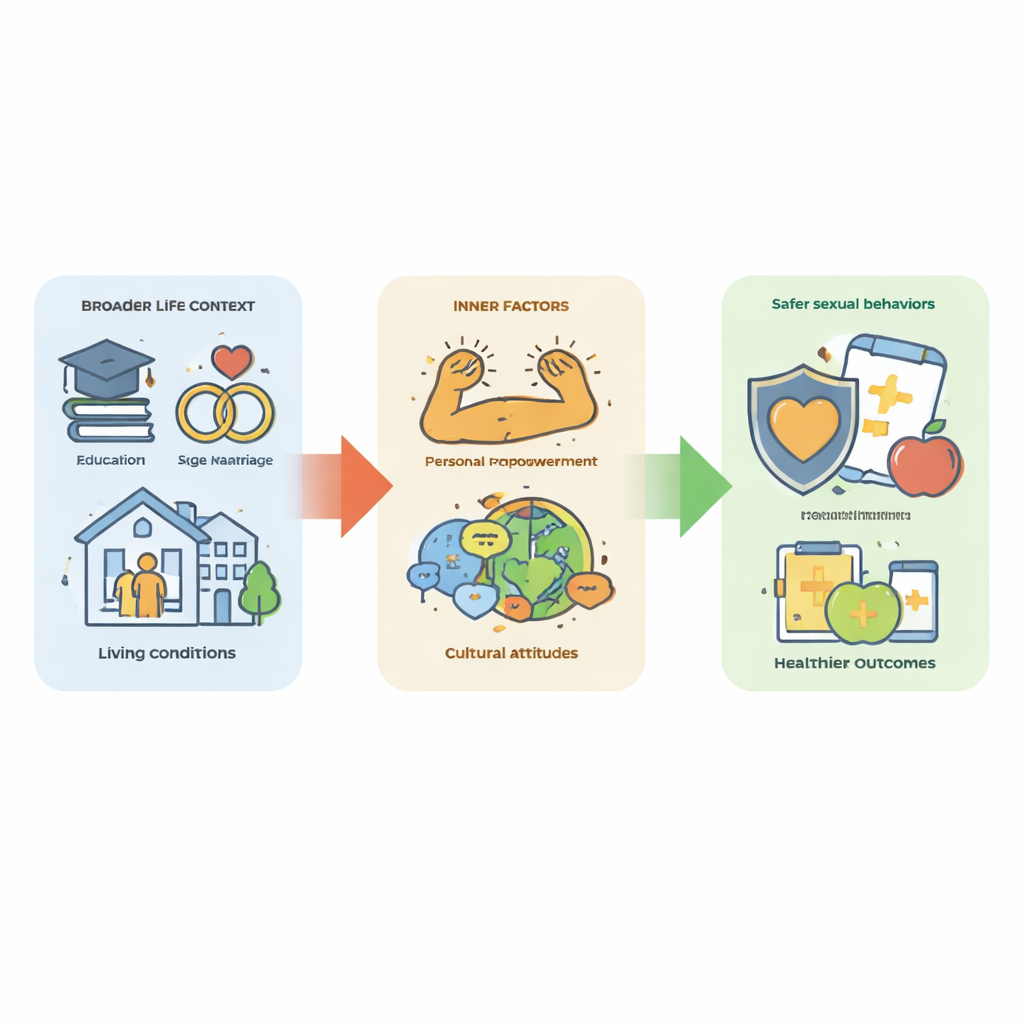
Instead of treating STI prevention as a matter of personal willpower alone, the team followed the World Health Organization’s “social determinants of health” approach. This framework distinguishes between broad structural factors—like how long someone stays in school, when they marry, and their living conditions—and more immediate influences, such as what they know about sexual health, how safe they feel in their relationships, and how their culture views sexual topics. The researchers wanted to see how these layers interconnect: do education and economic position work mainly by shaping women’s knowledge and confidence, or do they act directly on behavior?
How the Study Was Carried Out
The study surveyed 384 married women between 18 and 45 years old who attended public health centers in Tehran in 2025. Using standardized questionnaires, the team gathered information on social and economic background, age at marriage, family size, experience of sexual violence, and attitudes toward sexual behavior. They also measured sexual health literacy—how well women can find, understand, and use information about sexual health—and a detailed score of STI preventive behaviors that covered knowledge, sense of personal risk, confidence in taking protective steps, and intentions to act safely. Advanced statistical modeling allowed the researchers to test how these pieces fit together within one coherent map of cause and effect.
What Mattered Most for Protection
The results showed that preventive behaviors were far from ideal overall, leaving room for improvement. Among all the factors considered, sexual health literacy stood out as the strongest direct predictor of safer behavior: women who were better able to access and apply sexual health information were much more likely to take protective steps. Marrying at an older age also showed a positive link with prevention, suggesting that women who delay marriage may gain more autonomy, education, and decision-making power. Education level itself was important mainly in an indirect way, feeding into better literacy and related skills rather than changing behavior on its own.
When Culture Makes Protection Harder
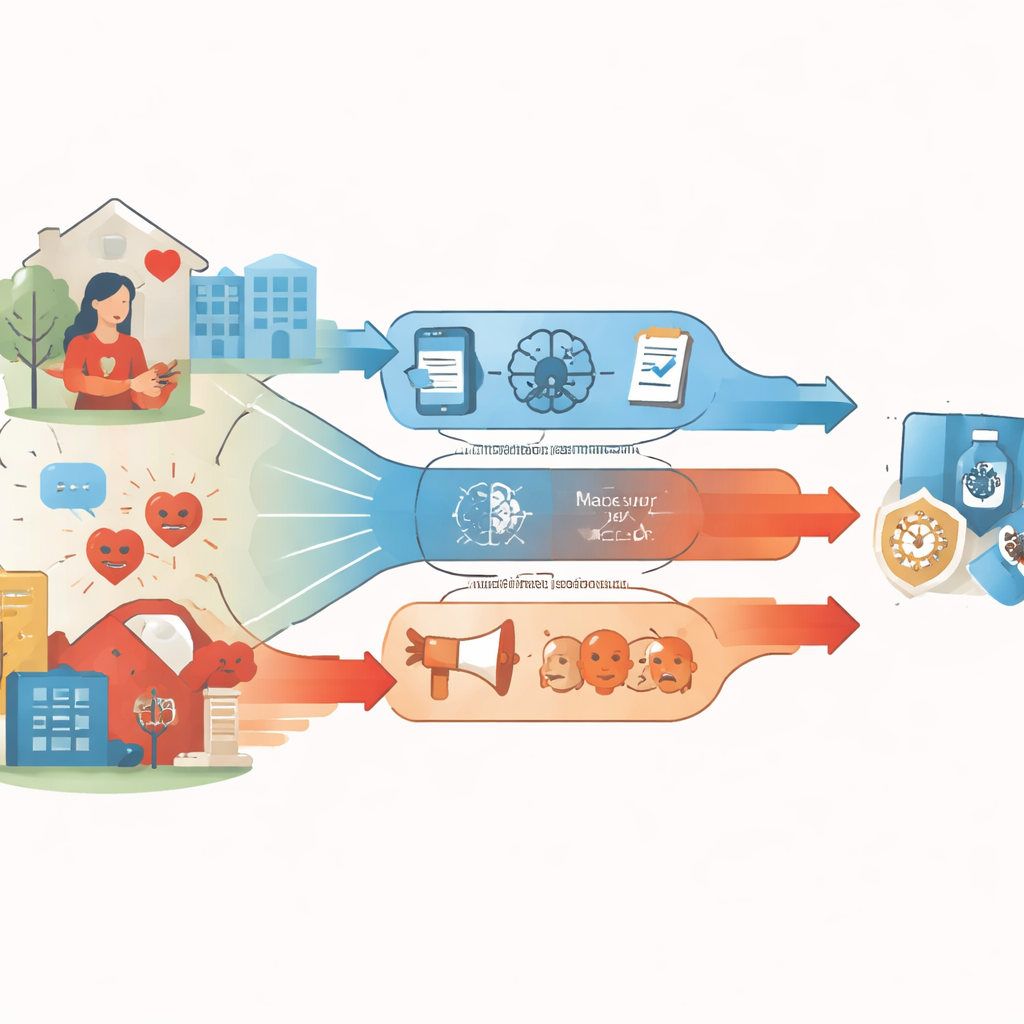
On the other hand, restrictive cultural attitudes toward sex—such as strong taboos around discussion, traditional gender expectations, and stigma surrounding STIs—were clearly linked to poorer preventive behaviors. These attitudes can make it harder for women to ask questions, seek testing, or insist on condom use, especially within marriage. In this sample, economic status, number of family members, and reported sexual violence did not show straightforward connections to prevention once other factors were taken into account. The authors caution, however, that these influences may still act in complex, indirect ways, and that underreporting of violence and stigma could blur their true impact.
What This Means for Public Health Efforts
For a layperson, the bottom line is that knowledge and culture powerfully shape how women protect themselves from STIs. This study concludes that the most effective interventions are likely to be those that boost sexual health literacy—helping women find trustworthy information, understand their options, and translate that understanding into action—while also softening harmful taboos and involving families and communities. Rather than focusing only on broad economic change, targeted, culturally sensitive education delivered through everyday health services may offer the most direct route to safer sexual lives and fewer infections.
Citation: Vakili, F., Masoumi, M., Valiey, F. et al. A cross-sectional path analysis of the social determinants of STI preventive behaviors: application of the WHO framework. Sci Rep 16, 11152 (2026). https://doi.org/10.1038/s41598-026-41367-9
Keywords: sexual health literacy, sexually transmitted infections, women’s health, cultural attitudes, preventive behaviors