Clear Sky Science · en
Machine learning framework for multidimensional assessment of urban quality of life
Why city life is more than money
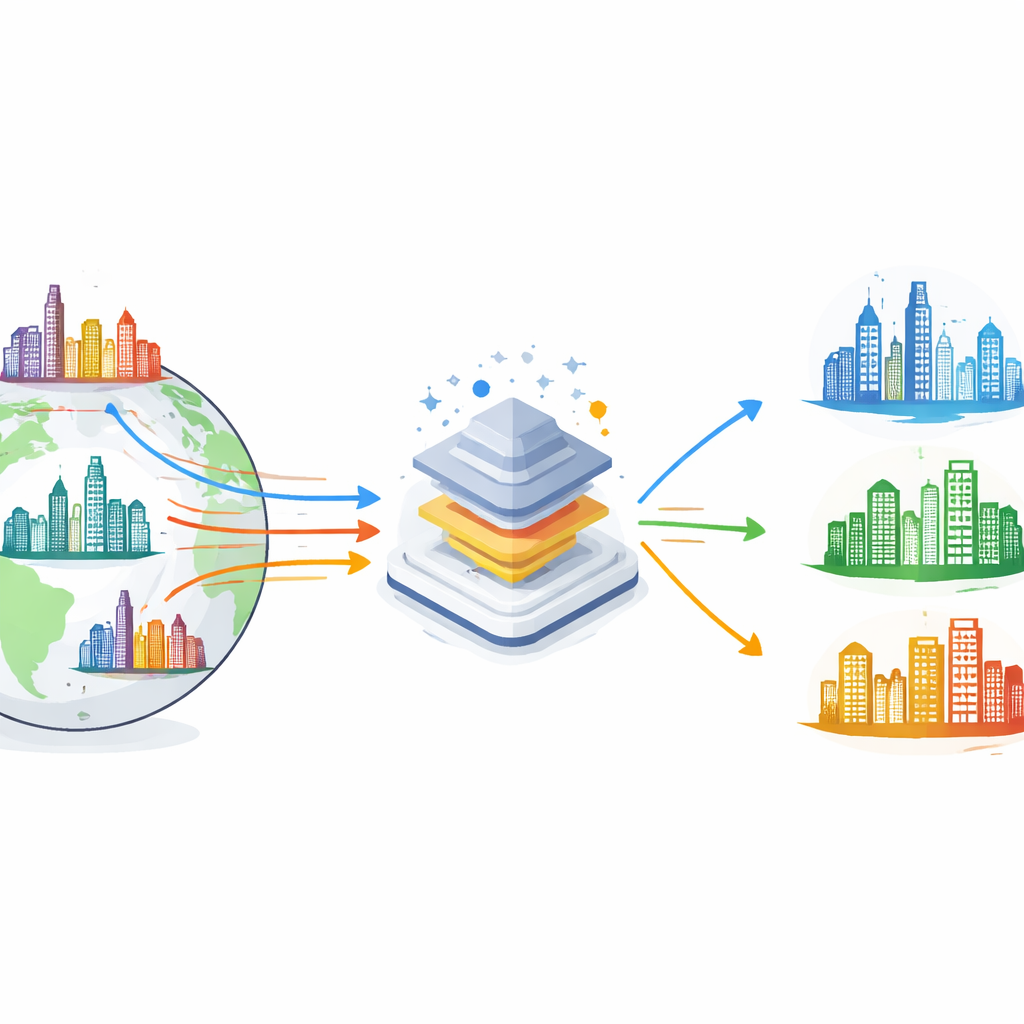
When we think about a “good” city to live in, we often reach for simple numbers like average income or house prices. But everyday life is shaped just as much by safety, clean air, public transport, health care, and even how secure we feel about the future. This study looks at 99 of the world’s most developed cities and asks: if we consider many of these ingredients at once, can we discover hidden patterns that explain why some places feel more livable than others—and how city leaders might learn from one another?
Looking at cities through many lenses
The researchers start from a long-running debate: should quality of life be judged mainly by hard facts like income and schooling, by how well people can satisfy their preferences, or by their day-to-day feelings of safety, comfort, and satisfaction? Instead of choosing one camp, the team deliberately combines all three. They draw on formal global “livability” rankings as well as crowdsourced ratings from city residents. Their data include eleven kinds of measures, grouped into four broad areas: money-related factors like cost of living, rent, grocery prices, and purchasing power; social factors such as education, health care, safety, and political stability; infrastructure such as transport and utilities; and environmental conditions like pollution and cleanliness, plus city size.
Teaching computers to spot city families
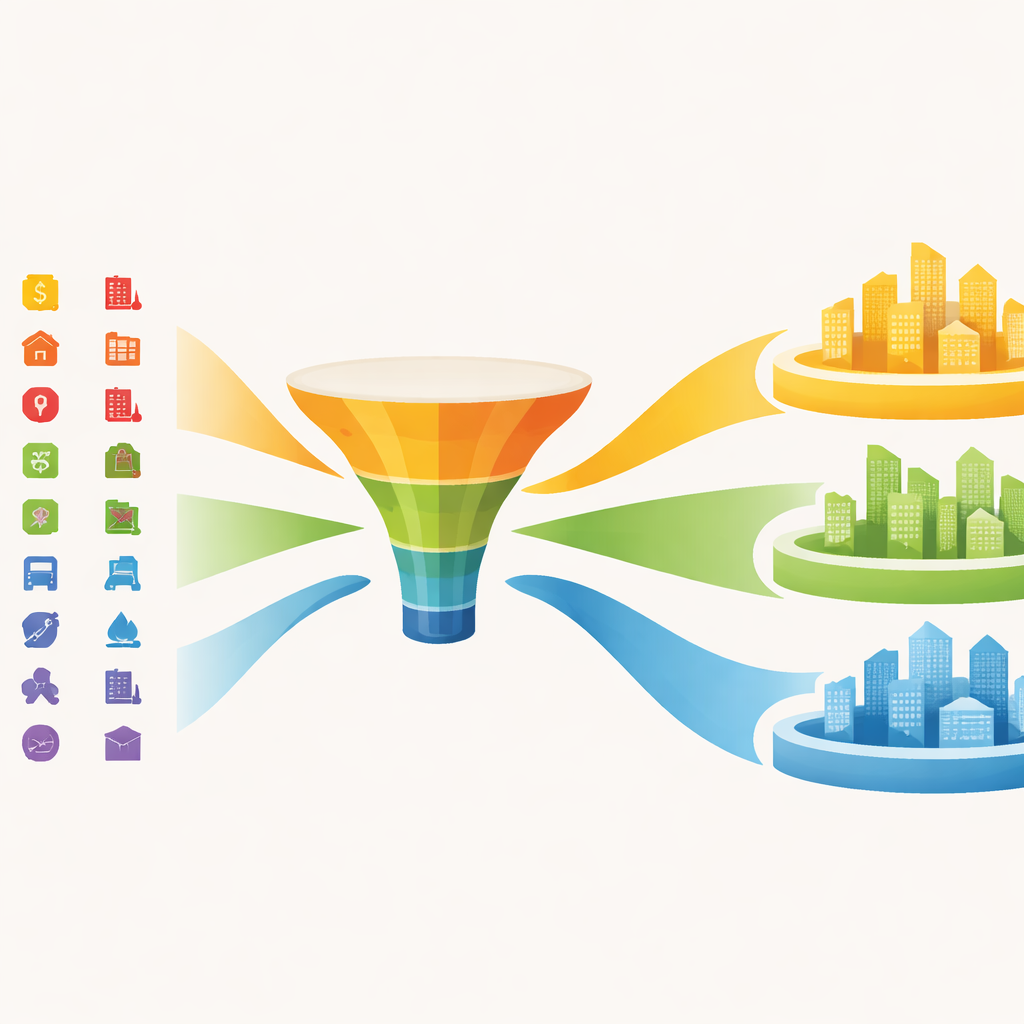
Because many of these measures move together—for example, cities with expensive groceries usually also have high overall living costs—the authors use statistical and machine learning tools to untangle the mess. They first standardize all numbers so cities can be fairly compared, then feed them into a technique called principal component analysis, which compresses the eleven indicators into three blended “dimensions.” One dimension reflects classic markers of development such as strong schools, hospitals, and buying power (what the authors call a “normative” view). A second captures how city life actually feels, combining safety, stability, and infrastructure into an “individual experience” dimension. The third links population and environmental quality into a “human ecology” dimension, highlighting how well a city balances growth with a healthy environment.
Three kinds of successful cities
With these three dimensions in hand, the team then uses a clustering method to see which cities resemble each other overall. The computer settles on three distinct groups. The first cluster gathers wealthy North American, European, and Asian cities such as Vienna, Tokyo, and San Francisco. These places shine on traditional quality-of-life scores but fare surprisingly poorly on lived experience and environmental balance, often mixing high costs, crowded conditions, and weaker everyday safety or cleanliness than their wealth might suggest. The second cluster includes many European and a handful of Gulf and East Asian cities such as Copenhagen, Abu Dhabi, and Taipei. These cities achieve a more balanced profile: solid economic performance coupled with strong safety, good infrastructure, and relatively better environmental conditions.
Rising cities and hidden strengths
The third cluster is made up mostly of large cities in emerging economies across Asia, Africa, and Latin America, including Mumbai, Nairobi, and São Paulo. On conventional measures like income, education, and health spending, these places lag behind the first two clusters. Yet the analysis reveals underappreciated strengths: moderate scores on experiential and ecological dimensions suggest that some of these cities offer better everyday safety or environmental quality than their income levels alone would predict, or at least manage population pressures more effectively than expected. To understand which ingredients most strongly separate the clusters, the authors train decision-tree and boosting models—simple forms of artificial intelligence. These models highlight political stability as the main divider, followed by education, environmental quality, rent levels, and infrastructure, pointing to leverage points where policy can make the biggest difference.
What this means for people and policymakers
For non-specialists, the core message is that city well-being cannot be reduced to paychecks or gross domestic product. Some high-income cities still struggle to deliver safe, pleasant, and environmentally healthy daily life, while some lower-income giants manage surprising strengths in those areas. By grouping cities with similar profiles, the study offers a roadmap for “sister city” learning: places in the same cluster can share strategies for common challenges, and those in different clusters can study how others achieved better balance between money, services, safety, and the environment. Ultimately, the authors argue that future urban planning should use such multidimensional tools to move beyond growth-at-all-costs and instead aim for cities where prosperity, everyday experience, and ecological health rise together.
Citation: Ahmed, A.A.A., Abdelghafur, Y., Ahmed, Y. et al. Machine learning framework for multidimensional assessment of urban quality of life. Sci Rep 16, 12568 (2026). https://doi.org/10.1038/s41598-026-41350-4
Keywords: urban quality of life, city clusters, machine learning, livability indices, urban policy