Clear Sky Science · en
Motivation and family background as dual factors in student cross-border e-commerce success among Chinese vocational college students
Why this matters for young online sellers
As more young people dream of running their own online shops that sell directly to customers overseas, a key question looms: who is truly ready to succeed, and why do some student ventures thrive while others collapse under debt and stress? This study looks at Chinese vocational college students entering cross-border e-commerce and reveals that personal skills and inner drive matter more than having a family business behind you. For anyone interested in digital entrepreneurship, it offers clues about which strengths really count in this fast-moving global marketplace.
The rise of student online entrepreneurs
Cross-border e-commerce lets small sellers in China reach buyers around the world using digital platforms instead of traditional export channels. Low start-up costs, flexible work routines, and access to huge overseas markets make it especially attractive to students and recent graduates with limited funds but strong digital habits. Chinese vocational colleges have embraced this trend, building programs that mix international trade, online marketing, and foreign language training, and backing students with incubation centers and policy support. Yet the global environment has grown more hostile and uncertain, with new tariffs on Chinese goods, rising costs, and some companies retreating from the U.S. market altogether. In such a risky setting, failed student ventures can leave behind financial losses, family conflict, emotional distress, and damaged career prospects.

What the researchers set out to learn
To understand who is best positioned to succeed, the authors examined three ingredients often used to explain performance: ability, motivation, and opportunity. In this study, “ability” meant cross-cultural competence—the mix of skills and knowledge needed to deal with foreign customers, from language and cultural understanding to workplace behavior and platform know-how. “Motivation” captured students’ inner drive to work through setbacks and uncertainty. “Opportunity” was represented by family business ownership, which can offer money, contacts, and ready-made supply chains. The researchers surveyed 592 students from ten Chinese institutions enrolled in cross-border e-commerce–related programs, then used advanced statistical modeling to see how these factors interacted to shape business performance.
Skills at the core of online success
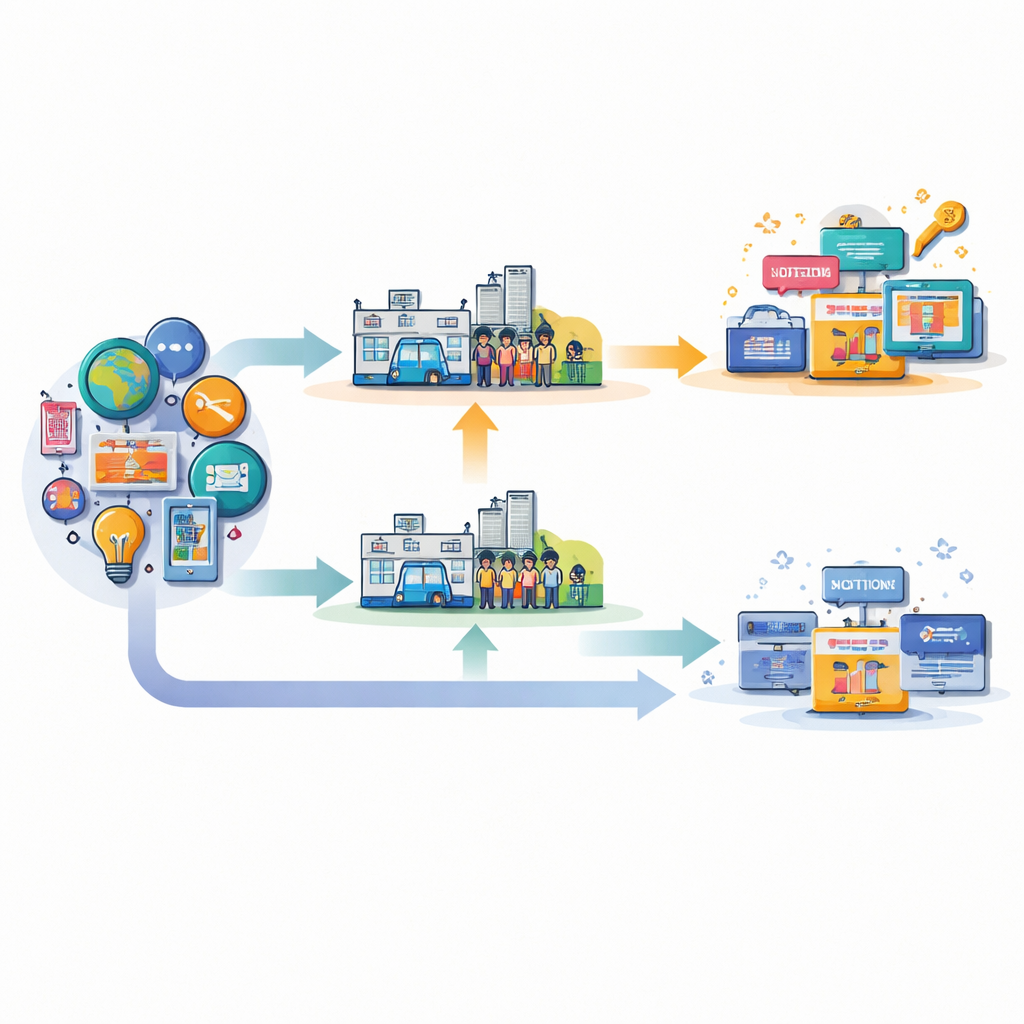
The findings show that cross-cultural competence is the backbone of student success in cross-border e-commerce. Students who understood foreign cultures, could use English effectively, handled workplace tasks smoothly, and knew the nuts and bolts of online platforms performed better in their ventures. One part of this skill set—hands-on e-commerce expertise—stood out as especially powerful. In other words, being able to navigate marketplace rules, algorithms, and digital marketing tools is not just helpful; it is central. Overall, the model suggested that these combined abilities explained a large share of why some students’ online businesses did well while others lagged.
Drive helps; family backing can quietly weaken skills
Beyond raw skill, inner drive made a clear difference. For students with similar levels of cross-cultural ability, those who were more motivated translated their skills into stronger performance. Motivation acted like a spark that turned potential into real results, encouraging students to apply their knowledge more actively and persist when markets or rules shifted. Surprisingly, the role of family business background was more complicated. While students from entrepreneurial families had access to extra resources, this background actually weakened the link between personal skills and outcomes. When family contacts, capital, or factories were readily available, students could lean on those advantages instead of fully developing and using their own cross-cultural abilities, creating a subtle trade-off between inherited support and personal competence.
What this means for educators and future founders
For teachers, policymakers, and students themselves, the lesson is clear: in cross-border e-commerce, the safest long-term bet is to build strong international skills and genuine personal drive, not to rely on family connections alone. The study suggests that training programs should emphasize real-world platform practice, cultural communication, and experiences that boost students’ confidence and persistence—such as competitive projects, mentorship, and international collaboration. Students without family business support can take heart that their abilities and motivation are powerful equalizers, while those with family backing are reminded that true resilience comes from mastering their craft, not just tapping into existing networks.
Citation: Song, Z., Sahid, S., Kaharudin, I.H. et al. Motivation and family background as dual factors in student cross-border e-commerce success among Chinese vocational college students. Sci Rep 16, 10146 (2026). https://doi.org/10.1038/s41598-026-41301-z
Keywords: cross-border e-commerce, student entrepreneurship, motivation, family business, vocational education