Clear Sky Science · en
First experimental insights into the ex situ cultivation of Seseli Resinosum in vertical gardens
Why Saving a Cliff-Dwelling Plant Matters
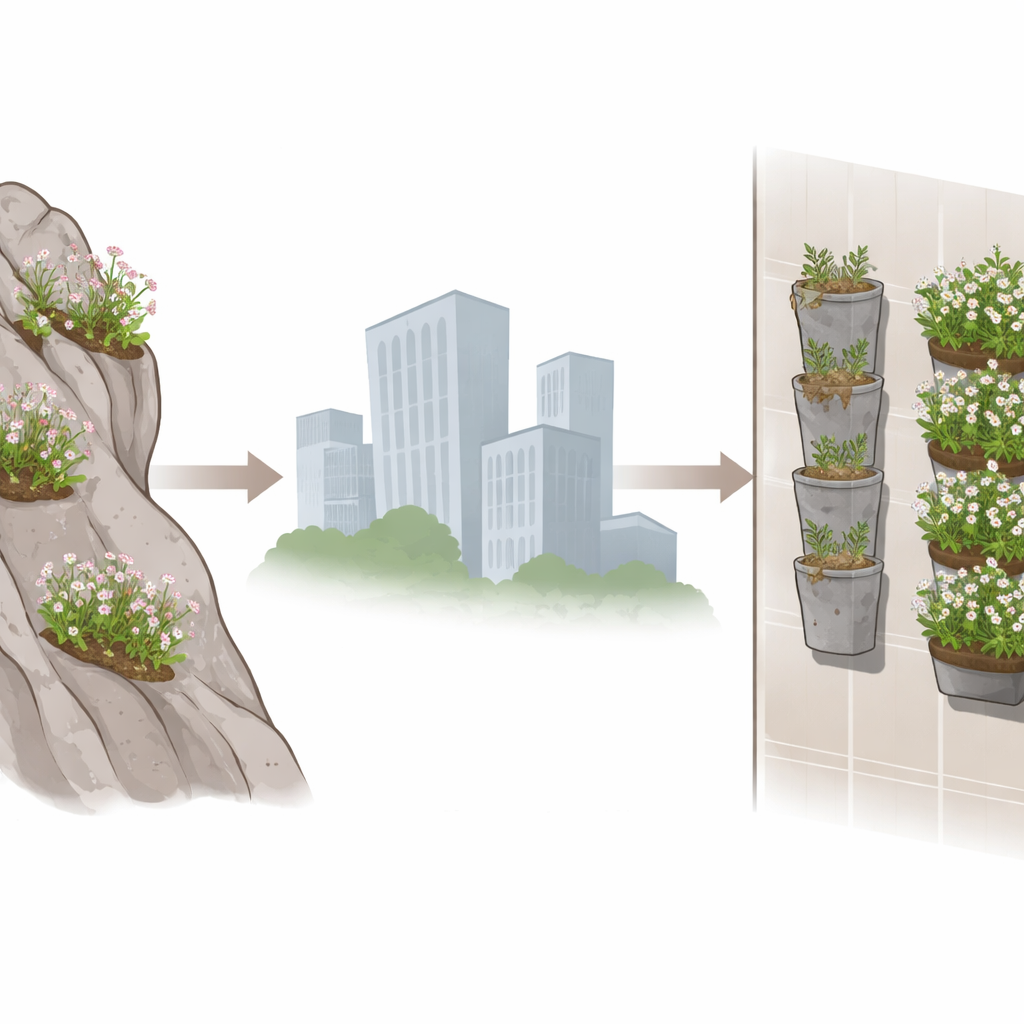
Biodiversity is shrinking worldwide, and many species at risk are plants that exist only in tiny corners of the map. This study follows one such plant, Seseli resinosum, which grows naturally on steep rocky slopes in Türkiye. The researchers asked a timely question: can we use vertical gardens on buildings not just as decoration, but as life-support systems for rare plants like this—essentially turning city walls into backup habitats?
A Rare Plant on Fragile Ground
Seseli resinosum is a local specialty of Düzce Province and nearby regions along the Black Sea. It favors harsh places: limestone cliffs, landslide-prone slopes, and very shallow, stony soils with little organic matter. In these demanding sites, it forms loose colonies among other tough species that tolerate drought, strong sun, and poor soil. Because it lives in such a narrow band of habitat, any change in land use, climate, or slope stability could threaten its long-term survival. That makes it an ideal test case for new conservation ideas outside its natural home.
Bringing the Cliff to the Wall
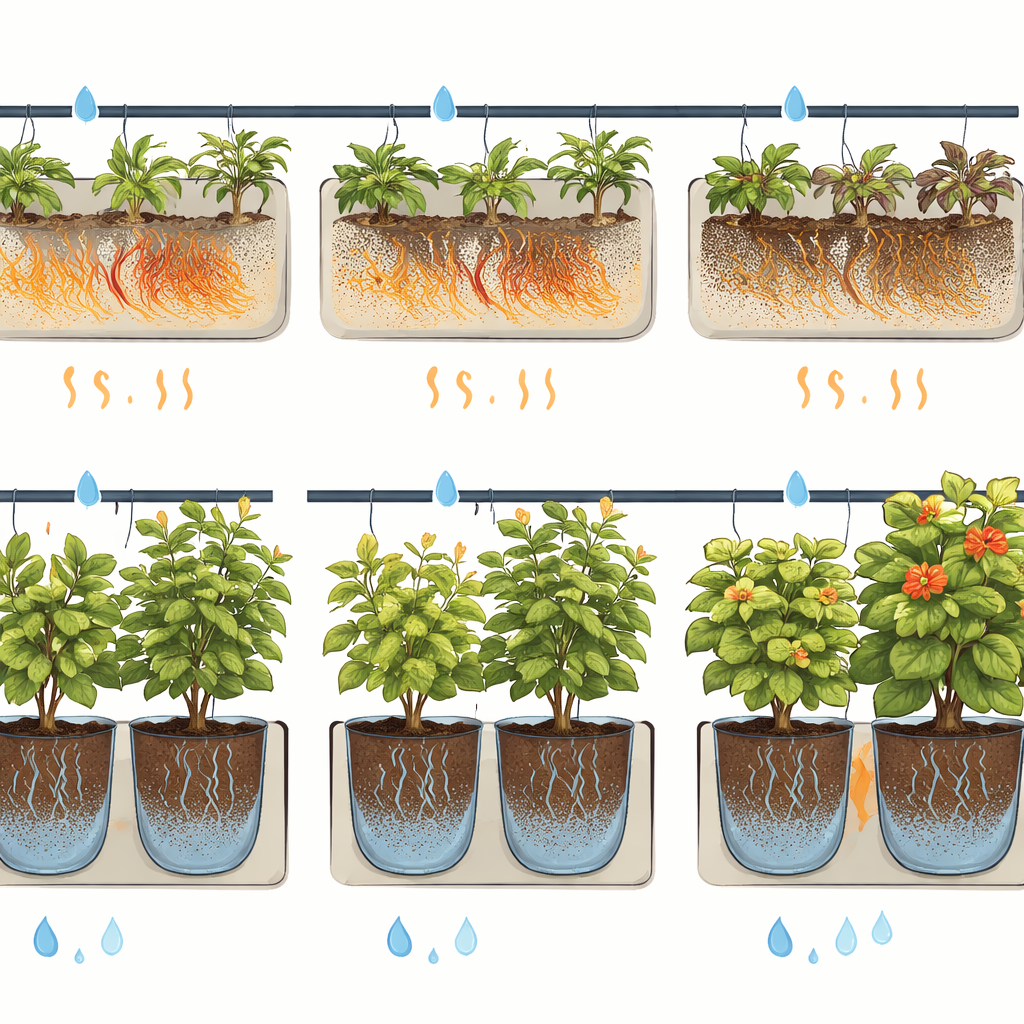
Conservation usually focuses on protecting nature where it already exists, but it increasingly relies on “insurance” populations grown elsewhere—botanic gardens, seed banks, or controlled plantings. Vertical garden systems mimic rocky environments by offering thin, well-drained growing spaces on walls. In this study, the team built two one-meter-square vertical garden modules on a building facade: one used fabric pockets (a felt-based system) and the other used small plastic containers (a modular pot-based system). Plants collected from the wild were first grown in pots under greenhouse conditions, then transplanted into each wall system using a soil mix designed to resemble their native substrate.
Testing Two Living Wall Designs
From spring through autumn, the scientists tracked light, temperature, soil moisture, and rainfall in both the natural habitat and the vertical gardens. They also followed the plants’ growth, flowering, root development, and survival. At first, during the cooler and wetter months, the felt system seemed promising: the plants spread quickly and covered more of the surface than those in pots. But as temperatures rose and dry spells lengthened, important differences emerged. The thin felt dried rapidly after each irrigation, warmed several degrees more than the pot system, and could not hold water for long. Even with more frequent watering, the plants on felt wilted and died within about three and a half months. In contrast, the pot-based system, with its deeper substrate, kept moisture and temperature more stable and supported a full growth cycle from leafing to flowering and seed production.
How the Survivors Coped
When the researchers compared plants in the pot-based wall to those left in nature, they found that the wall-grown individuals were somewhat shorter and had shallower roots, simply because the containers limited how far roots could explore. Still, the plants in pots remained healthy, produced many leaves, and completed their reproductive cycle. Flowering started a bit later and ended a bit later than in the wild, suggesting that the vertical system gently shifted the plant’s seasonal rhythm without preventing seed formation. The team also showed that Seseli resinosum shares ecological traits with other drought-tolerant species from rocky habitats, implying that carefully chosen plant combinations might make vertical gardens function even more like natural cliffs.
What This Means for City Walls and Wild Plants
To a non-specialist, the message is straightforward: not all living walls are created equal if the goal is to protect rare plants. The felt-based system, though often cheaper and visually appealing, could not provide enough water storage or temperature cushioning for this cliff-dwelling species and led to complete loss of plants. The modular pot-based system, by offering more soil volume and better moisture buffering, allowed Seseli resinosum to grow, flower, and set seed much as it does on natural rock faces. The study shows that, when carefully designed, vertical gardens on buildings can double as conservation tools—giving threatened, habitat-specific plants a new lease on life in urban spaces while easing the pressure on their fragile wild homes.
Citation: Başaran, N., Elmastaş, S. & Eroğlu, E. First experimental insights into the ex situ cultivation of Seseli Resinosum in vertical gardens. Sci Rep 16, 11290 (2026). https://doi.org/10.1038/s41598-026-41230-x
Keywords: vertical gardens, endemic plants, ex situ conservation, urban biodiversity, rocky habitats