Clear Sky Science · en
Enhancing 5-fluorouracil efficacy in colorectal cancer by inhibiting glutathione antioxidant mechanisms with an xCT inhibitor
Why this research matters for patients
Colorectal cancer is one of the most common and deadly cancers worldwide, and many patients eventually stop responding well to standard chemotherapy. This study explores a new way to make an old drug, 5-fluorouracil (5-FU), work better by weakening cancer cells’ internal defense systems, potentially allowing lower doses or more durable responses with fewer side effects.
How cancer cells protect themselves
Chemotherapy drugs like 5-FU kill cancer cells in part by triggering a burst of harmful molecules inside the cell, often called “oxidative stress.” Cancer cells, however, are not defenseless. They stockpile protective substances, especially a small molecule called glutathione, that acts like a chemical sponge to soak up this damage. High glutathione levels have been linked to aggressive tumors and resistance to treatment. The team behind this study asked a simple question: if they could dial down this internal shield, would 5-FU become more effective against colorectal cancer cells?
Testing three ways to weaken the shield
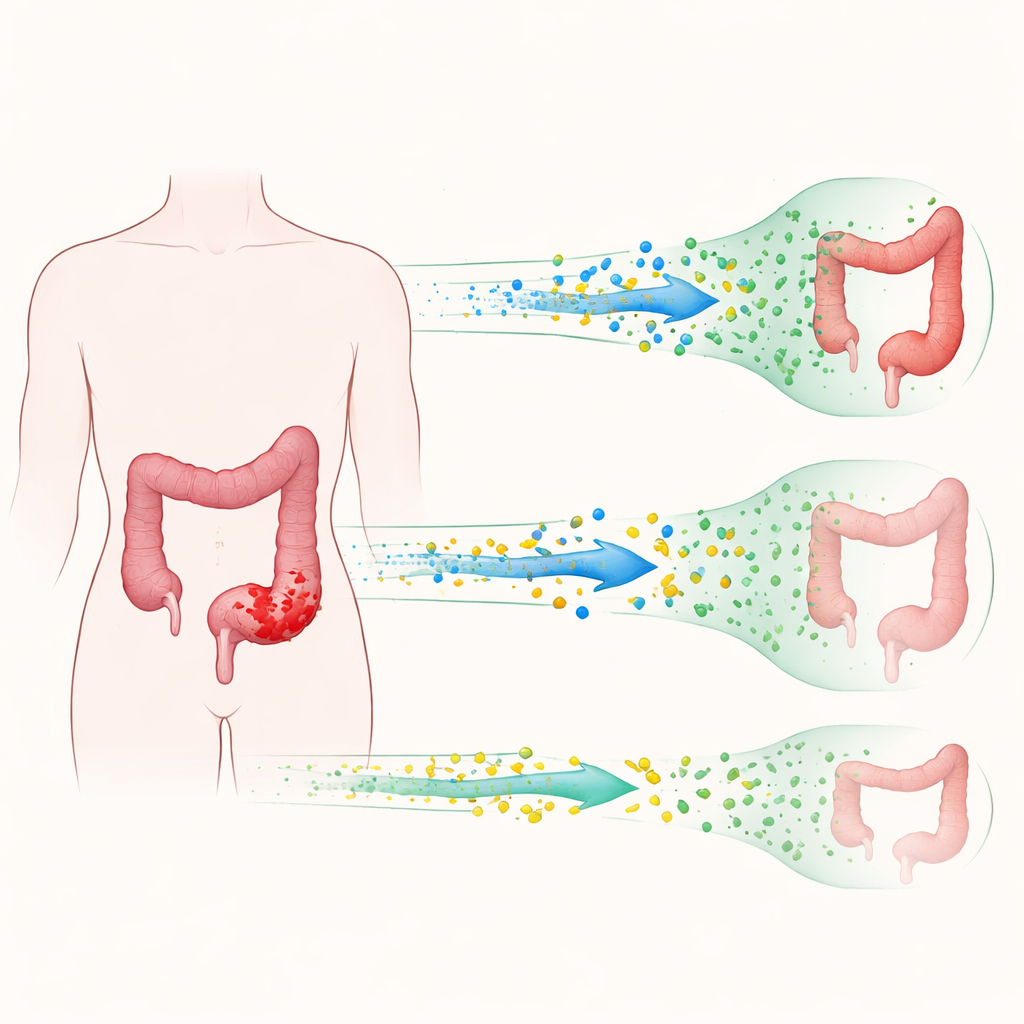
The researchers worked with human colorectal cancer cells grown in the lab and focused on three drug candidates that target different steps in the cell’s protective chemistry. One drug, CB-839, blocks an enzyme that helps supply building blocks for glutathione. A second, Polydatin, interferes with a pathway that helps recycle glutathione. The third, called IKE, blocks a transporter on the cell surface (xCT) that brings in cystine, a raw ingredient needed to make glutathione in the first place. The team measured how these drugs affected cancer cell survival, glutathione levels, and the buildup of harmful reactive molecules.
One candidate stands out
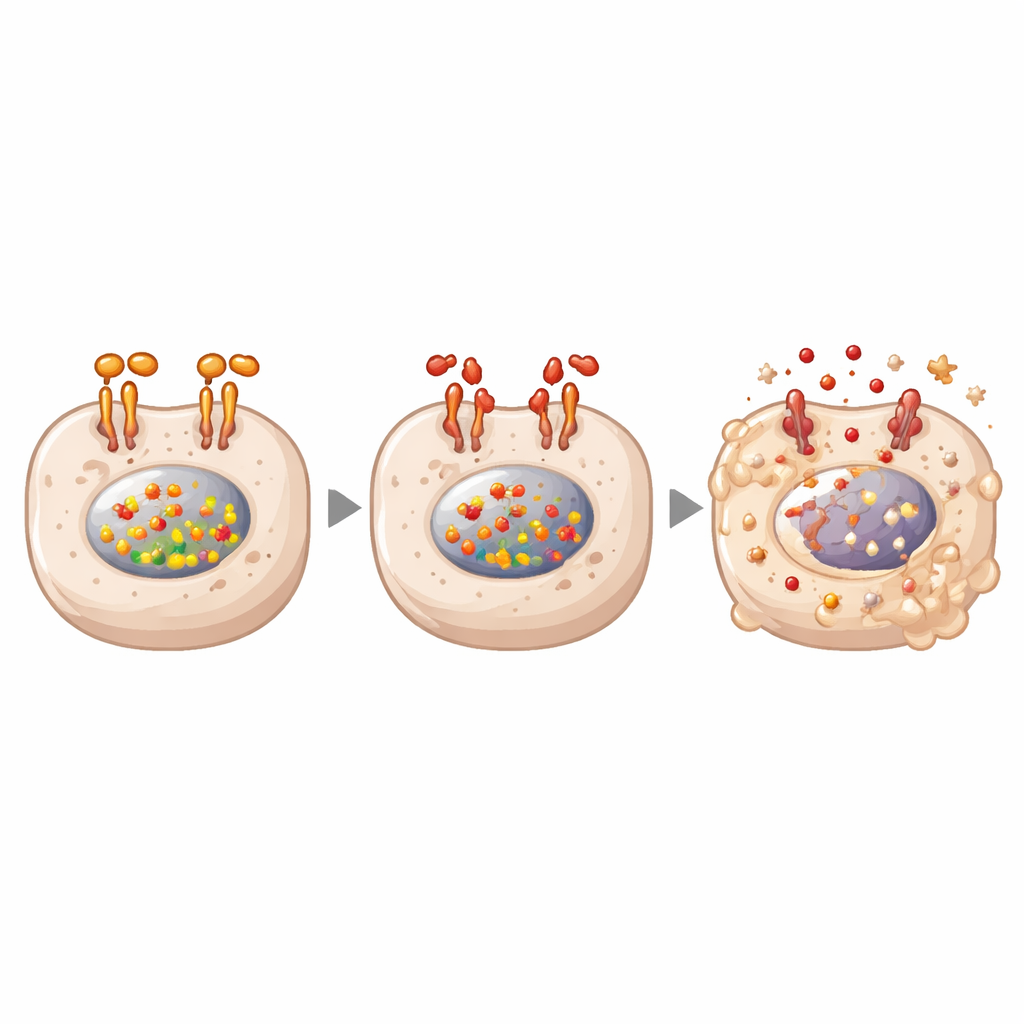
On their own, none of the three drugs caused dramatic cancer cell death, although CB-839 and IKE did reduce cell growth and lowered the amounts of glutathione inside cells. The real test came when the drugs were combined with 5-FU at a dose that kills about half of the cells. CB-839 and Polydatin did not noticeably improve 5-FU’s impact: cell survival and stress levels stayed roughly similar to treatment with 5-FU alone. In contrast, pairing IKE with 5-FU clearly tipped the balance. Cancer cells exposed to both drugs had lower survival and a much higher buildup of damaging reactive molecules compared with either drug alone, even though this combination still did not cause massive cell death in the short-term lab tests.
From dishes to living tissue
To see whether this promising combination might matter in a more realistic setting, the scientists turned to an in ovo model, in which human colorectal cancer cells are grown as small tumors on the blood-rich membrane of fertilized chicken eggs. In this living environment, 5-FU or IKE alone slowed tumor growth by about half compared to untreated tumors. When used together, however, the two drugs shrank tumor volume by roughly 85 percent, a much stronger effect than either alone. Importantly, the doses used did not harm the developing embryos, suggesting that the drug levels were well tolerated in this model.
What this means going forward
This work shows that blocking the xCT transporter with IKE can make colorectal cancer cells more vulnerable to 5-FU by limiting their ability to rebuild their antioxidant shield. While the benefit in lab-grown cells was modest, the combination had a striking impact in the living tissue model, strongly slowing tumor growth without obvious toxicity. For patients, the message is that fine-tuning how cancer cells manage internal stress may be a powerful way to boost the effectiveness of existing chemotherapy. Before this strategy can reach the clinic, researchers will need to confirm the results in additional cancer models, understand possible side effects, and explore whether combining several defenses-targeting drugs at once can yield even better outcomes.
Citation: Malcanlı, S., Akar, R.O., Ulukaya, E. et al. Enhancing 5-fluorouracil efficacy in colorectal cancer by inhibiting glutathione antioxidant mechanisms with an xCT inhibitor. Sci Rep 16, 10196 (2026). https://doi.org/10.1038/s41598-026-41179-x
Keywords: colorectal cancer, 5-fluorouracil, chemotherapy resistance, oxidative stress, glutathione