Clear Sky Science · en
Associations between cadmium uptake and leaf–root expression of candidate YSL/HMA transporters in Solanum nigrum
Why This Matters for Dirty Soils
Many farming areas and city edges hide an invisible danger: cadmium, a toxic metal that slips into soil from industry, fertilizers, and waste. Once there, it can enter crops and, ultimately, our bodies. Digging out and hauling away polluted soil is expensive and disruptive, so scientists have turned to a quieter ally—plants that naturally pull metals from the ground. This study explores how a common weed, black nightshade (Solanum nigrum), handles cadmium and asks whether it could become a practical, living tool to clean contaminated soils.
A Tough Weed in Toxic Ground
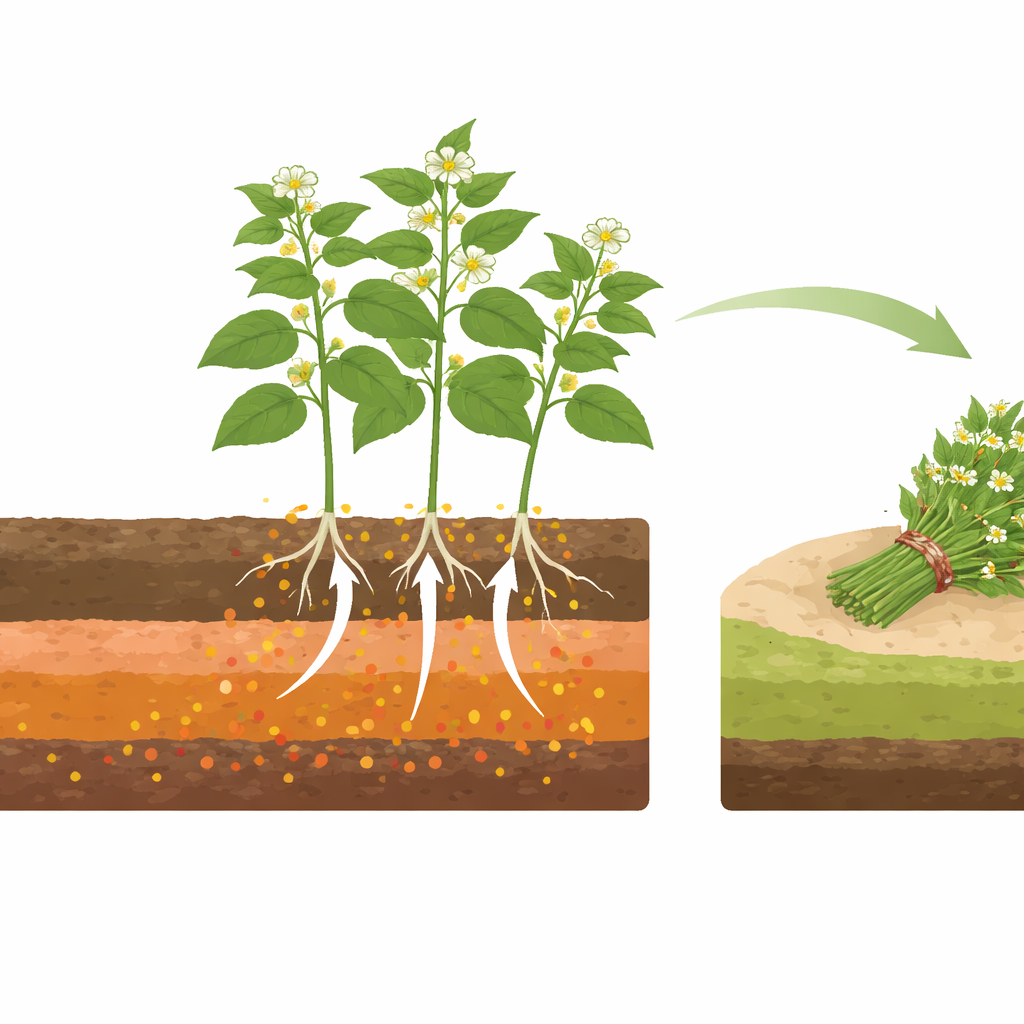
The researchers grew black nightshade in pots filled with soil containing a broad range of cadmium levels, from clean to heavily polluted. Over two weeks, they tracked how much the plants grew, how green and healthy their leaves remained, and how much cadmium ended up in roots and shoots. Even at the highest cadmium level, plants still produced 60% of their normal dry mass, and shoot length barely changed. At the same time, the shoots accumulated strikingly high cadmium concentrations—well above 100 mg per kilogram of dry weight—while moving more metal to the aboveground parts than they kept in the roots. These traits match key benchmarks for plants considered suitable for metal cleanup: they stay alive and channel the pollutant into tissues that can be harvested and removed.
How the Plant Copes with Stress
Cadmium does more than just sit in tissues; it stresses cells by generating reactive oxygen species, which can damage membranes and pigments. The team measured chemical signs of this stress in the leaves. Markers of damage, like malondialdehyde and hydrogen peroxide, climbed as cadmium increased, especially at the highest doses. Yet the plants also turned on protective responses. Classic green pigments (chlorophyll a and total chlorophyll) dipped only at the top dose, while orange and yellow carotenoids—pigments that help shield the photosynthetic machinery—rose by about 70%. Small protective molecules, including proline and other soluble compounds, increased several-fold, suggesting that the plant was actively buffering water balance and detoxifying reactive byproducts rather than passively succumbing to injury.
Hidden Machinery: Metal Pumps and Carriers
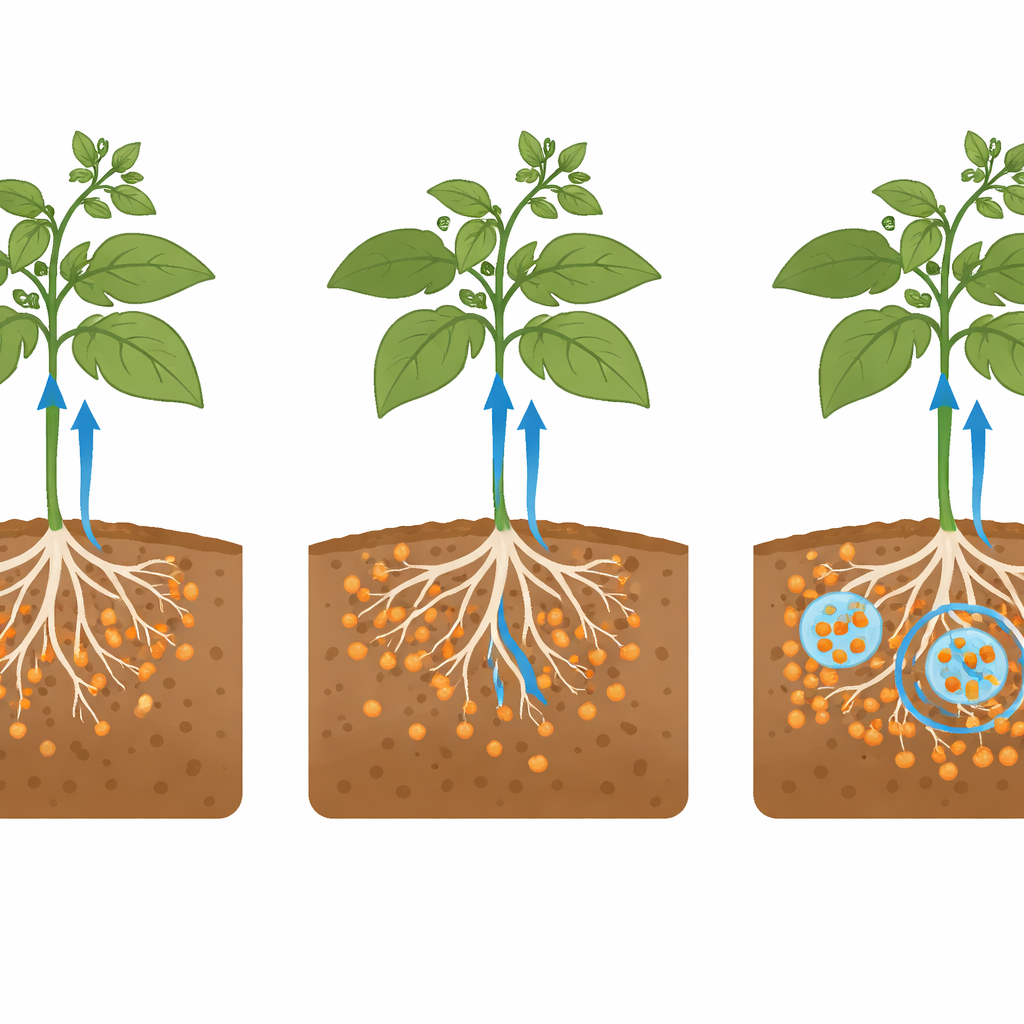
To look under the hood, the scientists examined activity of three key genes in the leaves. One gene drives production of proline, matching the strong rise in this protective molecule as cadmium climbed. Two others are linked to how metals move and are stored. One, a YSL-type transporter, is thought to help shuttle cadmium complexes through plant tissues, while another, an HMA-type pump, is associated with locking metals away inside internal storage compartments. The YSL gene was most strongly switched on at moderate cadmium levels, the same range where root-to-shoot movement of cadmium was highest. At the most extreme cadmium level, the YSL signal tapered, while the HMA gene surged. This pattern hints that the plant first favors moving cadmium into shoots, then gradually shifts toward a more defensive mode that emphasizes safe storage when the load becomes overwhelming.
Reading the Whole-Plant Pattern
By combining growth, chemistry, and gene activity into multivariate analyses, the researchers showed that plant responses reorganize in a coordinated way as cadmium rises. At low to moderate contamination, growth and leaf greenness remain relatively strong while transport-related traits dominate, supporting rapid extraction of cadmium into harvestable shoots. At high levels, stress markers and protective compounds cluster together with the storage-related gene, reflecting a pivot to survival and detoxification. Importantly, when the scientists accounted for how much cadmium in soil was actually available for plant uptake, black nightshade still drew disproportionately large amounts into its tissues, confirming it as an efficient extractor rather than just a passive accumulator.
What This Means for Cleaning Soils
In plain terms, this weed behaves like a flexible clean-up tool. Under moderate pollution, it moves cadmium quickly from soil to leaves and stems that can be cut and carried away. Under heavier pollution, it shifts toward locking the metal into safer internal stores while still staying alive. The study does not yet prove exactly how each gene works in roots or in the field, but it lays out a clear map linking soil contamination, plant health, metal uptake, and internal handling. That map can guide future breeding and field trials aimed at turning black nightshade into a reliable, bio-based option for reducing cadmium risks in real-world soils.
Citation: Norouzi, R., Baghizadeh, A., Abbaspour, H. et al. Associations between cadmium uptake and leaf–root expression of candidate YSL/HMA transporters in Solanum nigrum. Sci Rep 16, 10062 (2026). https://doi.org/10.1038/s41598-026-41163-5
Keywords: cadmium pollution, phytoremediation, Solanum nigrum, metal-accumulating plants, soil contamination