Clear Sky Science · en
Machine learning-based prediction of primary aldosteronism subtype using comprehensive clinical features
Why this matters for people with high blood pressure
Many people with high blood pressure actually have a hidden hormone problem called primary aldosteronism, where the adrenal glands make too much of the salt‑retaining hormone aldosterone. Some of these patients can be cured with surgery, while others need lifelong medicines. Today, telling these two groups apart usually requires an invasive hospital procedure that is available only in specialized centers. This study explores whether computers trained on routine test results can reliably sort patients into “surgery likely” or “medicines only” groups, potentially making care safer, faster, and more widely accessible.
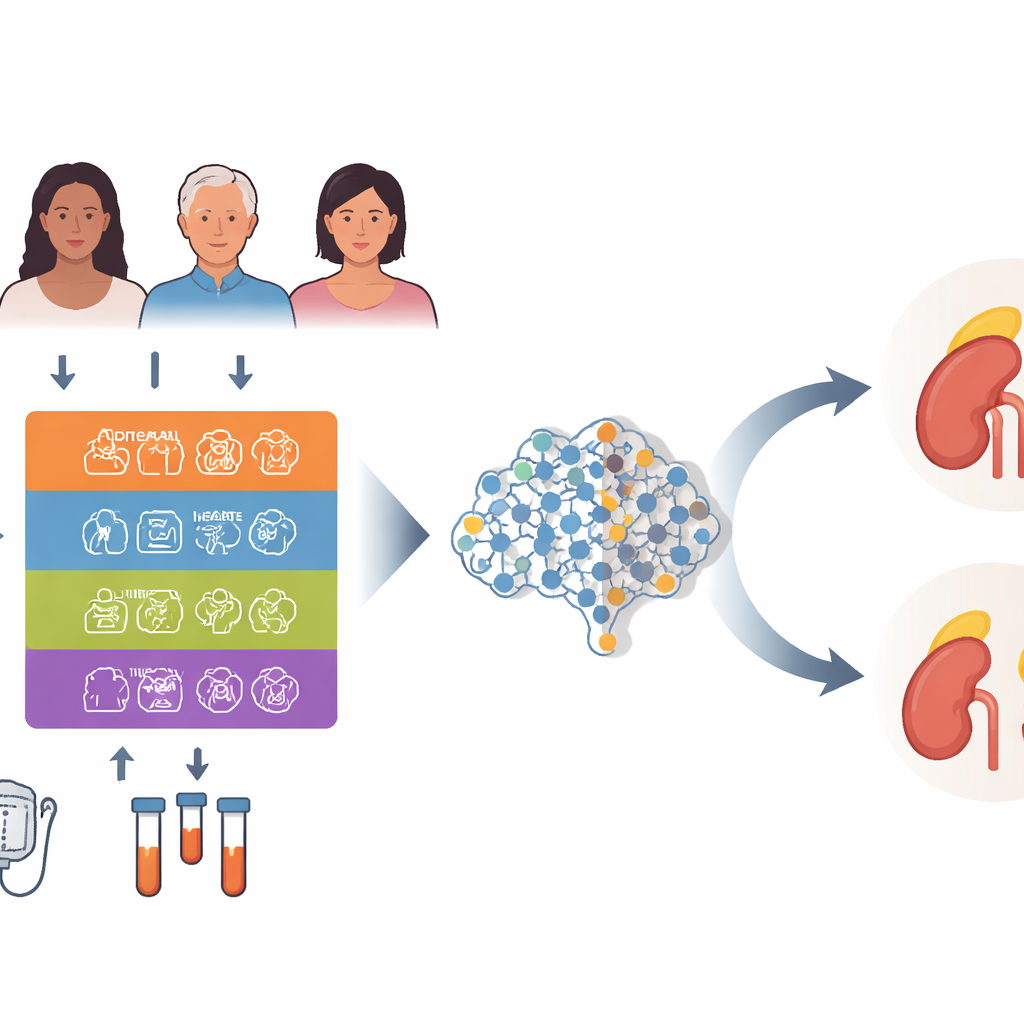
Two types of the same hidden disease
Primary aldosteronism comes in two main forms. In the unilateral type, extra aldosterone comes mostly from one adrenal gland, often because of a small benign tumor, and removing that gland can cure or greatly improve blood pressure. In the bilateral type, both glands are overactive, so surgery is not helpful and drug treatment is preferred. The current gold‑standard test to tell these subtypes apart is adrenal venous sampling, which involves threading catheters into the veins draining each adrenal gland. Because this test is technically demanding and not widely available, clinicians and patients would benefit from a reliable way to predict the subtype using ordinary clinical information.
Feeding many clues into smart computer models
The researchers collected detailed data from 274 patients with primary aldosteronism treated at a single university hospital in Japan, all of whom had already undergone successful adrenal venous sampling to confirm whether their disease was unilateral or bilateral. For each patient they assembled 196 different measurements and grouped them into four broad sets: standard hormone and electrolyte findings related to aldosterone, a variety of challenge tests and day‑night hormone profiles done during brief hospital stays, common blood tests such as liver and kidney function, and an in‑depth panel of hormone breakdown products measured in urine. They then trained five different types of machine learning models to see how accurately each could predict the confirmed subtype from these many overlapping clues.
Random forests rise to the top
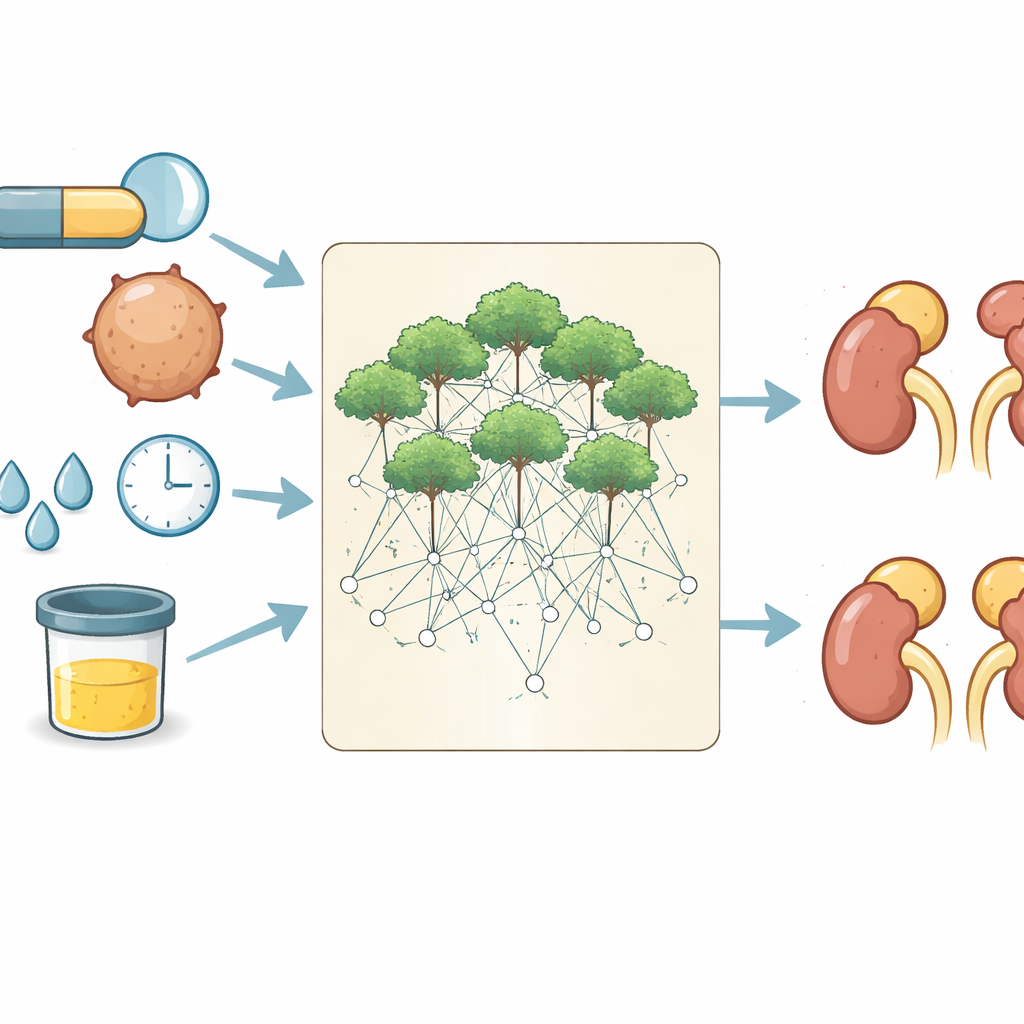
All of the computer models performed fairly well, but decision‑tree methods, especially a technique called random forest, clearly stood out. On a separate test group of patients not used for training, the random forest model correctly classified about 91 percent of cases and showed excellent ability to separate unilateral from bilateral disease. When the researchers examined which types of information the models relied on most, they found that features from challenge tests and day‑night hormone sampling contributed the largest share of predictive power, followed by classic aldosterone‑related measurements and then urinary hormone metabolites. Routine general blood tests, such as cholesterol or basic blood counts, added little useful information and could even reduce performance when included.
The most telling tests hidden in the data
Diving deeper, the team identified specific measurements that carried the greatest weight in the random forest model. The single most informative feature was the level of aldosterone measured 90 minutes after taking the blood‑pressure drug captopril, a standard challenge test that normally suppresses aldosterone in healthy people. Tumor size of the adrenal gland seen on imaging and certain ratios between aldosterone and cortisol during challenge tests were also highly influential. Several components of the urinary steroid profile, especially metabolites linked to the final steps of aldosterone production, provided additional clues. Together, a relatively small subset of these strongest features could capture most of the model’s performance, suggesting that practical prediction tools might not need all 196 measurements.
What this could mean for patient care
The study shows that machine learning models, particularly random forests, can use a rich mix of hormone tests and imaging information to predict whether a patient’s primary aldosteronism is likely to be surgically curable or not, with accuracy above 90 percent in this single‑center sample. For patients, this raises the possibility that, after further validation in other hospitals and careful study of remaining misclassifications, doctors could one day rely more on well‑chosen blood and urine tests and less on invasive vein sampling when deciding between surgery and medicines. In short, smart use of existing clinical data may help match the right treatment to the right person while easing the burden on both patients and specialized centers.
Citation: Mizutani, Y., Miyashita, K., Nakamura, T. et al. Machine learning-based prediction of primary aldosteronism subtype using comprehensive clinical features. Sci Rep 16, 10071 (2026). https://doi.org/10.1038/s41598-026-41005-4
Keywords: primary aldosteronism, hypertension, machine learning, adrenal gland, hormone testing