Clear Sky Science · en
Optimal locations and capacities of multiple BESSs in a RES-integrated distribution network: a real-world case study
Keeping the Lights On in a Cleaner World
As more homes and businesses are powered by solar farms and biomass plants instead of fossil fuels, keeping the electricity grid stable becomes surprisingly tricky. Sunlight and renewable generation rise and fall through the day, while our demand for power spikes in the evening. This study looks at how to place and size big battery systems inside a real Thai power network so that the grid stays steady, losses are reduced, and costs remain under control—offering a glimpse of how tomorrow’s cleaner grids can work in practice.
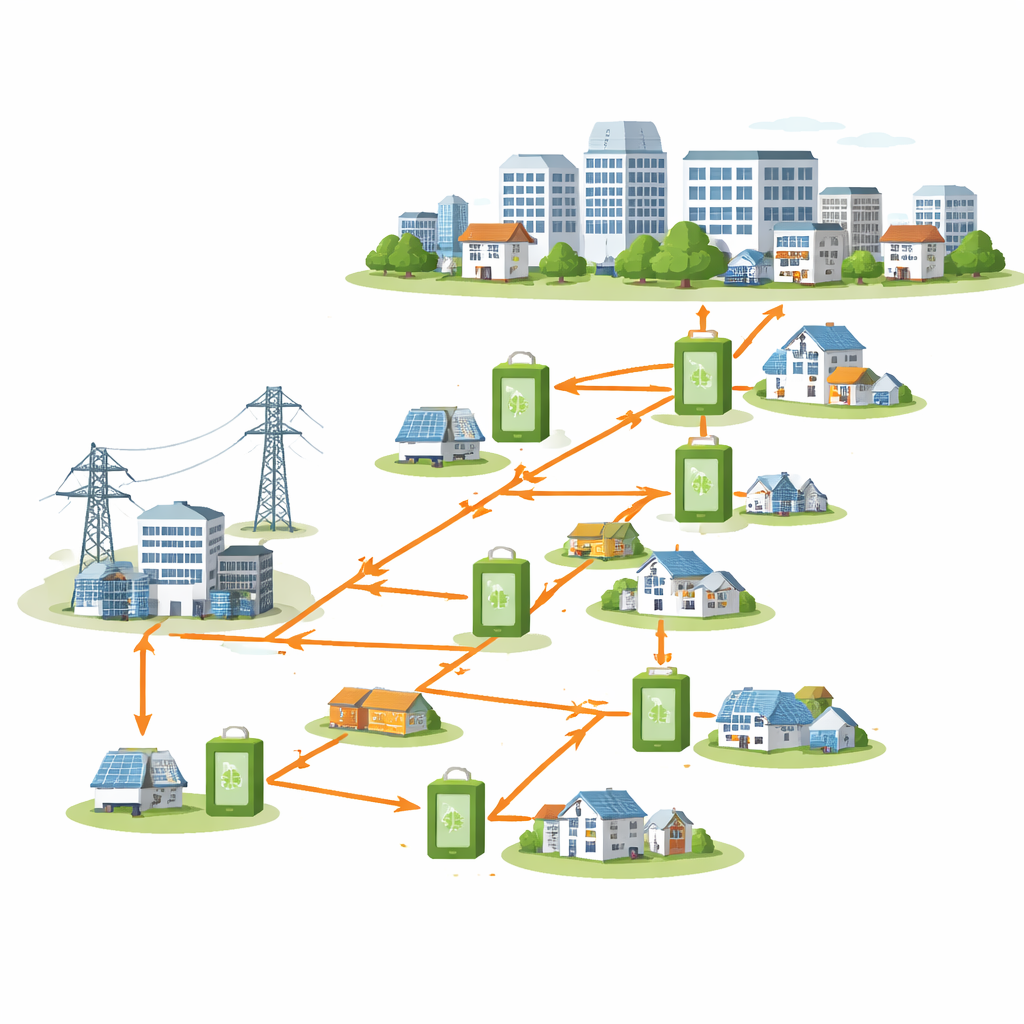
Why Batteries Matter for Everyday Power
Renewable plants such as rooftop solar and biomass generators feed electricity into local power lines known as distribution networks. These lines were originally designed for one-way flow from large power stations to customers. When renewables are added at many points, voltages can swing, some lines get overloaded, and total power losses rise. Large battery energy storage systems can act like shock absorbers: they charge when demand is low and power is cheap, then discharge when demand is high. If these batteries are placed in smart locations and sized correctly, they can smooth out voltage swings, cut losses, and trim the very highest peaks in demand that drive up utility bills.
Turning a Complex Grid into a Planning Puzzle
The researchers studied a real distribution feeder in Hua Hin, Thailand, with 102 connection points and two renewable plants: a solar farm and a biomass plant. They treated the problem as a planning puzzle: where along this web of lines should one, two, or three large battery units be installed, and how big should each one be, to give the best overall performance? Performance was measured by a single cost figure that combines what the batteries cost to buy, install, and maintain with the money saved by reducing voltage problems, energy losses in the lines, and peak power drawn from the higher-level grid. To faithfully represent how batteries work over a full day, the team used a mathematical description of their charge and discharge pattern, ensuring that limits on energy, power, and depth of discharge were respected.
Letting Digital Crayfish Search for the Best Answer
Because there are many possible locations and battery sizes, the team relied on a modern search method inspired by animal behavior, called the crayfish optimization algorithm. In this approach, each virtual “crayfish” represents one candidate plan for battery placement and capacity. Through repeated steps that mimic foraging, seeking shelter, and competing for territory, the swarm of candidates gradually improves. The algorithm evaluates each plan by simulating a full 24-hour period on the real feeder, including actual load and renewable generation profiles. For comparison, the researchers also applied two other widely used search methods based on particle swarms and salp swarms, all using the same grid data and cost definition.
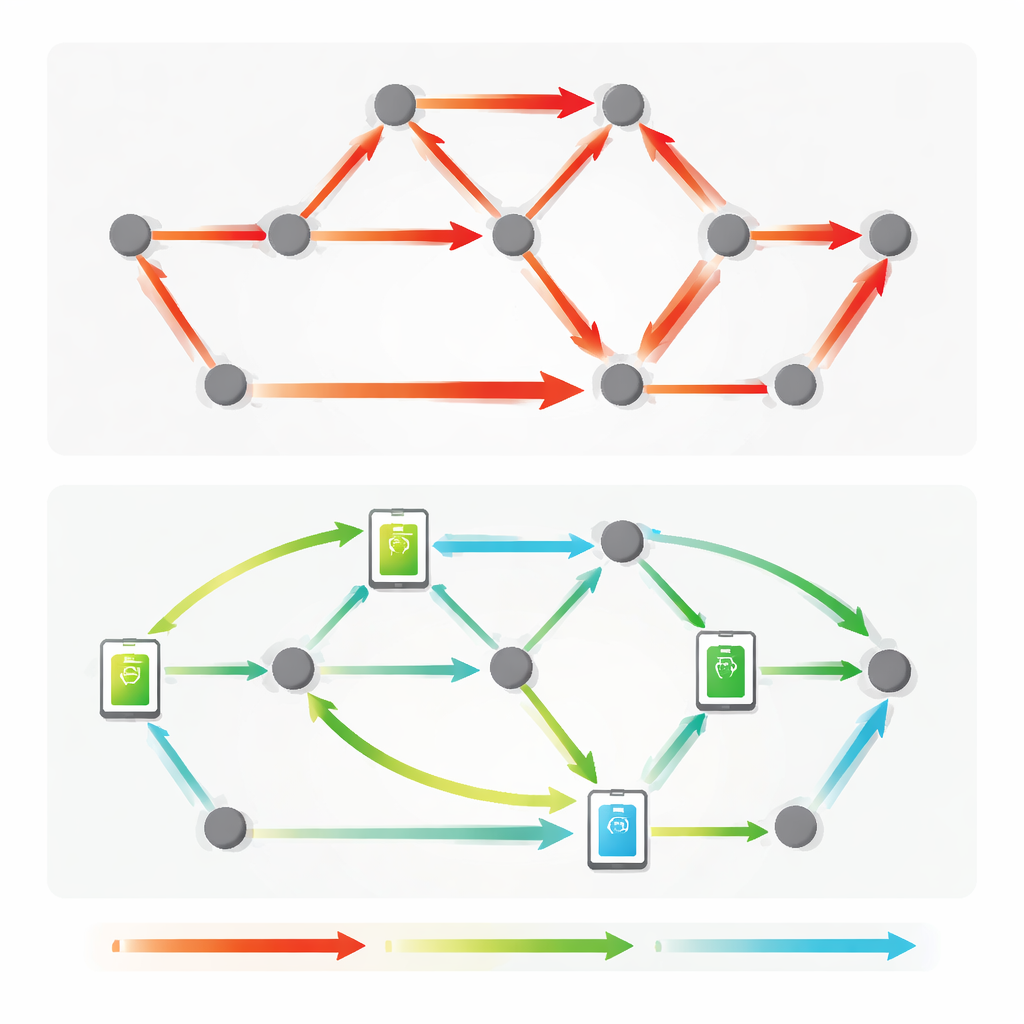
What Happens When Batteries Are Added
The study examined four situations: no batteries, one battery, two batteries, and three batteries. Adding batteries clearly reshaped the daily loading of the feeder: they charged during low-demand hours and discharged at peak times, lowering the highest power drawn from the grid, reducing energy losses, and improving the minimum voltages across the network. Three batteries gave the strongest technical gains, with the lowest losses and voltage variation, but also required the highest investment. Two well-placed batteries, however, struck the best balance, substantially cutting costs linked to voltage deviation, losses, and peak demand while avoiding the extra expense of a third unit. Across almost all comparisons, the crayfish-based method found cheaper and more effective solutions than the other algorithms, and the chosen locations were practical to build along a spacious roadside route.
What This Means for a Cleaner, Smarter Grid
For non-specialists, the key message is that simply sprinkling batteries or renewables around the grid is not enough; their locations and sizes matter greatly for both reliability and cost. This real-world case shows that a carefully planned pair of large batteries in the right spots can deliver most of the technical benefits available, without overspending on extra hardware. By successfully applying an advanced search method to a full-size utility network, the work suggests that similar tools can help power companies worldwide design more stable, efficient grids as renewable energy grows.
Citation: Khunkitti, S., Wichitkrailat, K. & Siritaratiwat, A. Optimal locations and capacities of multiple BESSs in a RES-integrated distribution network: a real-world case study. Sci Rep 16, 9992 (2026). https://doi.org/10.1038/s41598-026-40971-z
Keywords: battery energy storage, renewable grid integration, distribution networks, optimization algorithms, peak demand reduction