Clear Sky Science · en
Acinetobacter bacteria could be potent degraders of fragmented polyethylene and polypropylene among the digestive tract bacteria of Galleria waxworms
Why tiny gut dwellers matter for big plastic problems
Plastic trash, especially shopping bags and packaging made from polyethylene (PE) and polypropylene (PP), lingers in landfills and oceans for decades. This study explores an unexpected group of helpers in the fight against plastic waste: bacteria living inside insects and a deep-sea fish. The researchers show that certain gut bacteria from waxworms and a ghostshark can attack the long carbon chains that make plastics so persistent, especially once the plastics have been broken into smaller pieces by sunlight and wear.
How plastics turn into bite‑sized pieces for microbes
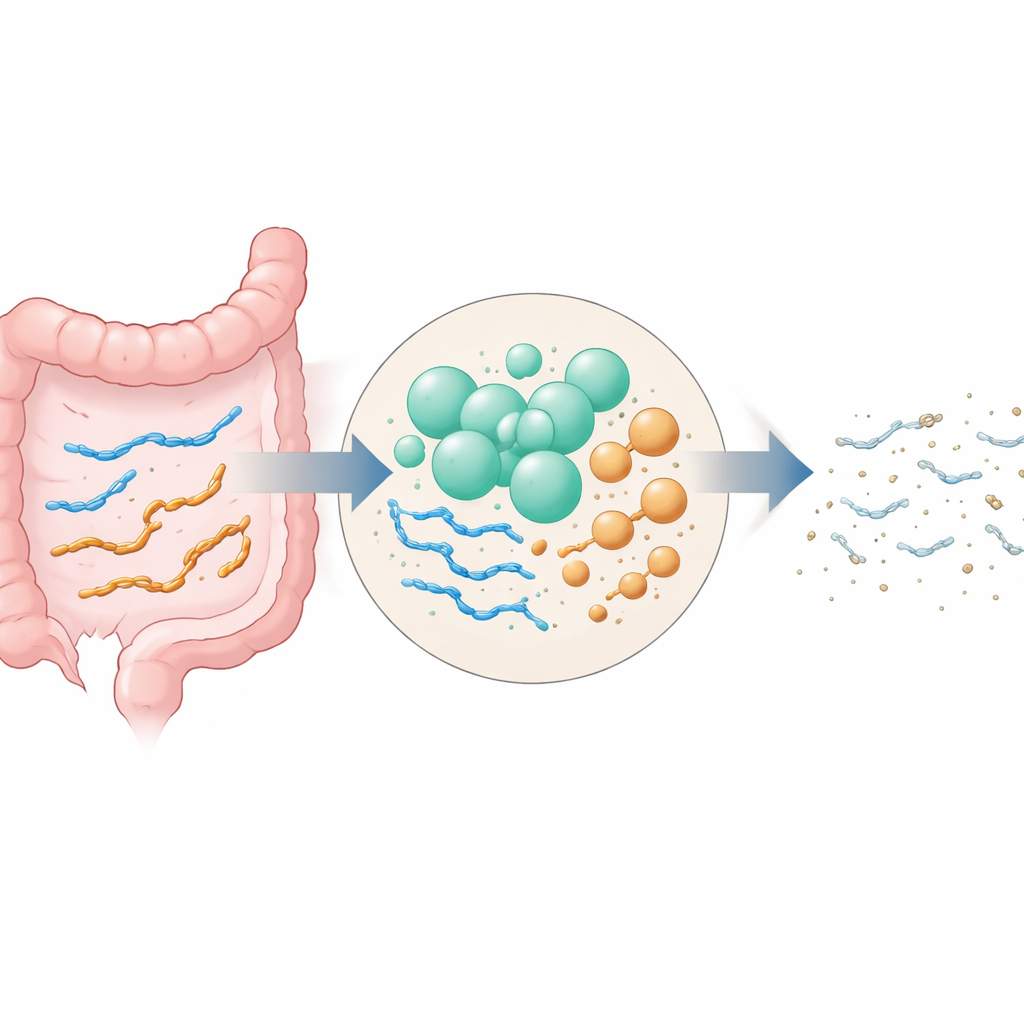
PE and PP are built from long, tightly packed chains of carbon and hydrogen, which makes them tough and slow to break down. Sunlight and heat can crack and oxidize these chains over time, creating smaller fragments and chemical handles that biology can grab onto. Scientists suspect that real plastic breakdown in nature often happens in two stages: first physical and chemical fragmentation, then microbial cleanup of the resulting oily fragments. To focus on this second stage, the authors did not feed whole plastic to microbes, but instead used simpler oil-like molecules that mimic pieces of PE and PP—straight-chain hexadecane to represent PE fragments and a branched oil called pristane to imitate PP fragments.
Waxworm guts as a training ground for plastic‑eating microbes
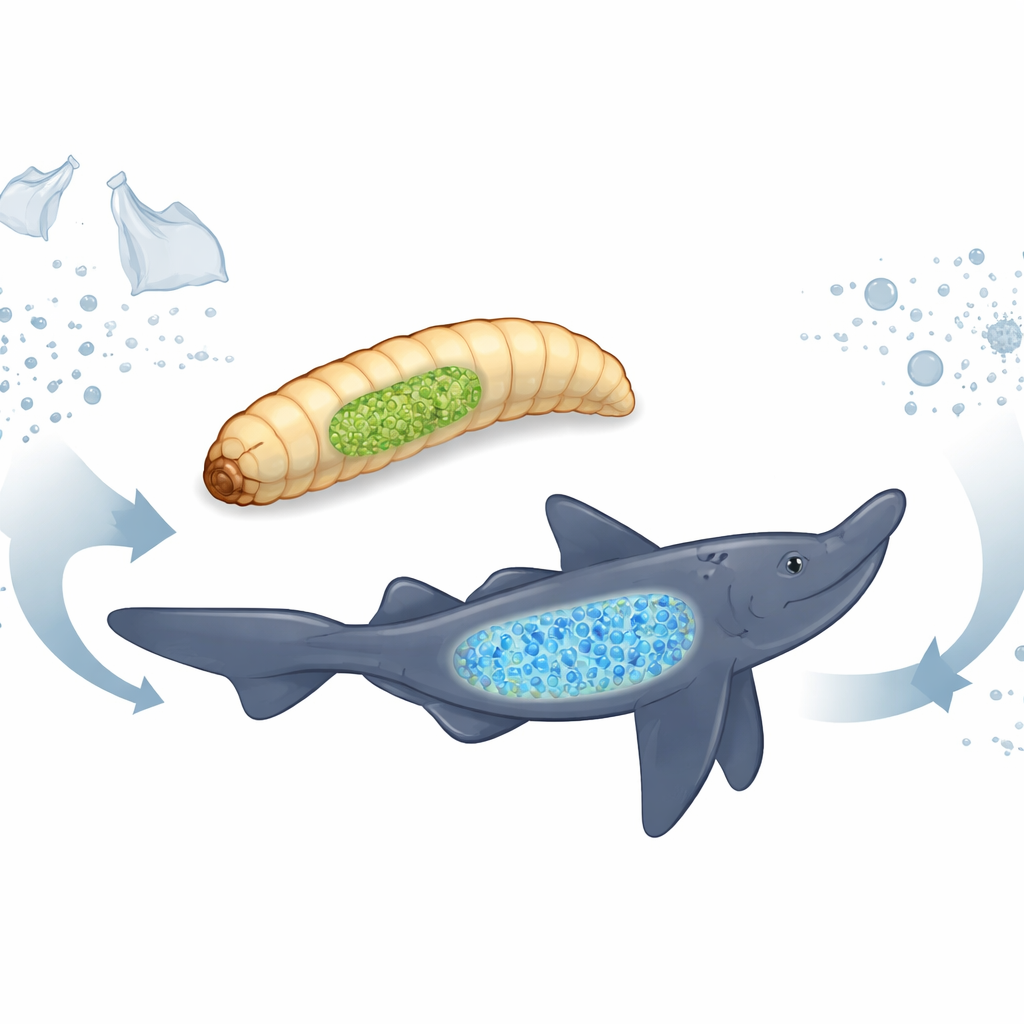
Waxworms, the caterpillars of the moth Galleria mellonella, are known to nibble on plastic bags in the lab, and their saliva can chemically attack PE. The team ground up the digestive tracts of waxworms and grew the resident microbes in a mineral liquid where the only feast available was hexadecane or pristane. Over three weeks, one bacterial group came to dominate: Acinetobacter, especially three types called Acinetobacter courvalinii, A. pittii, and A. calcoaceticus. These bacteria have been known to eat oil-like substances, but here they were singled out as especially good at using both straight and branched chains that resemble plastic fragments.
Isolated strains that chew on plastic‑like oils
The researchers isolated two representative Acinetobacter strains, named Bh10 (A. courvalinii) and Bh12 (A. pittii), and tested them in detail. In laboratory flasks, Bh10 and Bh12 broke down hexadecane and branched oils over a range of temperatures, each with its own preferences for chain length and temperature, suggesting different enzyme tools. Both strains could also attack “liquid PP,” a laboratory preparation of short PP-like chains. However, they did this only when another easy food source (such as a simple organic acid or hexadecane) was present, indicating that these bacteria treat PP fragments as a secondary snack rather than their main meal. Chemical analysis showed that Bh10 favored shorter PP fragments, while Bh12 went after longer ones, meaning that a mixed community could together chip away at a wide span of plastic fragment sizes.
From oily fragments back to solid films
To test something closer to everyday plastics, the team exposed thin films of PE and PP to intense UV light to pre-damage them and then incubated them with the Acinetobacter strains. The bacteria caused clear chemical changes on the film surfaces: new oxygen-containing groups appeared, a classic signature of oxidation. For PE, there was modest weight loss, but for PP, the films gained these oxygen marks without measurable weight loss. This pattern supports the idea that these bacteria are good at the very first step on solid plastics—adding oxygen and beginning to loosen the chains—but need the material to become fragmented and more fluid before they can fully consume it.
Deep‑sea ghostshark as an unexpected partner
An intriguing twist came from a purple ghostshark caught in deep water off Japan. When the scientists analyzed the bacteria in its intestine and on its skin, they again found Acinetobacter courvalinii and the A. pittii/A. calcoaceticus group in high numbers, similar to the enriched waxworm cultures. Ghostsharks have livers rich in unusual oily molecules with long alkyl chains that are hard to break down. Acinetobacter is known to metabolize such chains, suggesting that in the ghostshark, these bacteria may be naturally adapted to chewing on stubborn, oil-like structures very similar to plastic fragments.
What this means for cleaning up plastics
To a lay observer, this work does not mean that waxworms or ghostsharks alone will solve plastic pollution. Instead, it highlights a promising class of bacteria—Acinetobacter—that are particularly good at attacking the carbon backbones of plastic once those backbones are partly broken and made more mobile. In nature, sunlight and wear first crack plastics into smaller, oil-like pieces; then bacteria like these can oxidize and further shrink those fragments. Understanding who these bacteria are, what conditions they prefer, and how their enzymes work is a key step toward designing biological tools or microbial communities that can more efficiently clean up plastic waste in both land and marine environments.
Citation: Oota, T., Ebina, S., Shimoura, H. et al. Acinetobacter bacteria could be potent degraders of fragmented polyethylene and polypropylene among the digestive tract bacteria of Galleria waxworms. Sci Rep 16, 12794 (2026). https://doi.org/10.1038/s41598-026-40931-7
Keywords: plastic biodegradation, waxworm gut bacteria, polyethylene fragments, polypropylene fragments, Acinetobacter