Clear Sky Science · en
Development of lightweight, environmentally friendly bricks using leather shaving and buffing dust waste
Turning Waste into Building Power
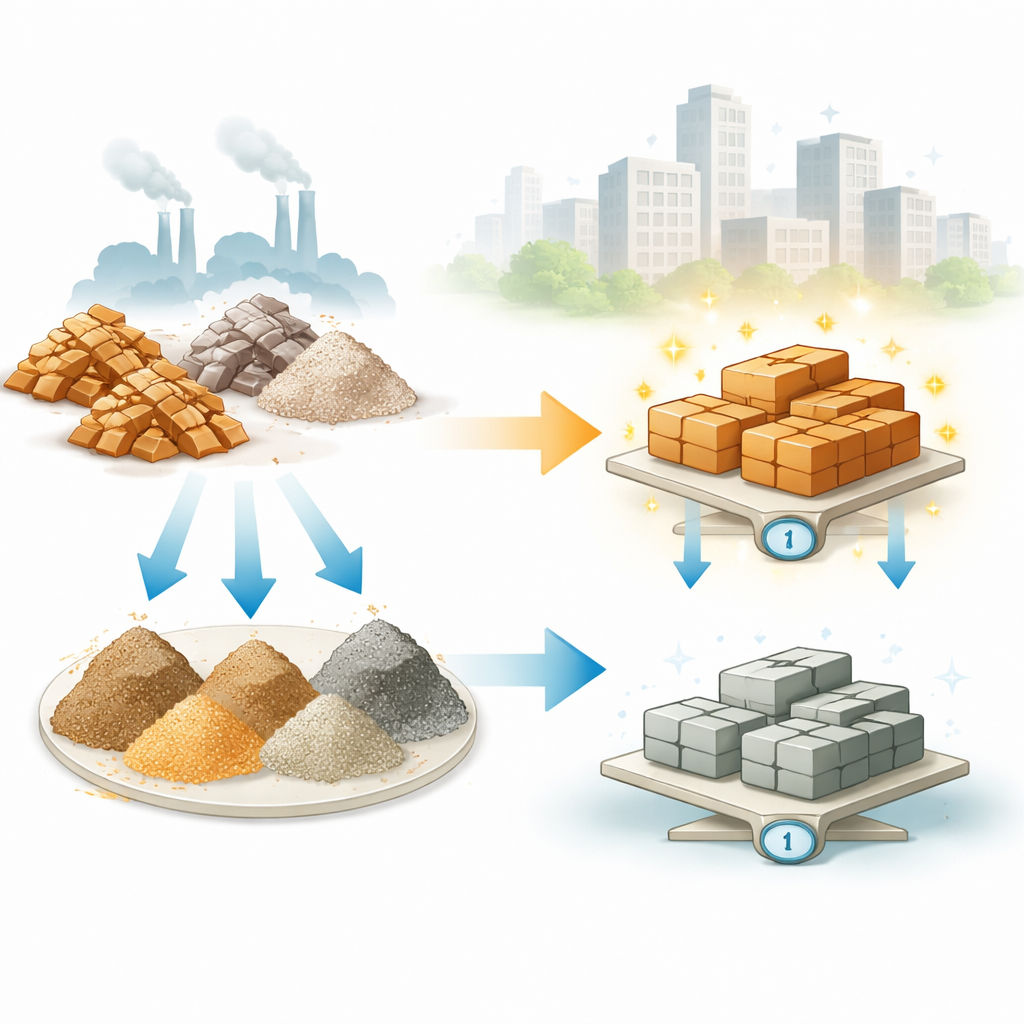
Across many fast-growing countries, cities are expanding while factories generate mountains of waste. One surprising example is the fine dust left over when animal hides are turned into leather. This powdery material is often dumped untreated, threatening soil and water. The study behind this article asks a bold question: instead of throwing that dust away, could we safely bake it into new kinds of bricks that are lighter, strong enough for buildings, and gentler on the planet?
The Problem of Hidden Leather Waste
Leather production may conjure images of shoes and bags, but in reality it produces far more waste than finished goods. As much as 80–85% of the solid material becomes scraps, shavings, and ultra-fine buffing dust. This dust often contains chromium-based tanning agents and other chemicals that can contaminate land and water if simply dumped. At the same time, traditional fired clay bricks are heavy and energy intensive to make, and their weight increases the shaking forces buildings feel in earthquakes. Finding a way to turn leather dust into lighter bricks could therefore tackle both waste and safety in a single solution.
How the New Bricks Are Made
The researchers collected clay from several regions in Bangladesh, as well as river sand and rice husk ash, a by-product of rice milling. They then dried and ground a mix of leather shaving and buffing dust into a fine powder and blended it with the clay mixture at levels between 5% and 25% by weight. Two brick-making routes were tested. In the first, bricks were shaped in wooden molds and fired in a furnace at about 900 °C, much like ordinary clay bricks. In the second, the team produced non-fired bricks by mixing leather dust, clay, sand, ash, and cement with water, molding the mixture, and allowing it to cure in air and during controlled water exposure over several weeks. This side-by-side approach let them compare strength, weight, and environmental behavior for both types.
Lighter Bricks That Stay Strong
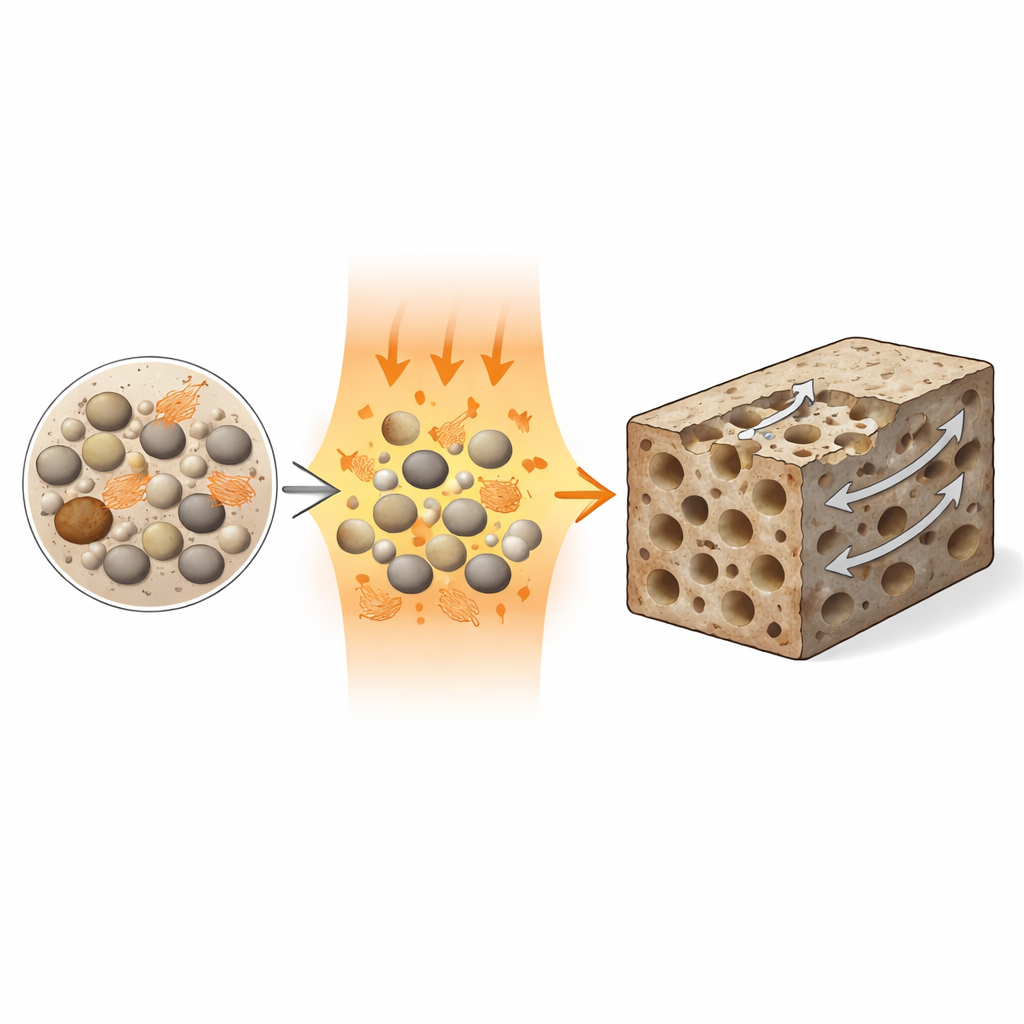
Adding leather dust did exactly what the scientists hoped: it made the bricks lighter. As the organic fibers burned away during firing or left small voids during curing, the overall weight of the bricks dropped by at least 17% and up to about 40% at the highest waste content. At the same time, the bricks remained impressively strong. Fired bricks with 10% leather dust reached a compressive strength of about 24.5 megapascals, comfortably above common national and international building standards. Non-fired bricks with the same leather content achieved around 19 megapascals after 28 days of curing, also within or near reference limits for structural use. Careful microscopic imaging showed a network of tiny pores and fibrous traces inside the bricks, explaining how the material can be lighter yet still carry heavy loads.
Checking Safety and Environmental Impact
Because leather dust contains chromium compounds used in tanning, the team paid special attention to chemical safety. Surface-sensitive tests confirmed that chromium stayed in its less harmful trivalent form and did not convert to the more dangerous hexavalent form during firing. When brick samples were soaked in water under standardized leaching tests, the amounts of chromium and other metals that escaped into the water remained below regulatory limits, although the researchers note that very high waste loadings require extra care. Thermal tests showed that most organic matter from the leather dust burns off cleanly, while the remaining brick skeleton remains stable up to high temperatures. Overall, both fired and non-fired bricks met widely used benchmarks for strength, durability, and chemical safety.
What This Means for Future Buildings
For non-specialists, the central message is straightforward: a troublesome industrial waste can be safely locked into a useful building material. By mixing modest amounts of leather dust—around one-tenth of the brick mass—with clay, sand, and ash, the researchers produced lighter bricks that still meet structural standards, reduce the need for fresh clay, and cut both waste volumes and, in the case of non-fired bricks, energy use. In earthquake-prone and resource-limited regions, such bricks could make buildings safer and cheaper while cleaning up an existing pollution problem. The work is still at laboratory scale, but it points toward a practical way for the leather and construction industries to cooperate, turning a pollution source into a building block for more sustainable cities.
Citation: Mithu, M.R., Islam, M.A., Mottalib, M.A. et al. Development of lightweight, environmentally friendly bricks using leather shaving and buffing dust waste. Sci Rep 16, 12394 (2026). https://doi.org/10.1038/s41598-026-40899-4
Keywords: leather waste, lightweight bricks, sustainable construction, tannery pollution, circular economy materials