Clear Sky Science · en
Plant based synthesised silver nanoparticles delivering enhanced antifungal activity and synergistic environmental remediation
Why tiny silver particles matter for farms and rivers
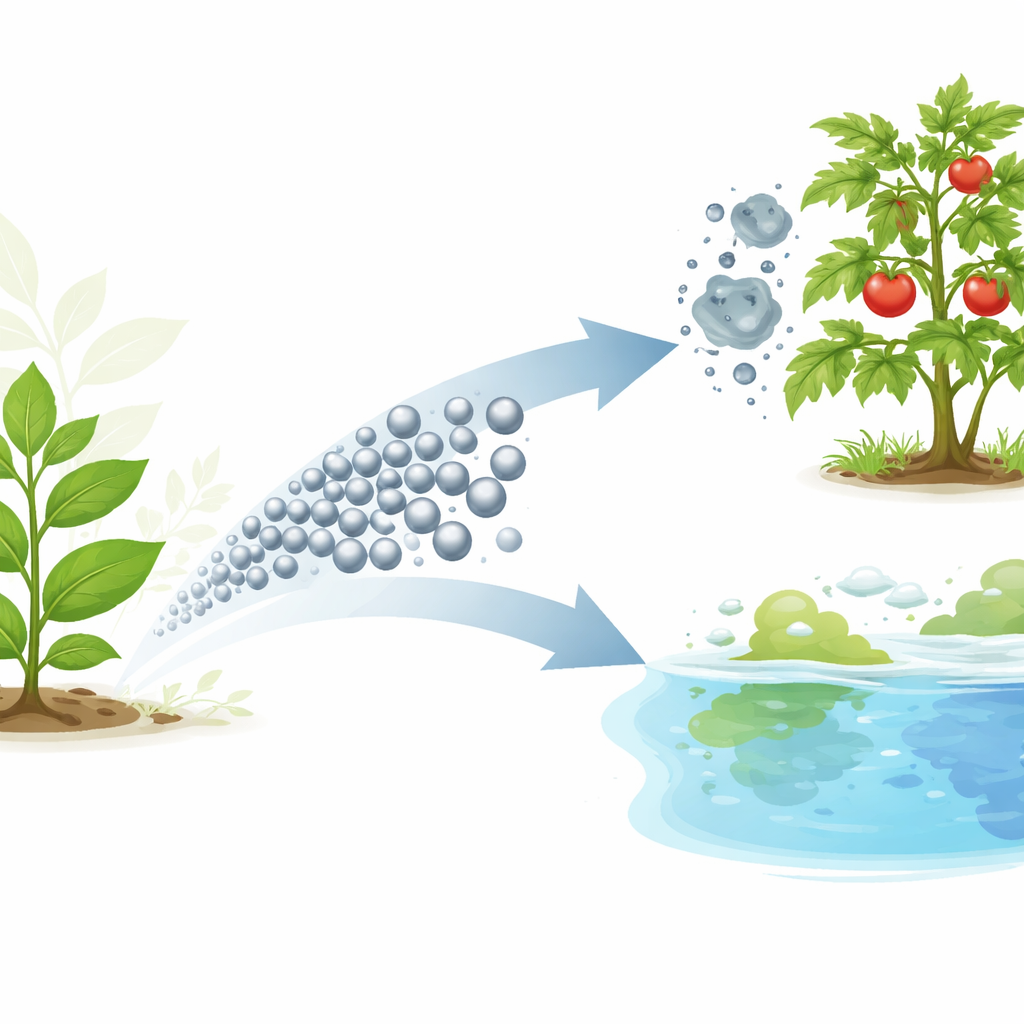
Farmers and communities face a double challenge: crop diseases that threaten food supplies and brightly colored industrial dyes that foul rivers and lakes. This study explores an elegant, plant-based way to tackle both problems at once using ultra-small silver particles made from a common medicinal herb. These "green" silver particles can both shield tomato plants from damaging fungi and help strip toxic dyes from water, offering a glimpse of how nanotechnology and plants can work together for cleaner food and cleaner environments.
Turning a healing herb into a tiny tool
The researchers began with Enicostemma axillare, a medicinal plant rich in natural chemicals such as flavonoids and alkaloids. Instead of relying on harsh industrial methods to make silver nanoparticles, they used an extract of the plant leaves as a gentle factory. When mixed with a silver salt, compounds in the leaves helped form stable, spherical silver particles only about 15–20 billionths of a meter wide. Earlier work had confirmed their size and structure; here, the focus was on what these particles could actually do in real-world situations relevant to farming and pollution control.
Helping tomatoes fight off harmful fungi
Tomato crops often suffer huge losses from two aggressive fungi, Alternaria alternata and Fusarium oxysporum, which cause leaf spots and wilting. The team tested different doses of the plant-made silver particles against these fungi in lab dishes and in tomato plants. At higher concentrations, the particles dramatically slowed the spread of fungal threads and prevented spores from sprouting, reaching inhibition levels above 80 percent for both species. When tomato seeds were soaked in these solutions, seedlings showed better germination, longer shoots and roots, and higher overall vigor than untreated seeds or those exposed to ordinary silver salt, suggesting the tiny particles were potent against fungi yet not harmful to the young plants.
Boosting the plant’s own defense and growth
In pot experiments under more natural conditions, tomato plants were deliberately infected with leaf-spot disease and then sprayed with the silver nanoparticle solutions. The treated plants responded by ramping up key defense and stress-response enzymes that help neutralize harmful oxygen by-products and strengthen cell walls. Levels of natural protectors such as phenolic compounds and the amino acid proline also increased. At the same time, the leaves accumulated more chlorophyll, the green pigment that powers photosynthesis. Together, these shifts point to a twofold effect: the nanoparticles directly damage invading fungi and also prime the plant’s own immune system, leaving it greener, stronger, and better able to withstand infection.
Scrubbing stubborn dyes from water
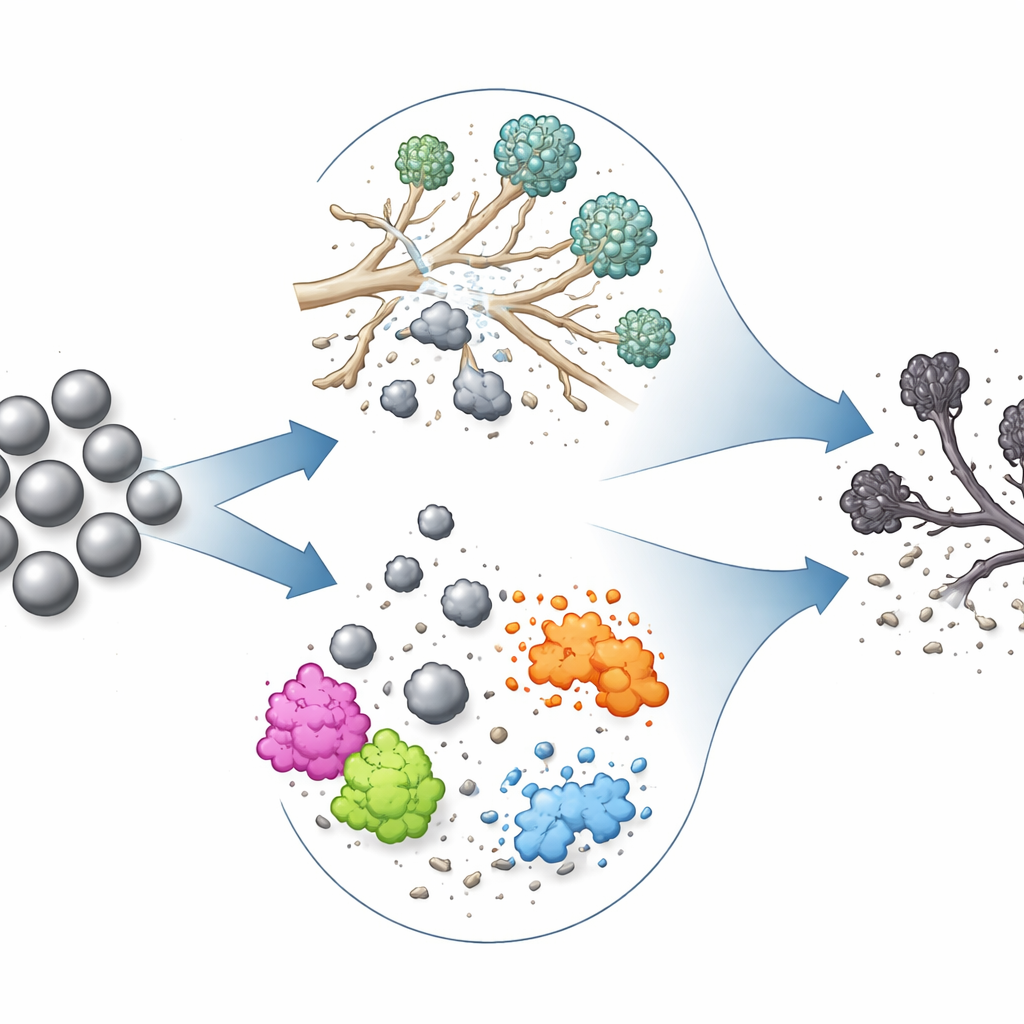
Beyond the field, the team tested whether the same silver particles could help clean up three widely used industrial dyes—methylene blue, methyl orange, and Congo red—that often end up in wastewater and are difficult to break down. On their own, a common chemical reducer could not remove the dyes. But once the silver nanoparticles were added, the dyes rapidly lost their color, with more than 90 percent breakdown in just 10–18 minutes for all three. The particles acted as miniature reaction hubs, shuttling electrons from the reducing chemical to the dye molecules and helping split their complex bonds into smaller, less harmful fragments. Importantly, the particles could be filtered out and reused at least five times with little loss of cleaning power.
What this means for safer food and cleaner water
For non-specialists, the takeaway is straightforward: using a common herb, scientists created tiny silver particles that both protect tomatoes from destructive fungi and help remove toxic dyes from water. Compared with conventional fungicides and chemical treatments, this plant-based approach is faster, uses milder ingredients, and avoids adding large amounts of harsh substances to fields or waterways. While more work is needed before large-scale use, the study shows how "green" nanotechnology can offer dual benefits—healthier crops and cleaner effluent—supporting more sustainable agriculture and pollution control.
Citation: Raj, S., Trivedi, R. Plant based synthesised silver nanoparticles delivering enhanced antifungal activity and synergistic environmental remediation. Sci Rep 16, 10243 (2026). https://doi.org/10.1038/s41598-026-40674-5
Keywords: green nanotechnology, silver nanoparticles, tomato disease control, wastewater dye removal, plant-based antifungal