Clear Sky Science · en
Analyzing the impact of gender-specific vaccination strategies and behavioral dynamics on HPV transmission
Why this matters for everyday health
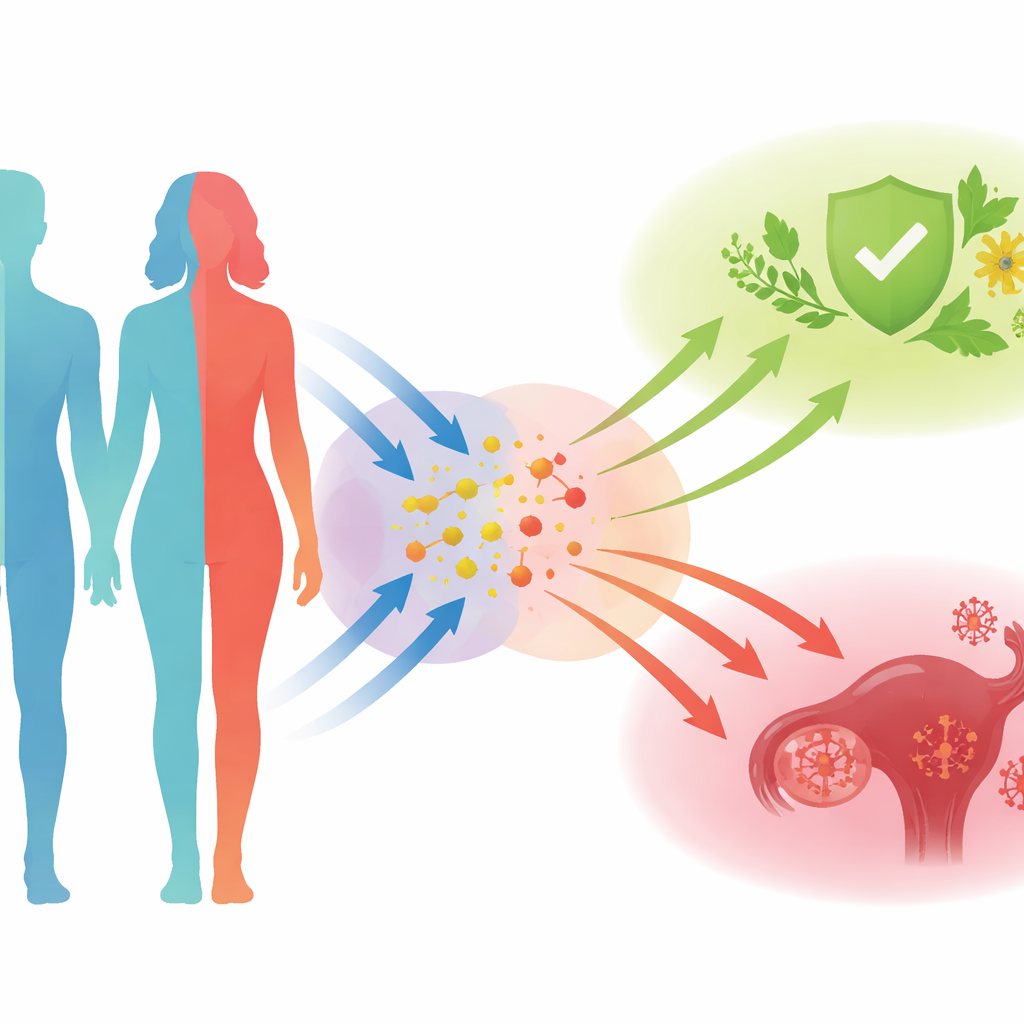
Human papillomavirus (HPV) is one of the most common sexually transmitted infections and a key cause of cervical and other cancers. Vaccines can prevent many HPV infections, but who gets vaccinated, how well the vaccine works, and how people respond to medical advice all shape how much disease remains in the community. This study uses mathematical tools to explore how vaccination strategies that treat men and women differently, combined with real-world behavior and costs, can change the course of HPV spread and cancer risk.
Following the paths of infection and protection
The researchers built a model that tracks people through four health states: those who can catch HPV, those who have been vaccinated, those who are currently infected, and those who have recovered. They follow these groups separately for men and women, because HPV risks and infection patterns differ by gender. The model allows vaccinated people to lose some protection over time and, in some cases, still become infected, reflecting that vaccines are very good but not perfect. Using this framework, the team asked under what conditions HPV dies out in the population and when it continues to circulate at a steady level.
When vaccines tip the balance
A central concept in infectious disease science is the basic reproduction number, which captures how many new infections one case will cause on average. In this model, that number falls as more men and women get vaccinated and as the vaccine becomes more effective. If it drops below one, the infection eventually disappears; above one, HPV persists. The study shows that even partial loss of vaccine protection still offers strong benefits, as long as enough people in both genders are vaccinated. Full, high-coverage vaccination in men and women keeps this threshold safely below the danger point, while no vaccination or low coverage allows HPV to remain common.
How costs and choices shape vaccination
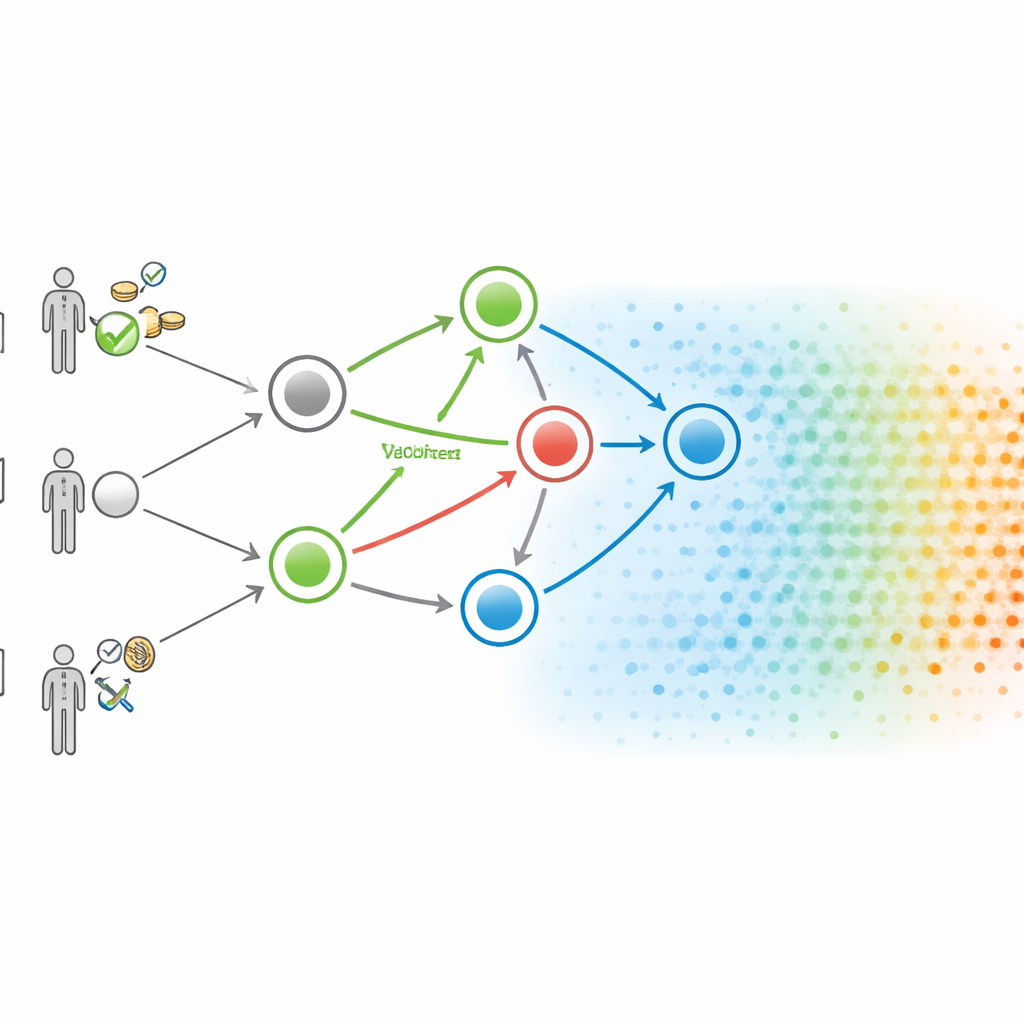
Vaccination decisions are not made in a vacuum. The authors layer in behavioral and economic factors such as the price and side effects of vaccination, the reassurance people feel when a doctor recommends it, their perceived risk of catching HPV, and their fear of cancer and treatment costs. Using ideas from game theory, they treat vaccination as a strategy that individuals may or may not adopt based on expected personal benefit. People who skip vaccination but escape infection act as “free riders,” benefiting from others’ protection without paying the cost, while those who remain unvaccinated and get sick bear the full burden of disease and cancer risk.
What the simulations reveal about men and women
Computer simulations show how infection levels change over time in vaccinated and unvaccinated groups of men and women. When vaccines are powerful and widely used, infection peaks are lower and shorter, and far fewer people become infected. Even modest vaccination in both genders improves outcomes, but incomplete coverage leaves the system fragile: small increases in how easily HPV spreads can push the population back into sustained epidemics. Heat-map diagrams reveal that high vaccine cost and low perceived cancer risk lead to low vaccination coverage and larger outbreaks, while low vaccine cost and high concern about cancer encourage vaccination and sharply shrink the final number of infections. Interestingly, the model suggests that men may end up vaccinating more than women under some conditions, leading to higher infection levels among women.
Take-home message for prevention
Overall, the study finds that vaccinating both men and women, using affordable vaccines with good protection, is key to driving HPV toward disappearance and reducing cancer. Policies that lower vaccination costs, improve vaccine performance, and strengthen doctor recommendations can nudge more people to choose vaccination, limiting the room for HPV to spread. By combining infection dynamics with realistic human behavior, the work underscores that gender-aware vaccination programs and thoughtful public health messaging can greatly improve population health.
Citation: Jahan, N., Hossain, M.S. & Ariful Kabir, K.M. Analyzing the impact of gender-specific vaccination strategies and behavioral dynamics on HPV transmission. Sci Rep 16, 12115 (2026). https://doi.org/10.1038/s41598-026-40661-w
Keywords: HPV vaccination, gender-specific immunity, behavioral epidemiology, cancer prevention, mathematical disease modeling