Clear Sky Science · en
Prevalence and risk factors of child morbidity with spatial analysis among under five children in Bangladesh
Why Where a Child Lives Matters
For many parents, a child’s fever or cough is a short-lived worry. But in countries like Bangladesh, these common illnesses can threaten a young child’s life. This study looks closely at how often children under five in Bangladesh fall sick with problems like fever, diarrhea and breathing difficulties, and, crucially, where these illnesses cluster on the map. By revealing geographic hot spots and the family and community conditions linked to sickness, the research shows how targeted action could save many young lives.
Illnesses That Should Be Preventable
Child morbidity is a broad term for sickness in children, but here it mainly refers to three very familiar ailments: fever, diarrhea and acute breathing problems. These conditions are often preventable with clean water, good nutrition and timely medical care, yet they remain among the top killers of young children worldwide. Using data from the 2022 Bangladesh Demographic and Health Survey, the researchers found that roughly one in three Bangladeshi children under five had at least one of these illnesses in the two weeks before they were surveyed. Fever was by far the most common, affecting about a third of children, while diarrhea and breathing infections were less frequent but still serious.
A Map of Hot and Cold Spots
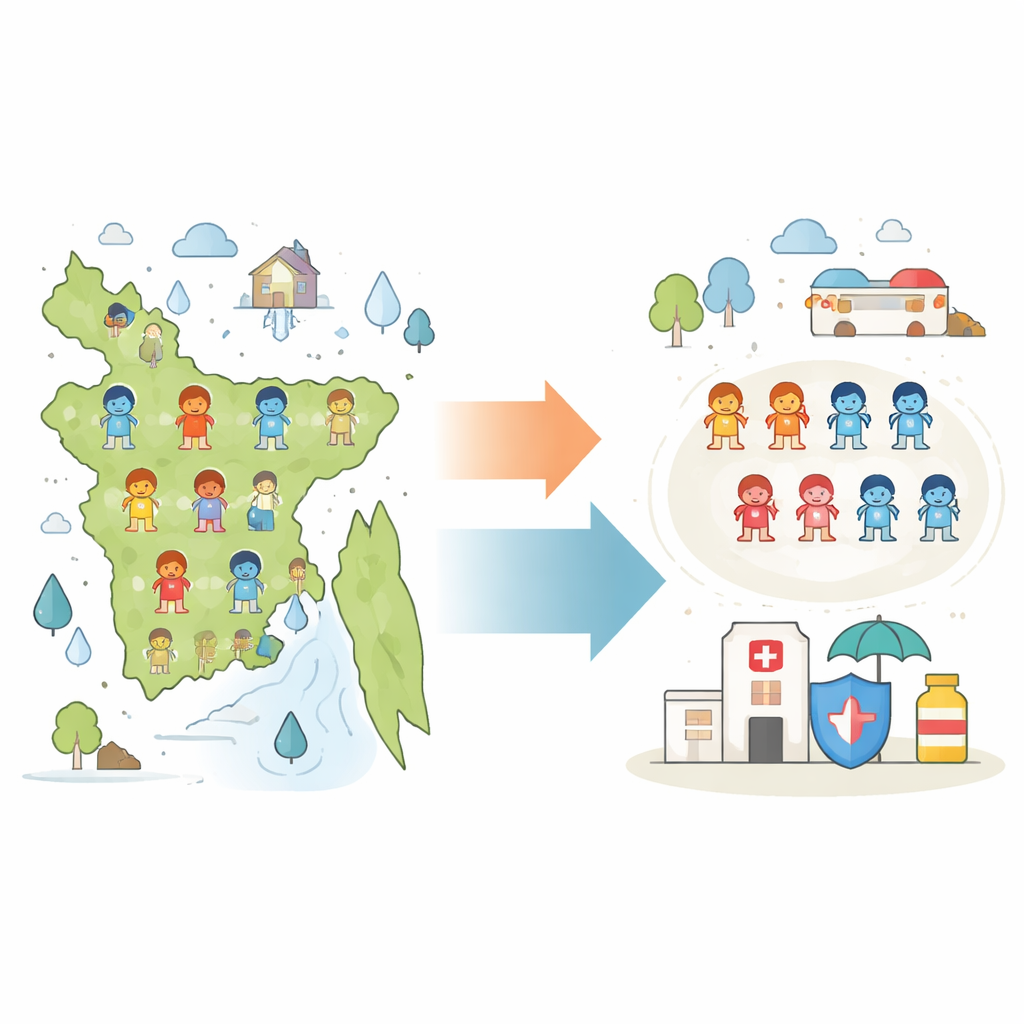
Instead of only looking at national averages, the team used spatial analysis—essentially, statistical tools layered onto maps—to see where sickness is unusually common or rare. They found clear hot spots of child illness in four divisions: Rangpur, Khulna, Barisal and Chattogram. These areas tend to combine poverty, food insecurity, fragile housing and weak access to clean water and sanitation, as well as exposure to floods, cyclones and salty or contaminated water. In contrast, cold spots—areas with lower-than-expected illness—were seen in Dhaka, Sylhet, Chattogram and Mymensingh. Dhaka, the economic hub, generally has better infrastructure, more health services and higher family incomes. Interestingly, Chattogram appeared as both hot and cold, hinting at stark contrasts between its crowded, better-served city neighborhoods and its remote, disaster-prone coastal and hilly communities.
Who Gets Sick, and Why
The researchers then asked which children were more likely to fall ill, taking into account individual, household and community factors at the same time. Older children, especially those aged two to four years, were less likely to be sick than babies, probably because immune systems strengthen with age and very young children are more vulnerable to poor nutrition and dirty environments. Children who were currently being breastfed also had lower odds of illness, underscoring the protective power of breast milk, which supplies both nutrients and infection-fighting antibodies. Household wealth mattered too: children from the richest families were less likely to be sick than those from the poorest, reflecting better diets, cleaner homes and easier access to health care. Surprisingly, children in rural areas showed slightly lower reported illness than those in cities—an “urban penalty” that may reflect crowded slums, polluted air and better recognition and reporting of symptoms in urban settings.
What the Patterns Mean for Policy
Some findings were less straightforward. For example, children of mothers with secondary schooling appeared more likely to be reported as sick than those whose mothers never attended school, even though children of the most educated mothers had the lowest overall illness. The authors suggest this may reflect differences in awareness and recall: mothers with some schooling may be better at noticing and reporting symptoms, especially fever, rather than their children truly being sicker. The study also notes that some important influences, such as handwashing habits or anemia, could not be measured with the available data. Still, the combination of mapping and statistical modeling provides a powerful picture of how geography, poverty, environment and caregiving practices intersect to shape child health.
Targeting Help Where It Is Needed Most
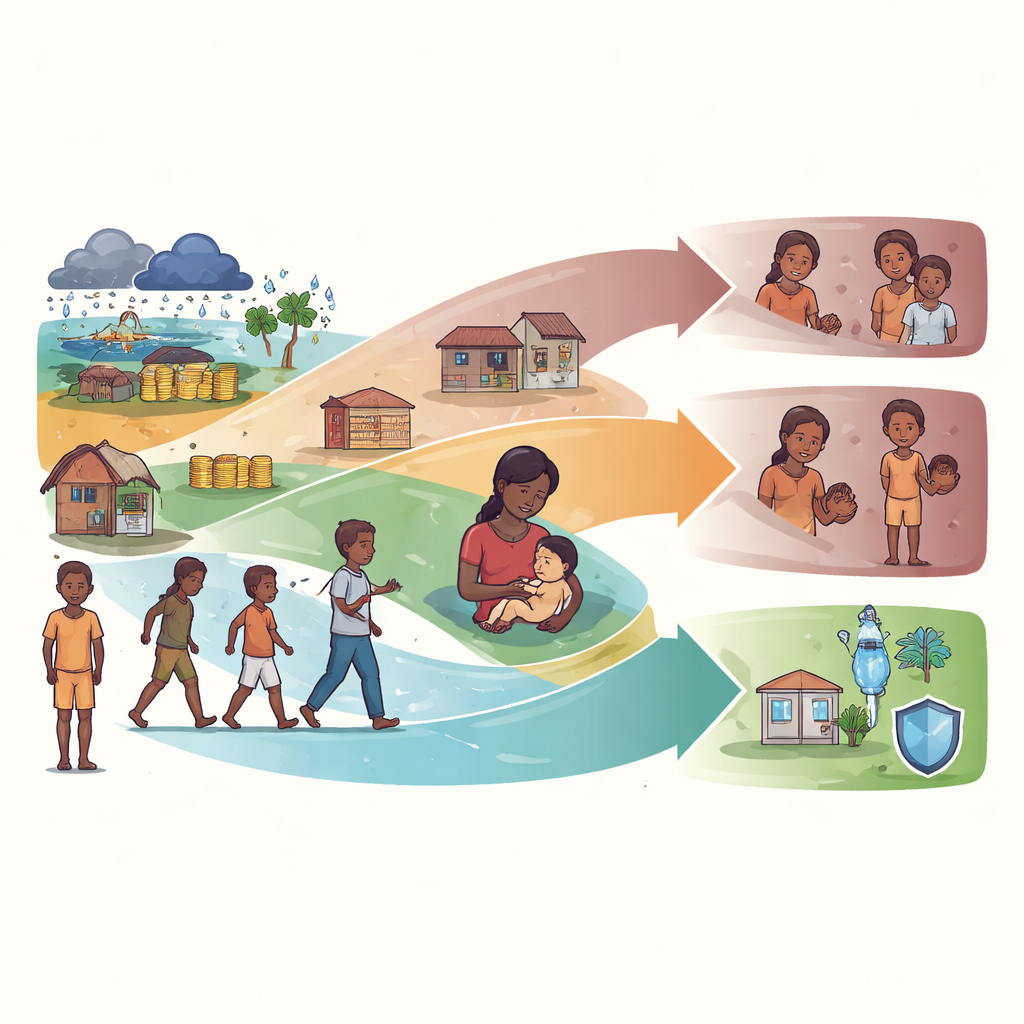
In simple terms, the study concludes that too many young children in Bangladesh are getting sick, and they are not spread evenly across the country. Certain regions—and the poorest families within them—carry a much heavier burden of illness. By pinpointing where hot spots lie and which children are most at risk, the research argues for targeted solutions: improving water, sanitation and hygiene in high-burden areas; strengthening health services that can withstand floods and storms; supporting breastfeeding; and reducing poverty among families with young children. Rather than one-size-fits-all programs, Bangladesh needs place-sensitive, data-driven efforts to ensure that a child’s health is not determined by the district or neighborhood into which they are born.
Citation: Rashid, M.M., Rahman, M., Miah, M.S. et al. Prevalence and risk factors of child morbidity with spatial analysis among under five children in Bangladesh. Sci Rep 16, 10700 (2026). https://doi.org/10.1038/s41598-026-40525-3
Keywords: child health, Bangladesh, infectious disease, spatial analysis, public health policy