Clear Sky Science · en
Efficacy of topical erythropoietin gel and mouthwash for recurrent aphthous stomatitis in a randomized clinical trial
Sore Mouths and Everyday Comfort
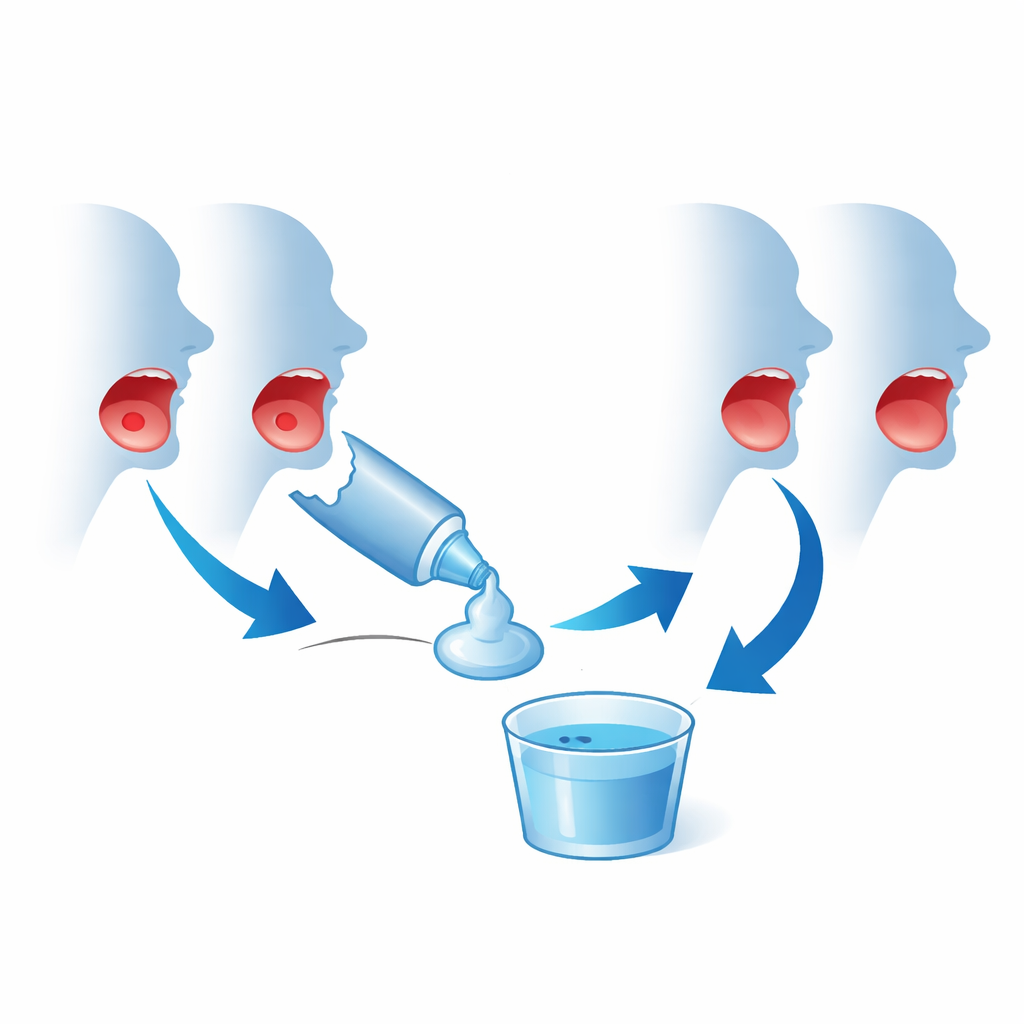
Many people are troubled by small, painful sores inside the mouth, often called canker sores. Though each ulcer eventually heals on its own, the burning pain can make eating, drinking, and even talking uncomfortable, and for some people these sores keep coming back again and again. This study tested whether a medicine better known for treating anemia, used here as a simple gel or mouthwash, could quickly ease pain, help the ulcers heal, and even space out future flare‑ups.
Why These Little Sores Matter
Recurrent aphthous stomatitis is the medical name for repeated canker sores. Up to a quarter of people may experience them, and in most cases the ulcers are small but frequent. Doctors still do not fully understand why they happen, but they are linked to a revved‑up local immune response that makes the lining of the mouth inflamed and fragile. Standard treatments, such as steroid creams or rinses, focus on numbing pain and calming inflammation but can carry side effects if used for long periods. There is a need for safe options that not only reduce pain but also help the mouth lining recover and potentially cut down how often sores return.
A Blood Hormone Reimagined for the Mouth
The researchers focused on erythropoietin, a natural protein best known for helping the body make red blood cells. In recent years it has also been shown to protect and repair tissues, dampen inflammation, and encourage new blood vessels to grow. Because swallowing erythropoietin in large amounts could affect the whole body, the team tested it only as a local treatment—placed directly on the sore—either as a sticky gel that clings to the ulcer or as a liquid rinse. They also measured a signaling molecule in saliva, called IL‑2, which tends to be high when these ulcers are active, as a simple laboratory marker of inflammation.
How the Trial Was Run
Sixty adults with fresh, painful canker sores were randomly assigned to three groups: erythropoietin gel, erythropoietin mouthwash, or a salt‑water placebo mouthwash. Everyone used their assigned treatment four times a day for a week. Neither the patients nor the examiners knew who had the active drug. The team tracked how much pain patients felt on a standard scale, how large the ulcer was, and how much IL‑2 was present in saliva at the start, after three days, and after seven days. They then followed patients for up to six months to see how long it took for new ulcers to appear.
What the Researchers Found
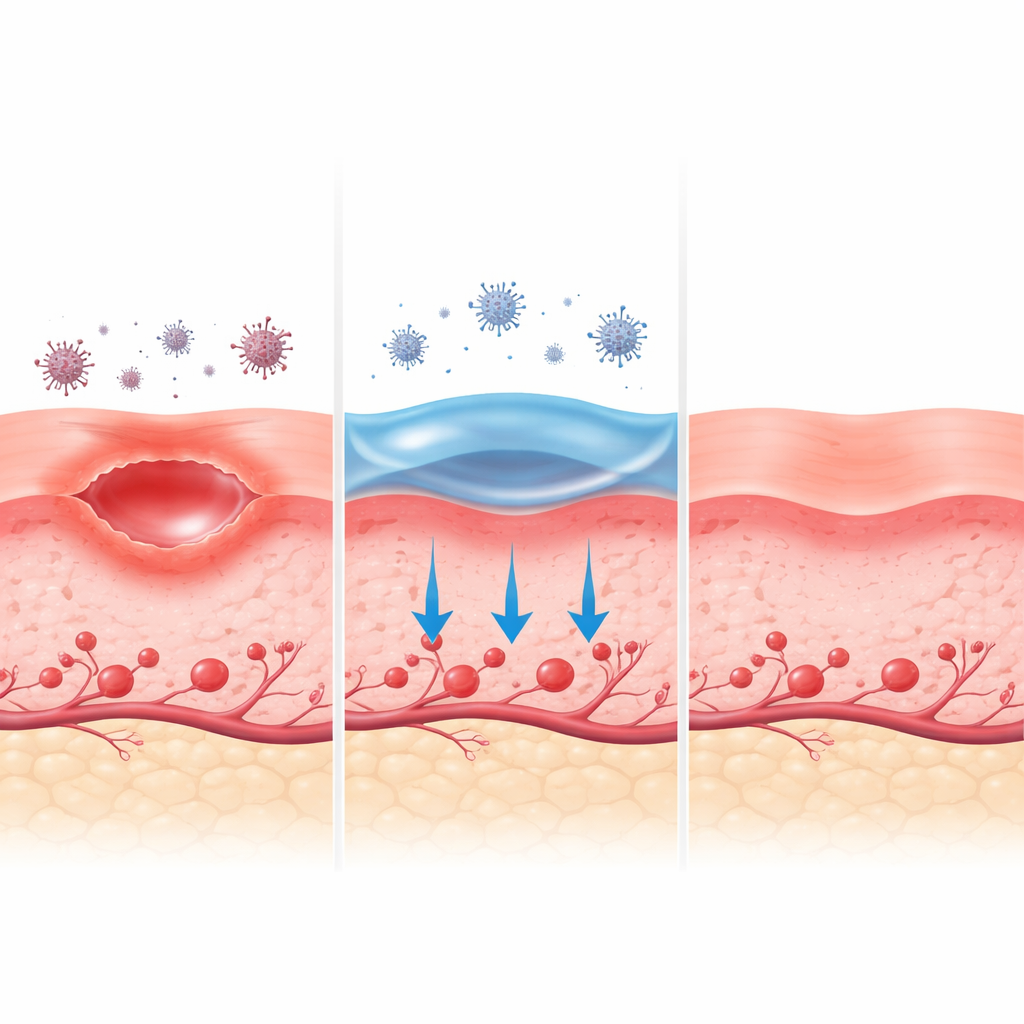
All three groups improved over time, but the erythropoietin gel clearly stood out. People using the gel reported sharp drops in pain as early as day three and had almost complete pain relief by day seven, along with much smaller or fully healed ulcers. Their saliva showed the largest decrease in IL‑2, suggesting that the local inflammation had been strongly quieted. The mouthwash group did somewhat better than placebo for pain but did not clearly beat it for ulcer size or long‑term recurrence. A key difference emerged over the following months: those who used the gel went a median of five months before another ulcer episode, while those using the mouthwash or placebo typically had new sores within about a month. No safety concerns or bothersome side effects were reported in any group.
Why the Gel Worked Better
The results highlight that how a medicine is delivered can be as important as the medicine itself. A rinse is quickly diluted and washed away by saliva, so the drug spends only a short time on the sore. In contrast, the mucoadhesive gel forms a protective coating that stays in place, acting like a reservoir that slowly releases erythropoietin into the damaged tissue. This gives the protein more time to calm the overactive immune response and support repair beneath the surface. The strong and sustained improvements in both symptoms and the saliva marker suggest that the gel may be reshaping the local environment in the mouth, not just numbing the pain.
Looking Ahead for People with Canker Sores
For patients who suffer frequent, painful mouth ulcers, this trial suggests that a simple erythropoietin gel could offer fast relief and longer breaks between outbreaks, without the infection and thinning‑of‑tissue risks that come with long‑term steroid use. While the study was relatively small and short, and future work must compare the gel directly with standard steroid treatments, the findings point to a promising new approach: a local, well‑tolerated gel that both soothes and heals, and may even help change the underlying pattern of disease rather than just treating each sore as it appears.
Citation: Elgendi, M.T., Hussein, R.R., Ragy, N. et al. Efficacy of topical erythropoietin gel and mouthwash for recurrent aphthous stomatitis in a randomized clinical trial. Sci Rep 16, 9339 (2026). https://doi.org/10.1038/s41598-026-40440-7
Keywords: canker sores, oral ulcer treatment, erythropoietin gel, mouth inflammation, salivary biomarkers