Clear Sky Science · en
Incarcerated geriatric patients’ experiences of aging and healthcare
Why this story behind bars matters
Across the United States, jails are housing more older adults than ever before. Many of these men and women live with multiple health problems, from heart disease to memory loss. This study pulls back the curtain on what it is like to grow old and seek medical help while locked in a county jail. By listening directly to older people who were sent from jail to a public hospital emergency department, the researchers reveal everyday struggles that most of us never see but that affect health, dignity, and basic safety.
Listening to older people in jail
The research team interviewed 20 people aged 50 and older who were being held in one large U.S. county jail and evaluated in the emergency department. All were men, with racial and ethnic backgrounds similar to the wider jail population, and most had several serious medical conditions. Using open-ended conversations rather than surveys, the team asked about growing older behind bars and about getting medical care while in jail. They then carefully reviewed and coded the transcripts to find recurring patterns and themes in what participants described.
Daily life in a hard-to-navigate place
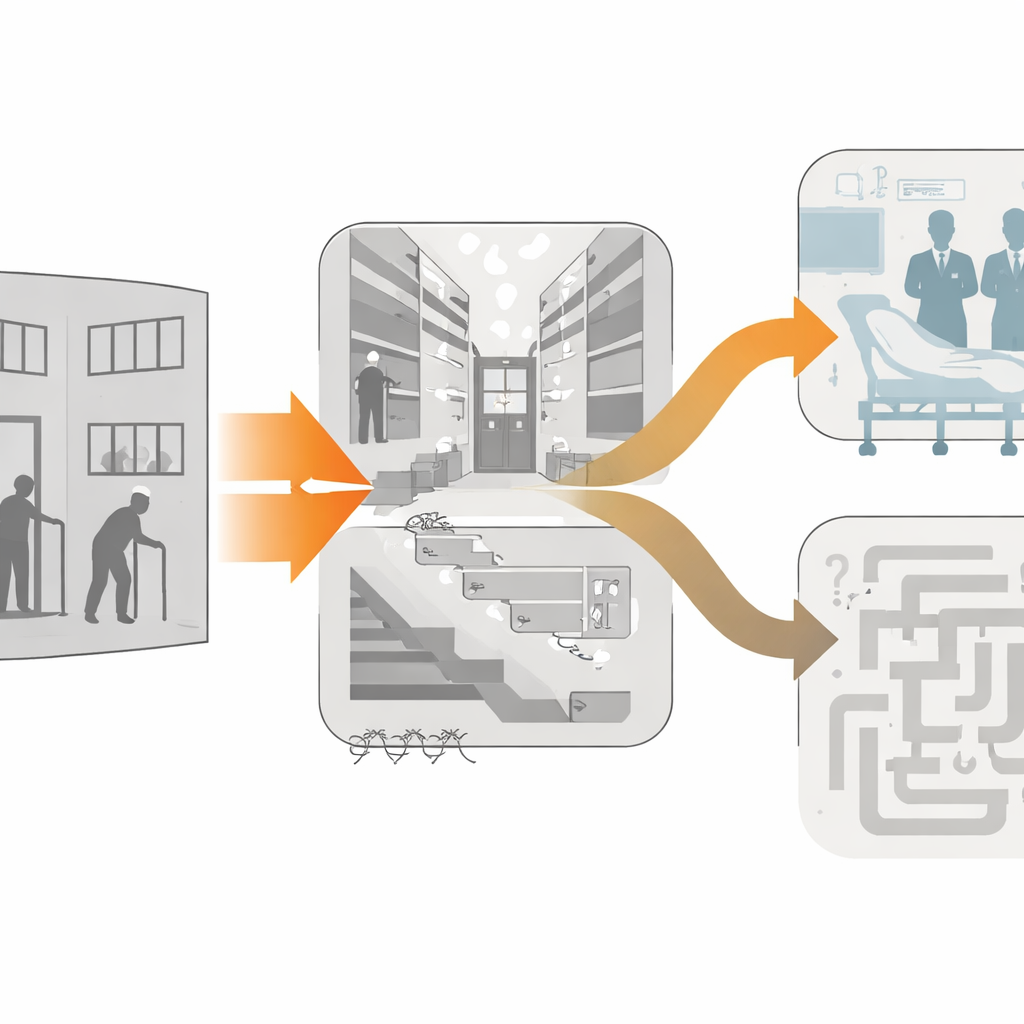
One major theme was how poorly the jail environment fit the needs of aging bodies and minds. Many participants had clear disabilities: vision loss that made it hard to read instructions, tremors that made it difficult to hold objects, or mobility problems that would normally call for walkers or other aids. Inside jail, these needs often went unmet. Something as basic as getting a safe place to sleep became a struggle, with older adults forced into top bunks or onto the floor despite having notes saying they should have lower bunks. Some described bullying from younger cellmates when they tried to claim safer spots. While a few accommodations existed—like allowing some people to sit during head counts or having meals brought to them—these were inconsistent and could backfire when food was stolen or support was not enforced.
Limited control over health and habits
Participants also described having little control over how they managed their own health. Regular exercise, fresh air, and healthy food were hard to come by, even for those who were motivated to stay well. Access to long-standing medications could be interrupted if the jail pharmacy did not stock them, leaving people worried about untreated conditions such as heart disease or mental illness. Everyday jail systems had gone digital: touch-screen kiosks and tablets were used for ordering items and requesting medical visits. For many older adults, especially those with little computer experience or poor eyesight, this technology became one more barrier. They often had to ask other inmates for help, which opened the door to exploitation, such as stolen account information or commissary funds.
Reaching help through confusion and doubt
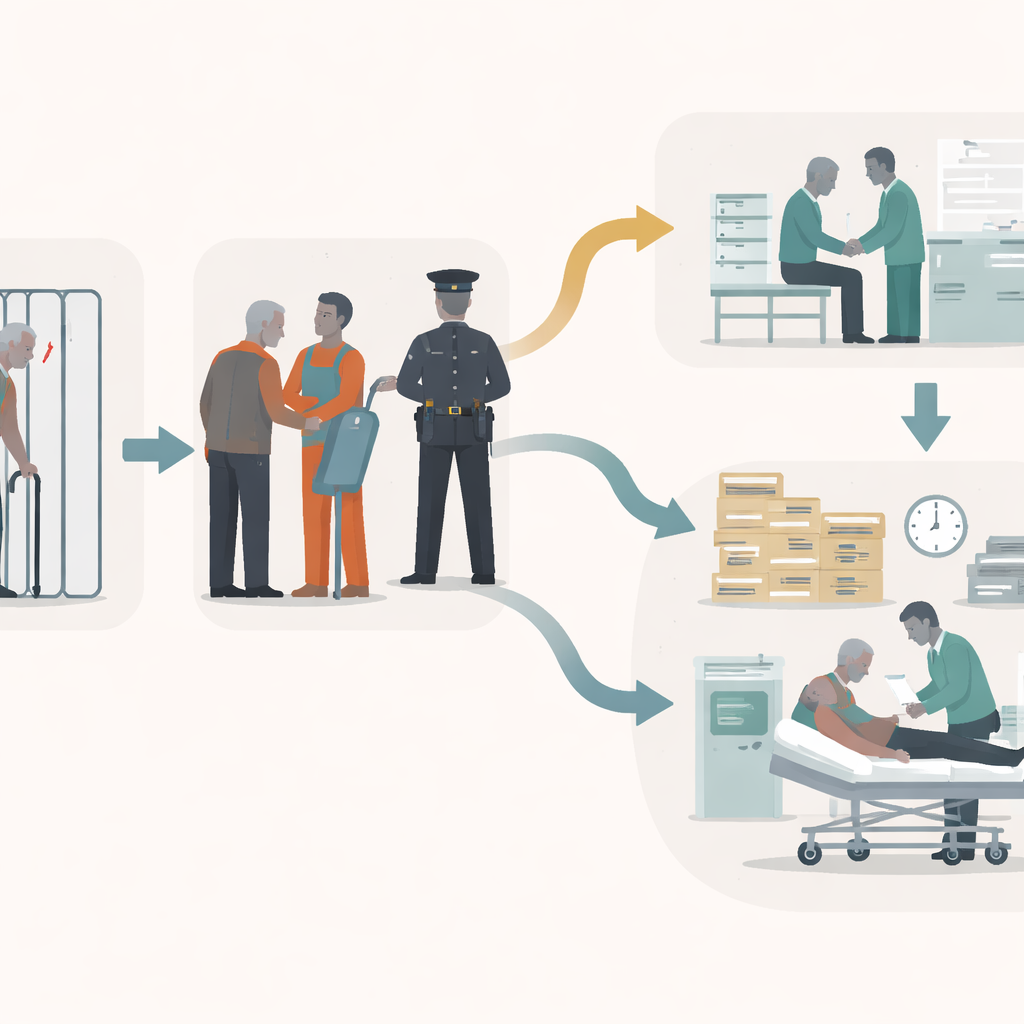
A second major theme was how confusing and uncertain it was to get medical attention when something went wrong. People gave conflicting descriptions of how to ask for help; some did not even know there was an on-site clinic. Kiosks were sometimes broken or too complicated. As a result, older adults often relied on informal workarounds: a kind officer who noticed their symptoms, a family member emailing jail staff, or sheer luck—such as being found after a fall only because staff entered the cell for someone else. On top of this confusion, layers of mistrust shaped every step. Some correctional and medical staff doubted the seriousness of complaints, in part because they were used to younger inmates exaggerating illness to get benefits. Older adults felt their real problems were brushed off, while they themselves doubted whether hurried jail clinicians were truly listening or examining them carefully.
What this means for aging with dignity in jail
This study paints a picture of older people in jail caught between fragile health and a system not designed for their needs. Aging bodies face steep stairs, unsafe beds, and complex technology, while the path to medical help is murky and dependent on chance encounters and individual goodwill. The authors argue that jails need age-friendly changes: simpler and more reliable ways to request care, better training for staff about aging and dementia, physical adaptations like safer bunks, and structured peer support rather than informal favors. Until such steps are taken—or alternatives to incarceration are more widely used—growing old behind bars will continue to mean facing illness and disability in an environment built for younger, healthier people.
Citation: Suh, M.I., Chen, S., Benavides, M. et al. Incarcerated geriatric patients’ experiences of aging and healthcare. Sci Rep 16, 9936 (2026). https://doi.org/10.1038/s41598-026-40298-9
Keywords: aging in jail, incarcerated older adults, correctional healthcare, healthcare access barriers, geriatric incarceration