Clear Sky Science · en
Concurrent Toxoplasma gondii infection and neuroinflammation in traumatic brain injury patients in a referral hospital in Douala Cameroon
Why a common parasite matters after head injuries
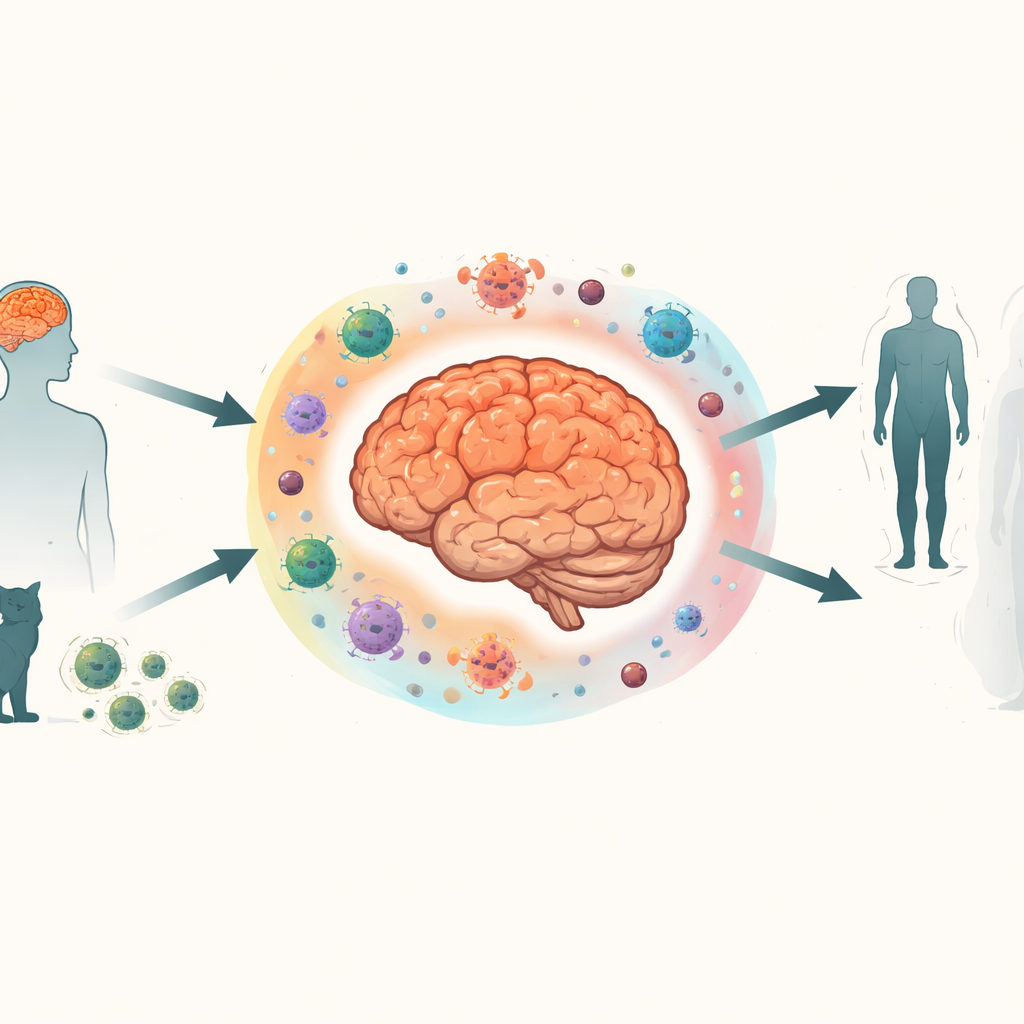
Head injuries from crashes, falls, and violence are a major cause of disability and death worldwide, especially in low‑ and middle‑income countries. At the same time, a tiny parasite called Toxoplasma gondii quietly infects about one in three people on Earth, often without any clear symptoms. This study asks a simple but important question: if someone with a serious head injury already carries this lifelong parasite, does it change the way their brain responds and recovers? The answer could shape how doctors assess risk and tailor care for patients after traumatic brain injury.
Head injuries and hidden infections in Cameroon
The research took place at Laquintinie Hospital in Douala, Cameroon, a large referral center that treats many trauma patients. Over 13 months, the team followed 160 people who arrived at the hospital within 24 hours of a mild to severe traumatic brain injury, plus 15 healthy volunteers for comparison. Most patients were young men between 15 and 45 years old, reflecting the reality that road traffic crashes and other injuries hit working‑age adults hardest. Blood samples were collected soon after admission to measure both the presence of past T. gondii infection and the levels of five signaling proteins, or cytokines, that are involved in inflammation in the body and brain.
Measuring the body’s alarm signals
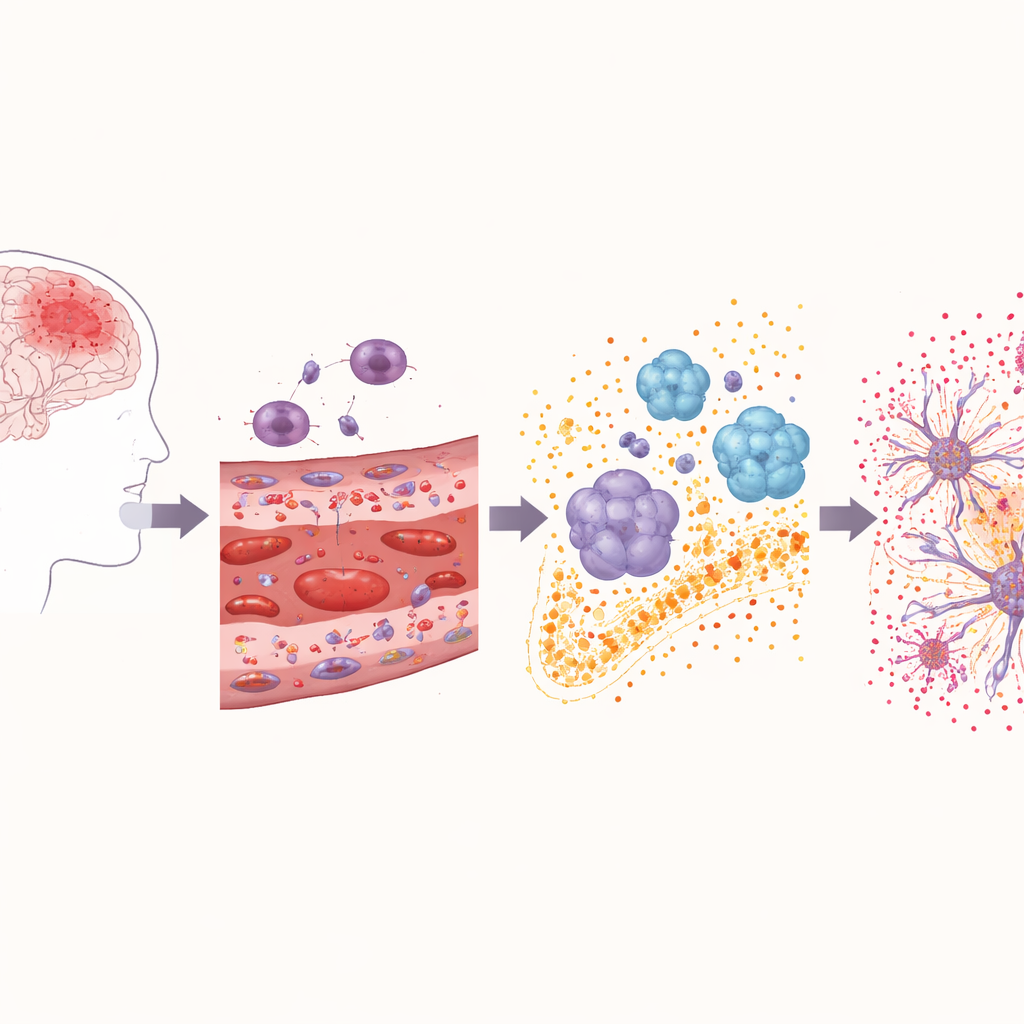
Inflammation is the body’s alarm system: it calls immune cells to sites of damage or infection. After a serious blow to the head, this reaction can help clean up debris and start repair, but if it is too strong or too long‑lasting, it can damage brain cells and worsen outcomes. The researchers focused on five cytokines often linked to brain inflammation: IL‑1β, IL‑6, IL‑10, interferon‑gamma, and TNF‑α. Compared with healthy volunteers, patients with brain injuries had sharply higher levels of all five markers in their blood, indicating a strong inflammatory response after trauma. These elevated levels did not clearly track with how severe the injury looked at the bedside or on brain scans, but they confirmed that inflammation is a central feature of traumatic brain injury in this setting.
A common parasite turns up the heat
About one‑third of the injured patients—52 out of 160—had evidence of past T. gondii infection. This parasite is usually picked up from contaminated food, water, or contact with cats, and then persists silently in the brain and other tissues for years. When the scientists compared patients with and without this infection, they found that those carrying T. gondii generally had higher inflammatory markers, and the differences were especially strong for IL‑1β and TNF‑α. Infected patients showed many more values above 30 pg/mL for IL‑1β and 90 pg/mL for TNF‑α than uninfected patients. This suggests that the parasite may “prime” the immune system, so that a later brain injury triggers a more intense inflammatory surge.
Links to recovery and the limits of the data
The team then looked at how these patterns related to recovery six months after injury, using a standard scale that groups patients into good recovery, moderate disability, severe disability, or death. Overall, single measurements of cytokines taken within 24 hours did not reliably predict who would do well and who would not. However, among patients who were T. gondii‑positive, those with especially high IL‑1β and TNF‑α levels were more likely to have unfavorable outcomes. Patients who died tended to have higher IL‑6, interferon‑gamma, and TNF‑α levels than survivors, and within the infected subgroup, IL‑1β and TNF‑α were again higher in those who did not survive. Still, because the study included a modest number of patients and measured inflammation only once, these links did not always reach strong statistical proof.
What this means for patients and future care
For lay readers, the core message is that a silent, lifelong infection with a common parasite can amplify the inflammatory storm that follows a serious head injury, especially by boosting two powerful alarm molecules, IL‑1β and TNF‑α. In this study, that extra inflammatory push did not clearly translate into worse outcomes across the board, but it showed trends toward more complications and deaths in infected patients. The authors argue that larger, multi‑center studies that follow patients over time—and that also sample the fluid around the brain, not just blood—are needed to confirm how much this parasite shapes brain damage and recovery. If the link is confirmed, testing for T. gondii could eventually help doctors in resource‑limited settings better gauge risk, personalize monitoring, and perhaps one day target inflammation more precisely after traumatic brain injury.
Citation: Buh, F.C., Taiwe, G.S., Maas, A.I.R. et al. Concurrent Toxoplasma gondii infection and neuroinflammation in traumatic brain injury patients in a referral hospital in Douala Cameroon. Sci Rep 16, 13308 (2026). https://doi.org/10.1038/s41598-026-40284-1
Keywords: traumatic brain injury, Toxoplasma gondii, brain inflammation, cytokines, Cameroon