Clear Sky Science · en
Prevalence and genetic characterization of methicillin-resistant Staphylococcus aureus in Commercial aquaculture farms in Egypt
Why Germs in Farmed Fish Matter to You
Fish and shrimp from farms are an increasingly important source of affordable protein worldwide, including in Egypt. But the same warm, nutrient-rich ponds that grow seafood can also nurture harmful bacteria, especially when antibiotics are used. This study explores whether a dangerous type of bacterium, methicillin-resistant Staphylococcus aureus (MRSA), is quietly circulating in Egyptian aquaculture farms, their waters, and the people who work there—and what that might mean for food safety and human health.
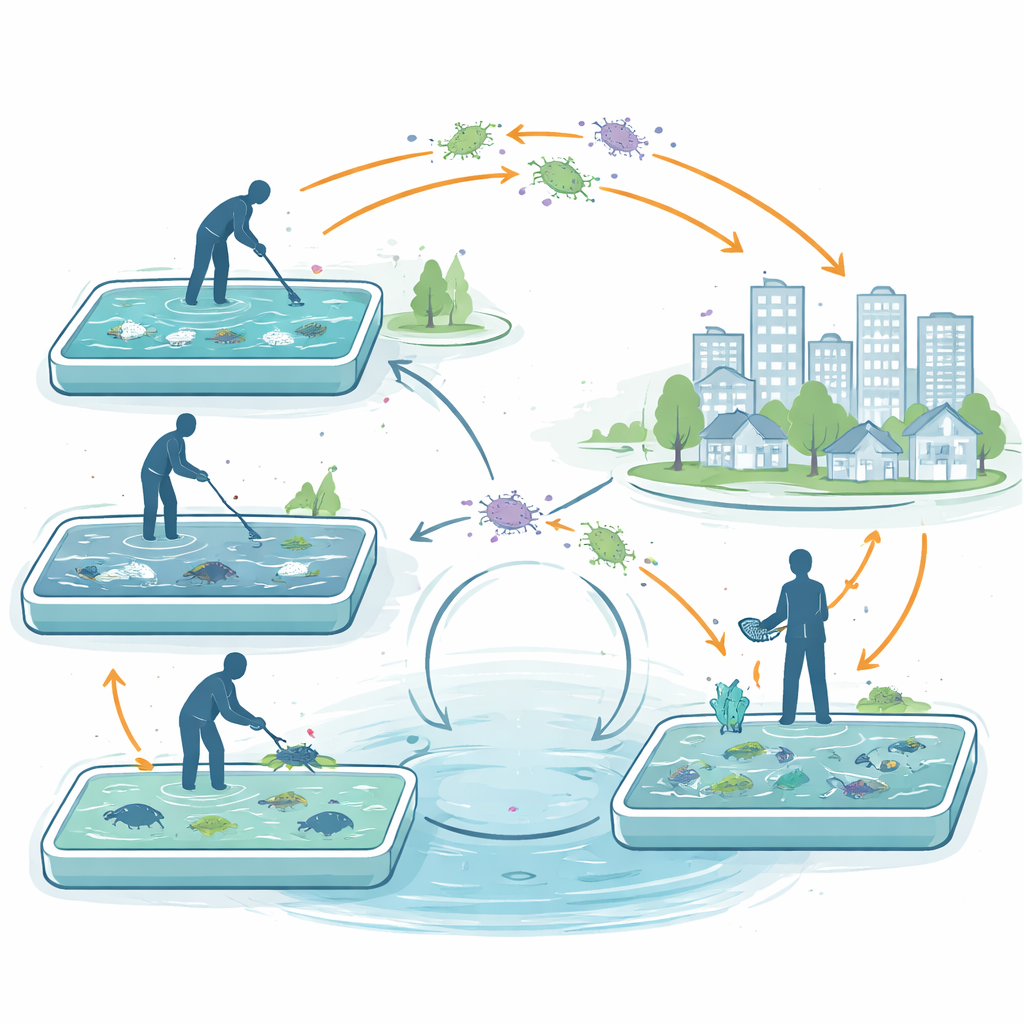
Fish Farms as Hidden Microbe Hubs
The researchers focused on three commercial farms in Egypt’s Damietta Governorate along the Mediterranean coast: one raising shrimp, one marine fish such as sea bass and sea bream, and one freshwater species like catfish and tilapia. From late 2022 to mid-2023, they collected over 500 samples: fish and shrimp tissues, swabs from skin, gills and mouths, pond water, and hand and nose swabs from farm workers. These samples were brought to the lab, where the team isolated Staphylococcus aureus, a bacterium that can cause skin infections, food poisoning, and more serious disease, especially when it becomes resistant to antibiotics.
Tracking a Tough Bacterium
Once suspect colonies were grown on selective plates, the scientists used a suite of modern tools to identify and characterize them. A mass spectrometry method confirmed which colonies were S. aureus. A rapid lateral flow test looked for the key resistance machinery that makes MRSA hard to treat. Finally, DNA microarrays—chips carrying hundreds of genetic probes—revealed which resistance genes and virulence factors each strain carried, and grouped them into genetic families known as clonal complexes. This combination allowed the team to see not only whether MRSA was present, but also which lineages were circulating and how dangerous they might be.
What Was Found in Fish, Water, and Workers
Out of 509 specimens, 60 S. aureus strains were recovered, and most (46) were MRSA. These bacteria were not confined to one corner of the farms: they appeared in shrimp, marine fish, freshwater fish, pond water, and especially in farm workers. For example, MRSA was found in around 9% of marine fish and 7% of freshwater fish, and more than 40% of workers in shrimp and marine farms carried MRSA on their hands or in their noses. Four major MRSA genetic families (called CC88, CC361, CC15, and CC152) and two methicillin-sensitive families (CC1 and CC361) were identified. Many strains carried multiple resistance genes, making them capable of surviving several different antibiotics, and also possessed genes that help them damage host cells or stick to tissues and form protective biofilms.
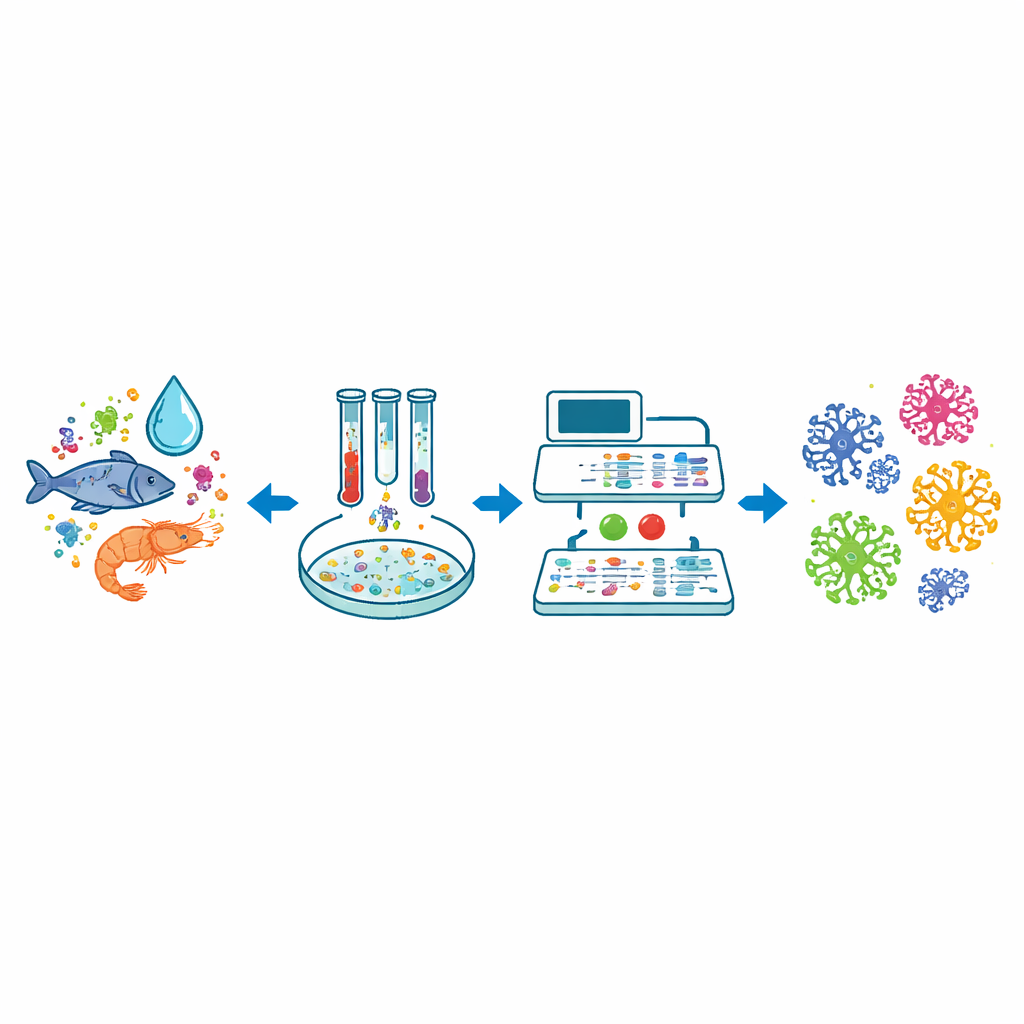
Strains with Food Poisoning Potential
Not all S. aureus are equal in their ability to cause disease. Some produce toxins that can trigger rapid-onset food poisoning if contaminated seafood is mishandled or not cooked thoroughly. In this study, many MRSA strains had relatively few of the classic food poisoning toxin genes, but two lineages stood out. Strains from clonal complex 361 carried a cluster of enterotoxin genes that have been linked to outbreaks even when traditional toxins are missing. Another lineage, CC1, consistently carried enterotoxin H, a toxin known from milk- and food-borne illness. At the same time, all major lineages harbored genes for potent cell-damaging proteins and enzymes, and almost all were equipped with adhesion and biofilm genes that help them persist in hosts and the environment.
What This Means for Seafood and People
The picture that emerges is of aquaculture ponds acting as meeting points where human-associated MRSA strains and aquatic environments intersect. The genetic fingerprints of the dominant clones suggest they likely originated in people or livestock and then spilled over into fish, shrimp, and farm waters, rather than evolving there independently. This creates a two-way risk: workers can seed resistant bacteria into ponds, and contaminated seafood or water could help spread these strains back to broader communities. The authors conclude that Egyptian fish and shrimp farms can serve as reservoirs and conduits for multi-drug-resistant S. aureus, underscoring the need for routine MRSA monitoring, stricter hygiene and water management, and more cautious use of antibiotics. By viewing aquaculture through a “One Health” lens that links human, animal, and environmental health, policymakers and producers can reduce the chances that tomorrow’s seafood carries tomorrow’s superbugs.
Citation: El-Ashker, M., Monecke, S., Gwida, M. et al. Prevalence and genetic characterization of methicillin-resistant Staphylococcus aureus in Commercial aquaculture farms in Egypt. Sci Rep 16, 12026 (2026). https://doi.org/10.1038/s41598-026-40144-y
Keywords: aquaculture, MRSA, Staphylococcus aureus, antimicrobial resistance, seafood safety