Clear Sky Science · en
Trauma-informed queer pedagogy in vulnerable contexts: a phenomenological inquiry
Why this story matters
For many students, college is supposed to be a place of discovery and growth. But for queer students in conservative Indian universities, classrooms can feel more like minefields than safe havens. This study listens closely to those students’ own stories, showing how daily lessons, hostel rules, and silent curricula can quietly damage mental health—or, when handled differently, become spaces of healing and affirmation. It offers a rare, ground-level view of what safety, fear, and belonging really look like on campus, and what it would take to build kinder classrooms.
Life on campus under constant watch
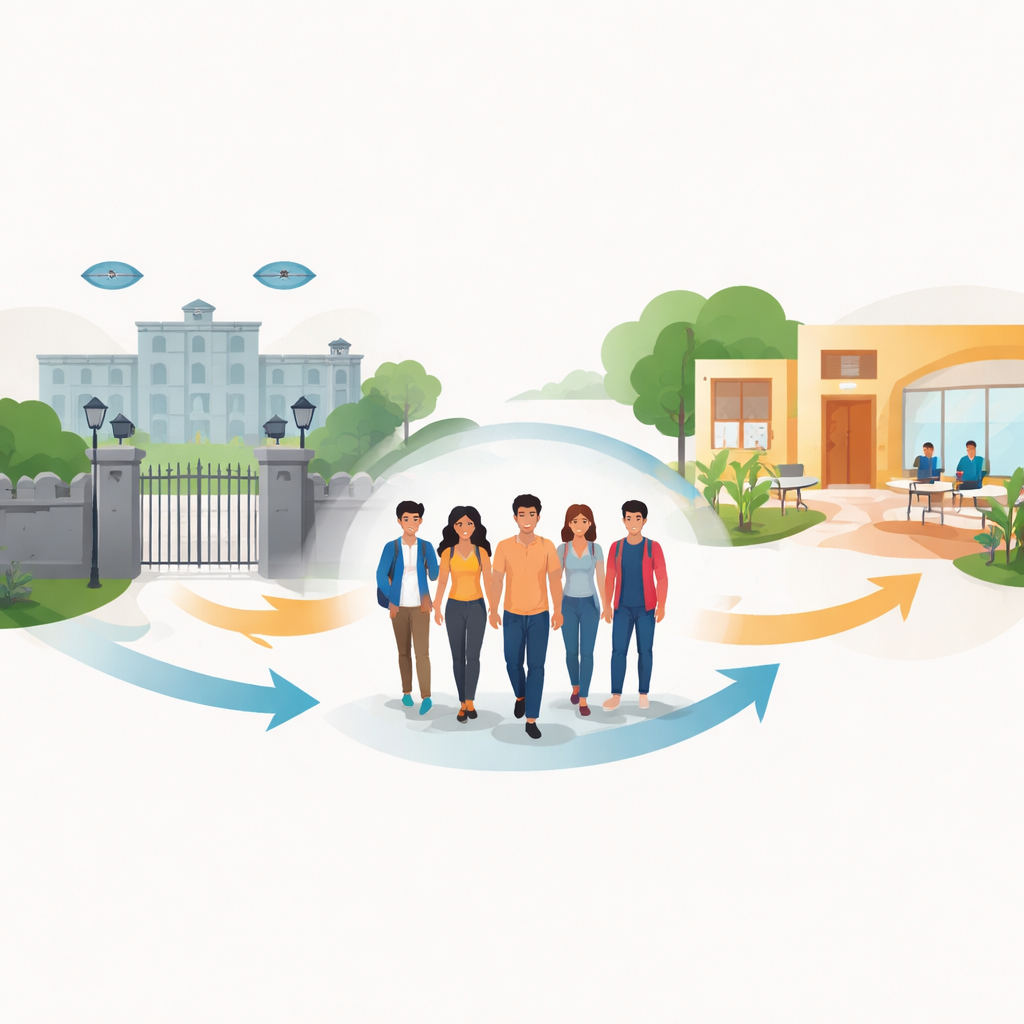
The research follows thirteen queer students, aged 19 to 24, studying in conservative or religiously affiliated colleges and universities across southern and other parts of India. In these settings, straight and cisgender identities are treated as the unspoken norm. Students described living with ongoing hypervigilance—a constant scanning of who is in the room, what might be said, and how much of themselves they can safely show. Many spoke of “living under a microscope,” where a slip in clothing, voice, or gesture could draw unwanted attention. This pressure did not flare up only in crises; it seeped into ordinary lectures, hostel corridors, and campus events, steadily draining the energy they needed to learn.
When silence becomes a form of harm
One of the most painful experiences these students reported was not open hostility but silence. Courses, including those in psychology and the humanities, routinely left out queer people’s lives, histories, and ideas. When teachers avoided or brushed past queer topics, students felt not just overlooked but erased. This absence was experienced as a kind of slow, grinding harm—“a death by a thousand cuts”—that signaled whose lives counted as legitimate knowledge. At the same time, rare moments of recognition, such as a guest lecture that mentioned queer authors or a small reading group that felt welcoming, stood out sharply. These brief “islands of safety” showed how even small shifts in content and tone could ease fear and invite fuller participation.
Hidden selves and quiet survival strategies
To get through their degrees, most participants carefully split their lives in two: a campus self built to pass inspection, and a more authentic self reserved for trusted friends, online spaces, or private writing. This constant performance—choosing words, clothes, and expressions to avoid suspicion—was exhausting. Students turned to a range of coping tactics: some threw themselves into studies, others sought comfort in online communities or creative outlets, and many built small, secret support circles with other queer students. These strategies were rarely about changing the system; they were about staying afloat within it. Yet they also showed a form of quiet strength, as students carved out small sanctuaries of care and solidarity where institutions offered little.
Unequal risks and small acts of resistance
The study also shows that queer students do not all face the same risks. Caste, class, religion, region, and hostel rules shape who is watched more closely and who has access to support. Dalit and Other Backward Classes students, for example, often felt they faced “double stigma” and had fewer safe people or places to turn to. Hostels with strict gender divisions, curfews, and heavy surveillance extended fear beyond the classroom. Within these constraints, some students still found ways to push back: asking subtle questions in class, gently reframing examples, or informally mentoring younger students. These small, coded acts of resistance helped them reclaim intellectual space and build fragile, but vital, networks of care.
Imagining kinder classrooms and campuses
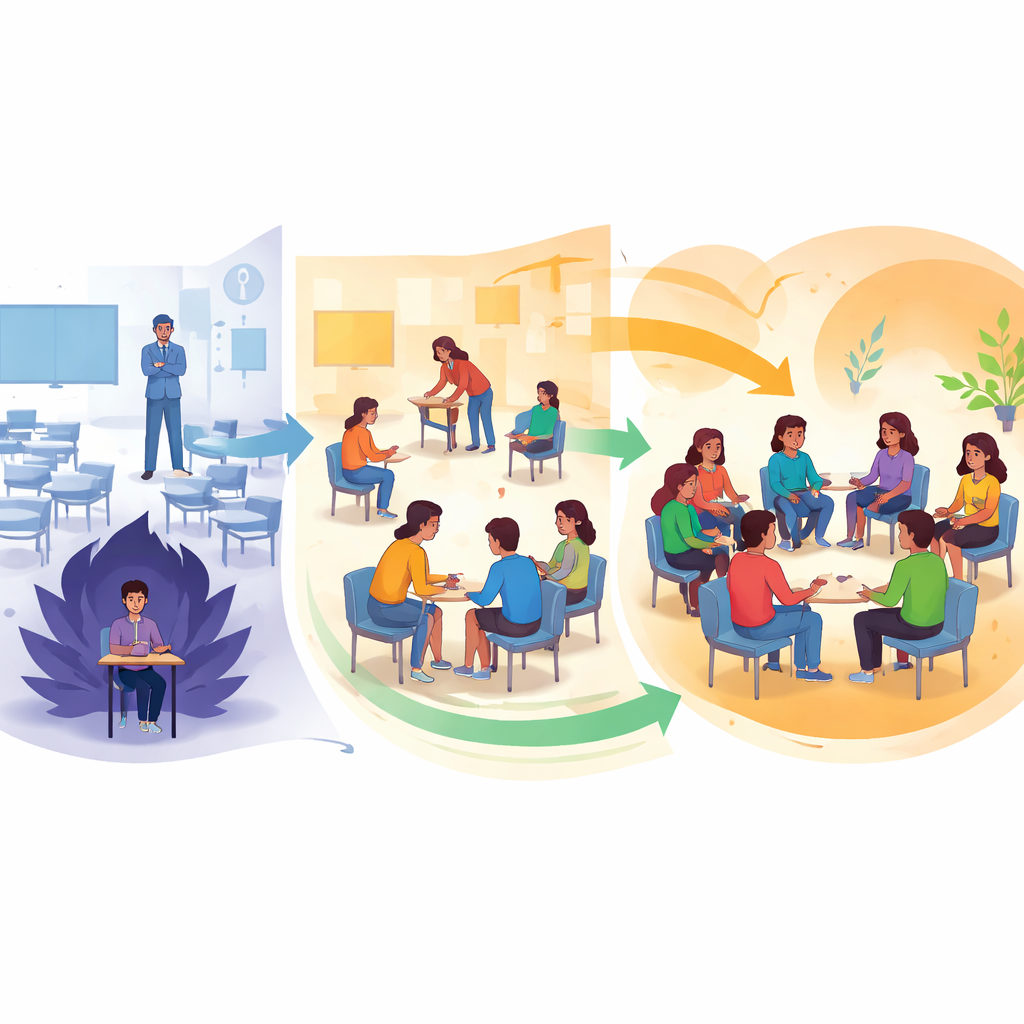
From these lived experiences, the paper sketches a vision of trauma-informed, queer-affirming education in India. This does not just mean adding a lecture on LGBTQ+ issues or holding a one-off workshop. Instead, it calls for deep changes in what is taught, how it is taught, and how power is used. Teachers can help by openly acknowledging diversity, using examples that include queer lives, setting clear ground rules for respectful discussion, and offering flexible, transparent ways to participate and be assessed. Institutions, in turn, must back this up with clear anti-discrimination policies, safer housing and grievance systems, and mental health services that understand queer realities. The study argues that for queer students in conservative settings, such changes are not optional extras but ethical necessities: without them, the very places meant to foster learning continue to produce harm. With them, campuses can begin to offer queer students not just survival, but the chance to learn and belong without living in hiding.
Citation: David, S. Trauma-informed queer pedagogy in vulnerable contexts: a phenomenological inquiry. Sci Rep 16, 9073 (2026). https://doi.org/10.1038/s41598-026-40063-y
Keywords: queer students, Indian higher education, trauma-informed teaching, campus climate, LGBTQ+ wellbeing