Clear Sky Science · en
Association of statin therapy on acute ischemic stroke patients with atrial fibrillation: insights from a nationwide cohort study
Why this study matters for stroke survivors
Many people who suffer a stroke also have an irregular heart rhythm called atrial fibrillation. Doctors already know that cholesterol‑lowering drugs known as statins can protect against future heart and blood vessel problems, but it has been unclear whether they help this particular group of stroke patients who do not have obvious artery disease. This large nationwide study from Korea examines whether starting statins soon after such a stroke is linked to better survival and fewer serious brain and heart complications.
Who was studied and what was checked
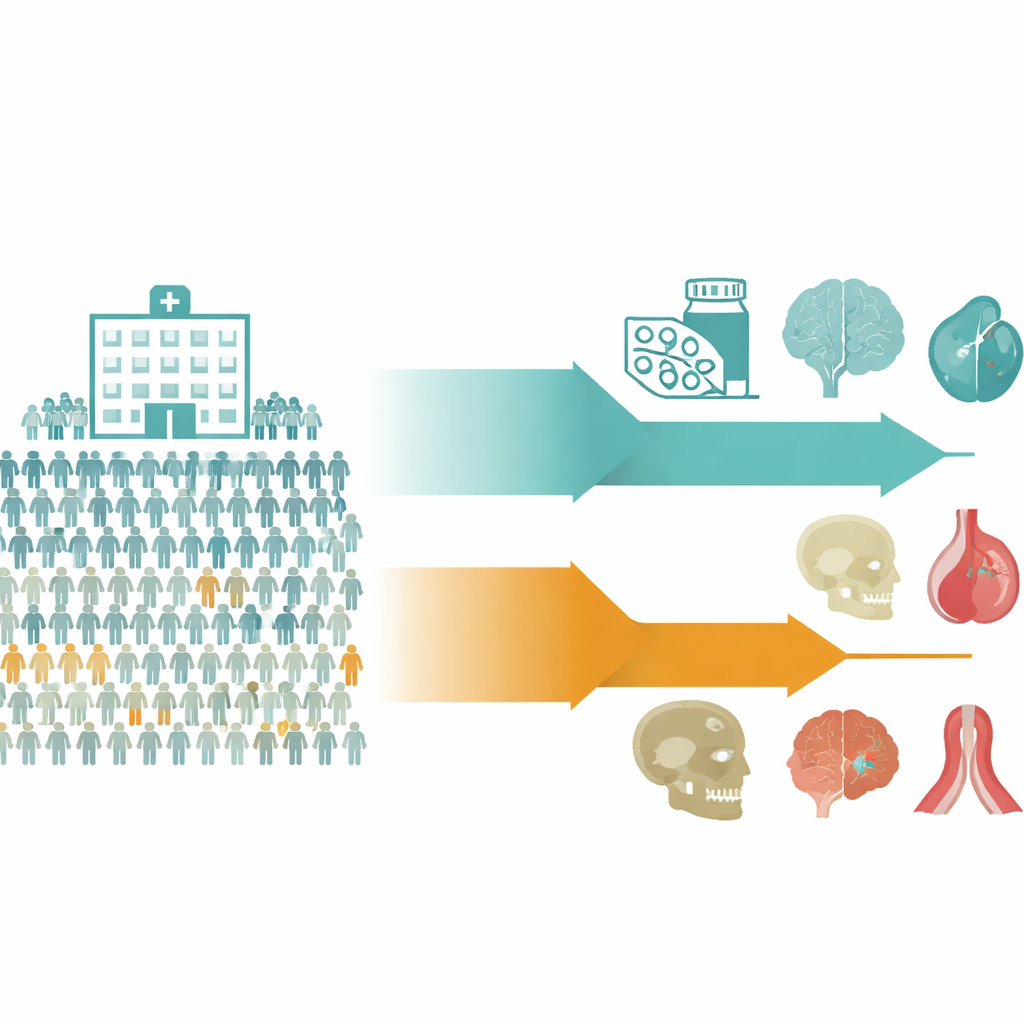
The researchers used Korea’s National Health Insurance database, which tracks nearly all hospital visits and prescriptions in the country. They focused on more than 64,000 adults who were hospitalized between 2011 and 2023 with an acute ischemic stroke or a brief stroke‑like episode, and who also had atrial fibrillation. None of these patients had a previous diagnosis of major artery disease that would already require statins, and none were taking statins when they arrived at the hospital. The team compared people who were started on statins within a week of their stroke and continued them after discharge with those who did not receive any statin prescription.
How the comparison was made fair
Because this was not a randomized trial, patients given statins could differ in important ways from those who were not. To reduce this bias, the investigators used statistical matching methods to pair patients with similar ages, medical histories, stroke treatments, and overall stroke‑related risk scores. They then followed everyone for one year, checking for a combined outcome that included death, another clot‑related event such as a new stroke or body‑wide blockage, bleeding in the brain, or a heart attack. Each of these events was also examined on its own.
What the study found about risks and benefits
Starting statins soon after the stroke was linked to clearly better outcomes. Over the first year, patients on statins had about an 18 percent lower risk of experiencing one of the serious combined events compared with those not on statins. The reduction in risk was even larger for death alone—about 25 percent lower—and there were meaningful drops in the chance of another clot‑related stroke or body‑wide blockage, as well as bleeding in the brain. Interestingly, the rate of heart attacks did not differ much between the two groups, suggesting that the main gains were in overall survival and brain‑related events rather than heart attacks specifically.
Do dose or drug type make a difference?
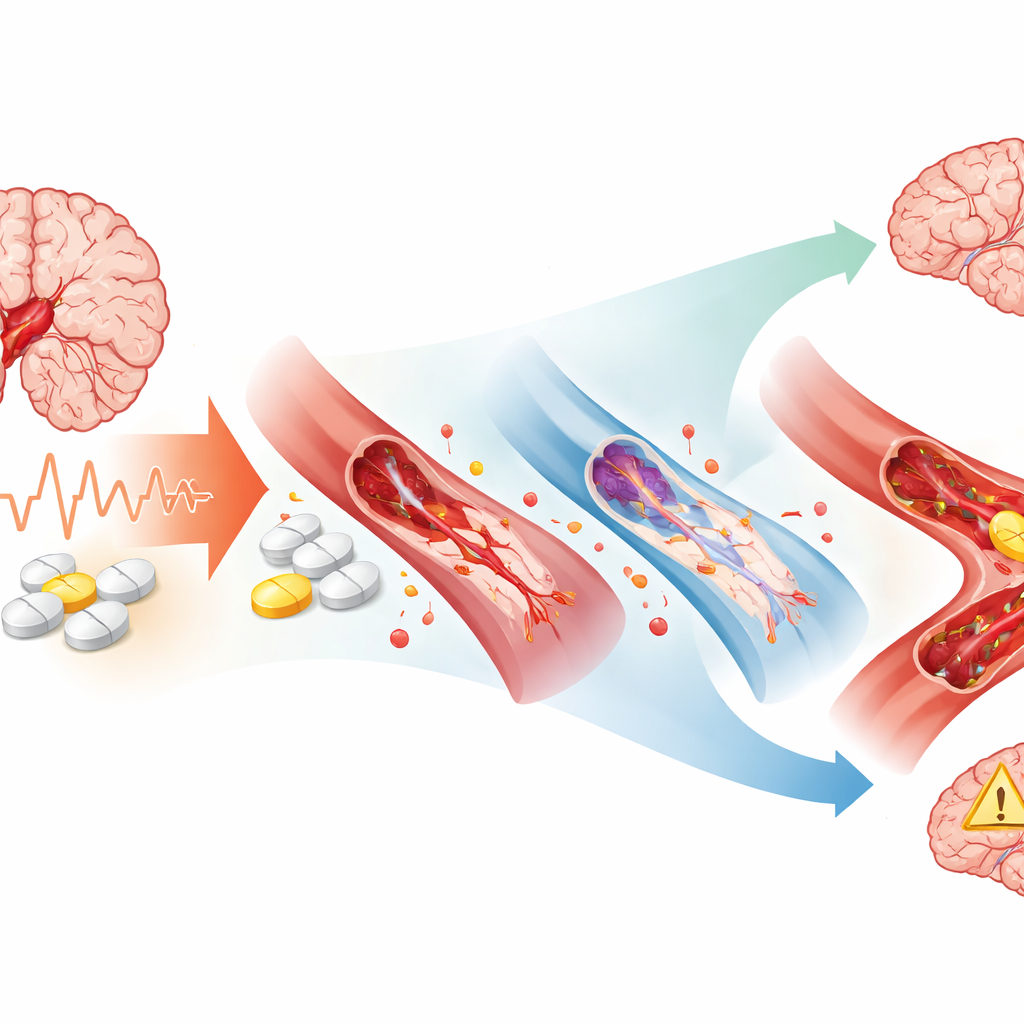
The study also explored whether taking a higher dose of statins, combining statins with another cholesterol‑lowering drug called ezetimibe, or choosing between two commonly used statins changed outcomes. In this real‑world group, stronger statin doses did not improve results and were actually linked to slightly higher rates of combined events and death, though this may reflect that doctors reserved high doses for sicker patients. Adding ezetimibe was associated with somewhat lower death rates but higher risks of new clots and brain bleeding, and overall did not improve the combined outcome. The specific statin chosen—atorvastatin or rosuvastatin—did not meaningfully change one‑year results.
What this means for patients and next steps
For people who have an ischemic stroke while living with atrial fibrillation but without known major artery disease, this study suggests that starting a statin early in the hospital stay is linked to better survival and fewer serious brain complications over the following year. The findings support current practice guidelines that recommend statins for most stroke patients, regardless of the stroke’s exact cause. Because this research relied on insurance records rather than a randomized trial, it cannot prove cause and effect, and factors like how faithfully patients took their medicines were not captured. Still, the sheer size of the study and careful matching methods make the results compelling and point to the need for dedicated clinical trials to confirm how best to use statins in this high‑risk group.
Citation: Kim, H., Min, S.H., Kim, JM. et al. Association of statin therapy on acute ischemic stroke patients with atrial fibrillation: insights from a nationwide cohort study. Sci Rep 16, 10080 (2026). https://doi.org/10.1038/s41598-026-40042-3
Keywords: statins, ischemic stroke, atrial fibrillation, vascular risk, stroke prevention