Clear Sky Science · en
Effects of leonurine supplementation during in vitro culture on oxidative stress, cell proliferation, apoptosis, and autophagy in bovine embryos
Helping Cow Embryos Thrive in the Lab
Producing cow embryos in the lab is now routine in modern cattle breeding, but these tiny beginnings of life do not always fare well outside the body. One hidden culprit is a kind of chemical wear and tear called oxidative stress, which can damage cells before they ever reach the womb. This study tests whether a plant‑derived compound called leonurine can act like a protective shield for bovine embryos grown in a dish, improving their chances of developing into healthy blastocysts that could one day support stronger, more fertile herds.
Why Embryos Struggle Outside the Body
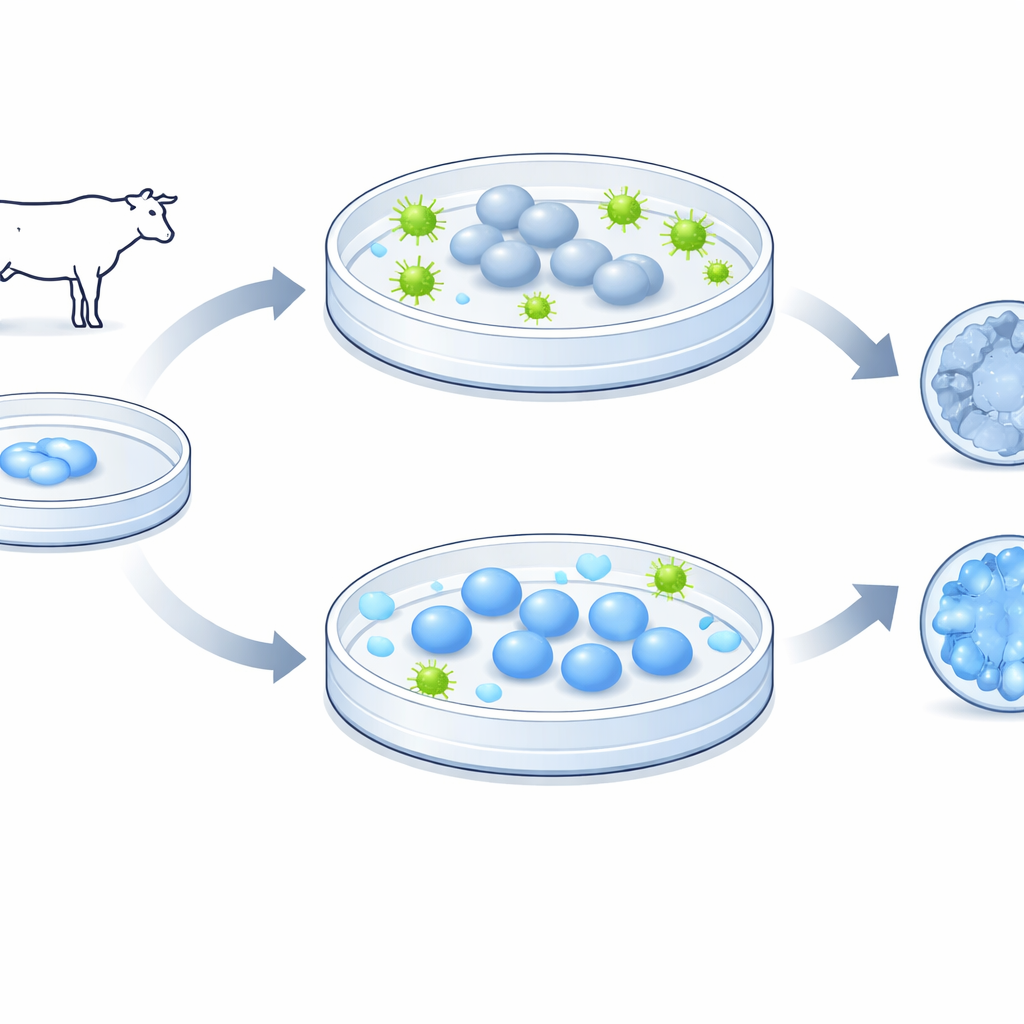
In nature, early embryos develop inside the mother’s reproductive tract, where they are cushioned by carefully balanced hormones and natural protective molecules. In contrast, embryos grown in vitro—inside plastic dishes—face a harsher environment. One major problem is the buildup of reactive oxygen species, highly reactive molecules that form as a by‑product of normal metabolism but can spiral into oxidative stress when not kept in check. Excessive oxidative stress can damage fats, proteins, and DNA, trigger programmed cell death, and push cells into self‑destruct cleanup pathways, all of which reduce embryo quality and the likelihood of a successful pregnancy.
A Plant Molecule Put to the Test
Leonurine is a natural compound extracted from Chinese Motherwort, long studied for its protective effects in heart and other tissues. Previous work in pigs and cattle suggested that adding leonurine during egg maturation or early embryo culture can lower oxidative damage and support better development. In this study, the researchers focused specifically on the culture phase of bovine embryos after fertilization. They first tested several doses and found that 20 micromolar leonurine gave the best results: higher blastocyst formation rates than either lower or higher doses, which at stronger levels even became harmful. Using this optimal dose, they compared hundreds of embryos grown with or without leonurine under otherwise identical lab conditions.
Stronger, More Populated Embryos
When the embryos reached the blastocyst stage, the team examined how many cells they contained and how those cells were distributed. Embryos grown with leonurine produced more advanced blastocysts and had significantly more cells both in the inner cluster that will form the fetus and in the outer layer that later forms the placenta. Markers of cell division showed that a greater fraction of cells in the treated embryos were actively proliferating, and genes linked to maintaining a flexible, stem‑like state (often associated with better developmental potential) were more active. Together, these findings indicate that leonurine‑exposed embryos were not only more numerous but also more robust in their basic architecture.
Less Damage and Less Cellular Self‑Destruction
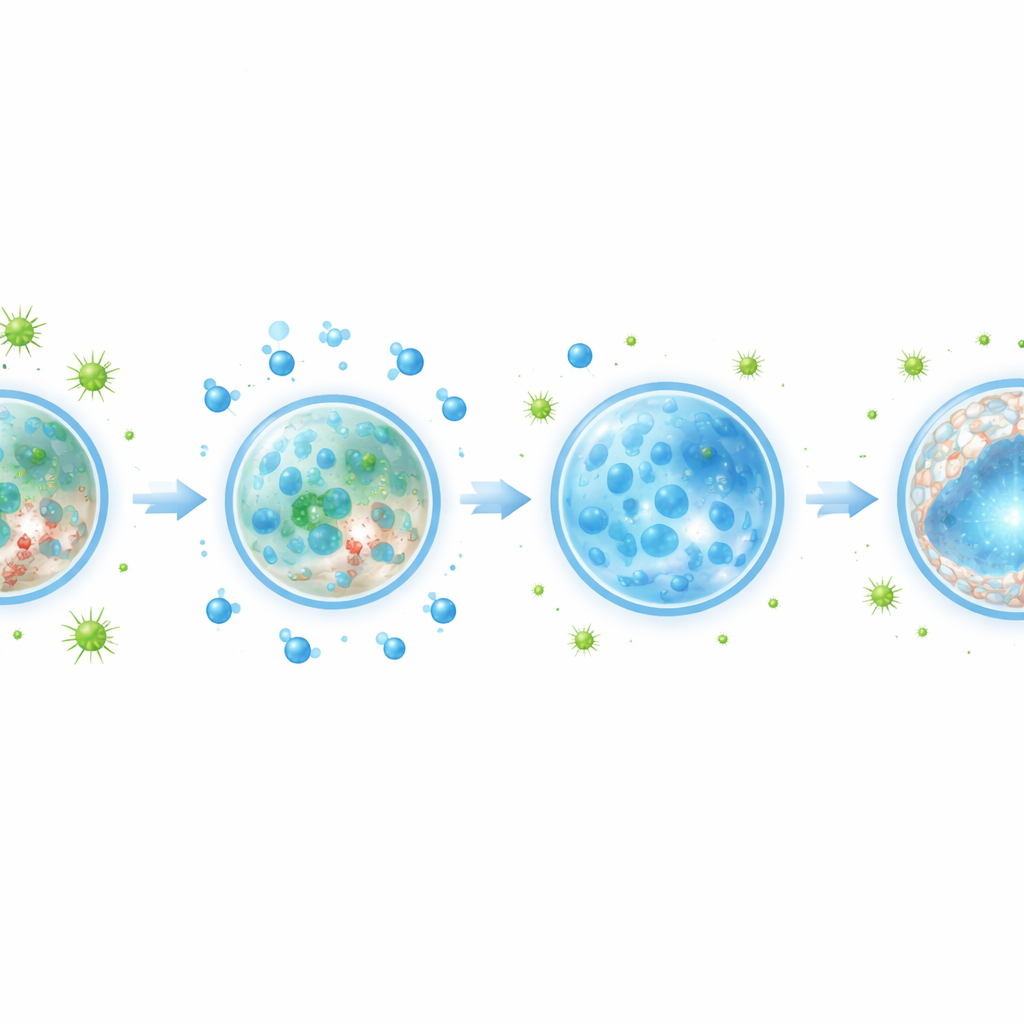
The investigators then asked whether these healthier embryos were experiencing less stress. Fluorescent probes revealed that embryos grown with leonurine had roughly half the levels of reactive oxygen species compared with controls, while levels of glutathione—a key natural antioxidant—were markedly higher. Correspondingly, genes that help neutralize damaging molecules were switched on more strongly in the treated group. At the same time, there were fewer cells undergoing programmed cell death, and the overall proportion of dying cells within each blastocyst dropped. Signals associated with cellular self‑digestion pathways were also reduced, both at the protein level and in the activity of key autophagy genes, suggesting that leonurine allowed more cells to remain healthy rather than being lost.
What This Means for Cattle Breeding
By adding a carefully chosen dose of leonurine to the culture medium, the researchers were able to grow more bovine blastocysts that contained more cells, divided more actively, and showed fewer signs of oxidative damage, cell death, and self‑clearance. Put simply, leonurine helped embryos weather the stresses of life in a dish. While these experiments were done entirely in vitro, the results suggest that fine‑tuning culture conditions with targeted antioxidants could boost the efficiency and reliability of embryo technologies used in modern cattle breeding. Healthier embryos at this earliest stage may ultimately translate into better pregnancy rates and more productive herds.
Citation: Alkan, H., Satilmis, F., Deniz, Y.E. et al. Effects of leonurine supplementation during in vitro culture on oxidative stress, cell proliferation, apoptosis, and autophagy in bovine embryos. Sci Rep 16, 10091 (2026). https://doi.org/10.1038/s41598-026-39889-3
Keywords: bovine embryos, oxidative stress, leonurine, in vitro culture, antioxidants