Clear Sky Science · en
A comparative anti-proliferative and immunomodulatory analysis in wild and lab-acclimatized seaweed extracts unravel the functional biopotentials of Acrosiphonia orientalis
Seaweed as a Future Health Food
Many people know seaweed from sushi or coastal cuisines, but scientists are now exploring it as a source of gentle, natural compounds that might help protect our health. This study looks at a green seaweed called Acrosiphonia orientalis and asks a practical question: can seaweed grown in tanks under controlled conditions be as biologically powerful as seaweed collected from the wild? The answer matters for turning ocean plants into reliable ingredients for functional foods and future therapies against diseases such as cancer.
Two Ways to Grow the Same Seaweed
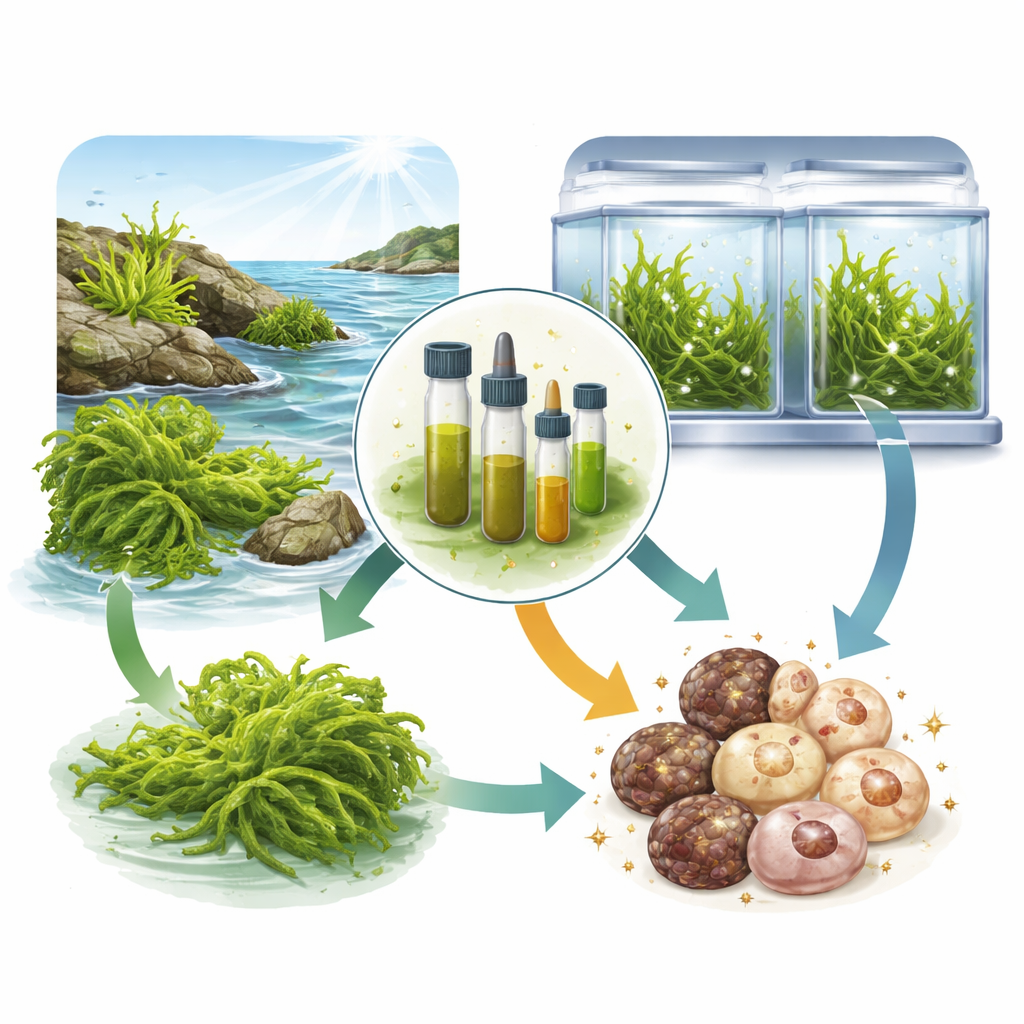
The researchers compared two versions of the same species. One was gathered directly from the seashore, exposed to changing light, waves, and nutrients. The other was moved into glass tanks in the laboratory and gradually adapted to steady temperature, lighting, and nutrient supplies over several months. Both batches were dried and extracted with a water–alcohol mix to pull out sugars, pigments, fats, and other small molecules. By measuring basic composition—such as sugars, proteins, plant pigments, minerals, and fats—the team built a nutritional and chemical fingerprint for each growth condition.
What Wild and Lab Seaweeds Contain
The wild seaweed extract carried more “stress‑response” substances, including certain fatty acids and plant defense molecules that often appear when organisms cope with harsh surroundings. It had higher levels of flavonoids, some proteins, and important long‑chain fats like DHA, which are linked to brain and heart health. In contrast, the lab‑grown extract was richer in storage molecules such as particular sugars and sugar‑like compounds, as well as some essential amino acids. It also contained more total phenolic compounds and more green and orange pigments, which are associated with antioxidant activity and light harvesting in plants. Mineral patterns shifted too: both extracts had useful amounts of potassium, magnesium, and trace elements, but their exact balances differed, with the lab version tending toward a lower sodium‑to‑potassium ratio that is generally considered favorable for diet.
How the Extracts Act on Cancer Cells
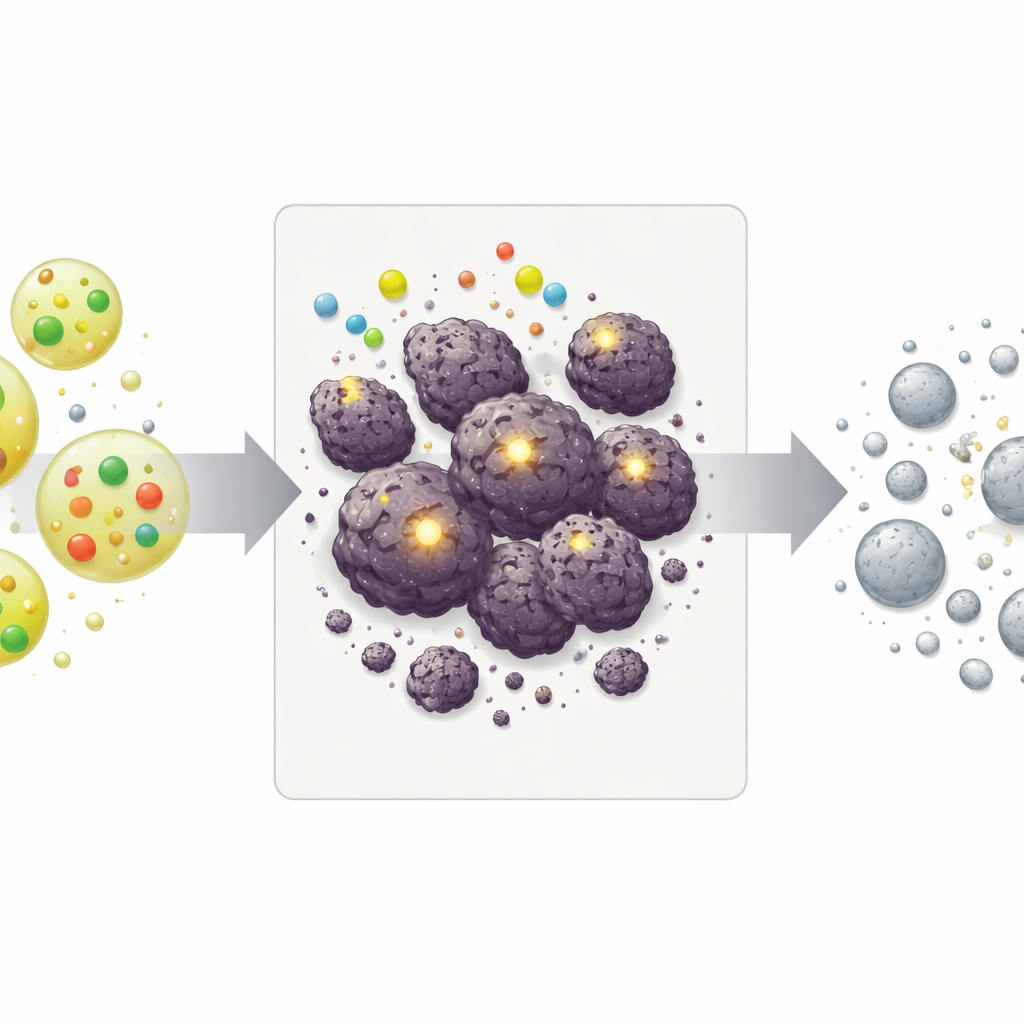
To see whether these chemical differences translated into biological effects, the scientists exposed human colorectal cancer cells growing in dishes to increasing amounts of each extract. Both wild and lab‑grown extracts slowed cell growth in a dose‑dependent way, damaged the cells’ DNA packaging, and made them less able to move and spread, a behavior linked to metastasis. When the cells were grown in a soft gel that mimics aspects of a tumor, adding the extracts shrank the size of the colonies, suggesting reduced tumor‑like behavior. Overall, the wild extract was slightly more potent in killing and stopping the spread of the cancer cells, but the lab‑grown extract was not far behind.
Signals Inside the Cells
The team then looked at the activity of genes inside the cancer cells to understand how the seaweed extracts might be working. Both preparations turned up genes that push cells toward programmed death and turned down genes that normally help cells survive and divide unchecked. They also reduced signals linked to inflammation, a condition often tied to cancer progression, and altered genes involved in how cells handle energy and sugar. One key sugar transporter was strongly suppressed, hinting that the extracts may “starve” cancer cells by limiting their fuel supply, while other energy‑sensing genes suggested the cells were under metabolic stress. Taken together, these genetic changes match what one would expect when cells are being nudged away from uncontrolled growth and toward a self‑destruct path.
Why This Matters for Everyday Health
For people interested in future functional foods and gentle, plant‑based health aids, the study delivers an encouraging message. Wild seaweed does contain a somewhat richer cocktail of protective molecules, but carefully grown tank‑raised seaweed can come surprisingly close in terms of anti‑cancer and immune‑modulating effects. That means it may be possible to cultivate A. orientalis in controlled systems that protect coastal ecosystems while still producing bioactive extracts at scale. With further refinement of growing and extraction conditions, this unassuming green seaweed could become a dependable ingredient for nutraceuticals and food products aimed at supporting long‑term health.
Citation: Khandwal, D., Maniar, J.N., Kumari, S. et al. A comparative anti-proliferative and immunomodulatory analysis in wild and lab-acclimatized seaweed extracts unravel the functional biopotentials of Acrosiphonia orientalis. Sci Rep 16, 11447 (2026). https://doi.org/10.1038/s41598-026-39863-z
Keywords: seaweed nutraceuticals, marine functional foods, Acrosiphonia orientalis, anti-cancer natural products, immunomodulatory algae