Clear Sky Science · en
Early postoperative factors associated with in-hospital mortality after emergency noncardiac surgery: A Japanese nationwide registry-based intensive care unit cohort study
Why what happens after surgery matters
Emergency surgery is often a race against time, but the danger does not end when the operation is over. Many patients are moved straight from the operating room to an intensive care unit, where their bodies struggle to recover from both illness and surgery. This study asked a simple but crucial question: in the first day after emergency surgery, which easily measured signs at the bedside signal that a patient is at high risk of dying before leaving the hospital?
A nationwide look inside intensive care units
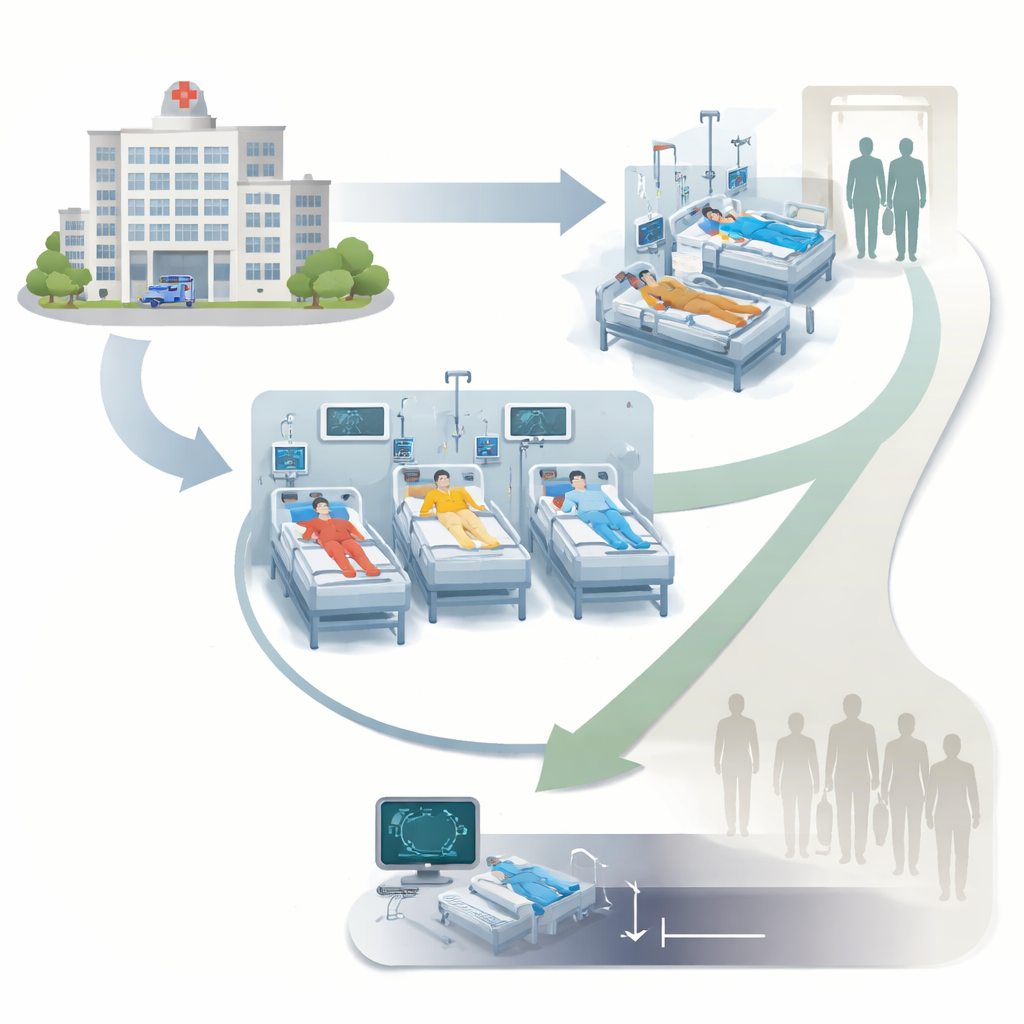
To answer this, researchers in Japan drew on a large national registry that collects detailed information from intensive care units across the country. They focused on nearly 19,000 adults who were admitted to an intensive care unit right after an emergency operation that did not involve the heart, between 2020 and 2023. The team compared those who survived their hospital stay with the roughly one in nine patients who did not. They examined age, long-term illnesses, vital signs such as blood pressure and heart rate, and routine blood tests measured during the first 24 hours in intensive care.
Who is most vulnerable after emergency surgery
The study found that several background factors made death more likely. Older adults, especially those aged 65 and above, had almost double the odds of dying compared with younger patients. People with advanced cancer that had spread, serious blood cancers, weak immune systems, or long-standing kidney failure requiring dialysis were also at much higher risk. A low body weight for one’s height, which often reflects poor nutrition and loss of muscle, added further danger and was particularly important in older adults.
Early warning signs in the first 24 hours
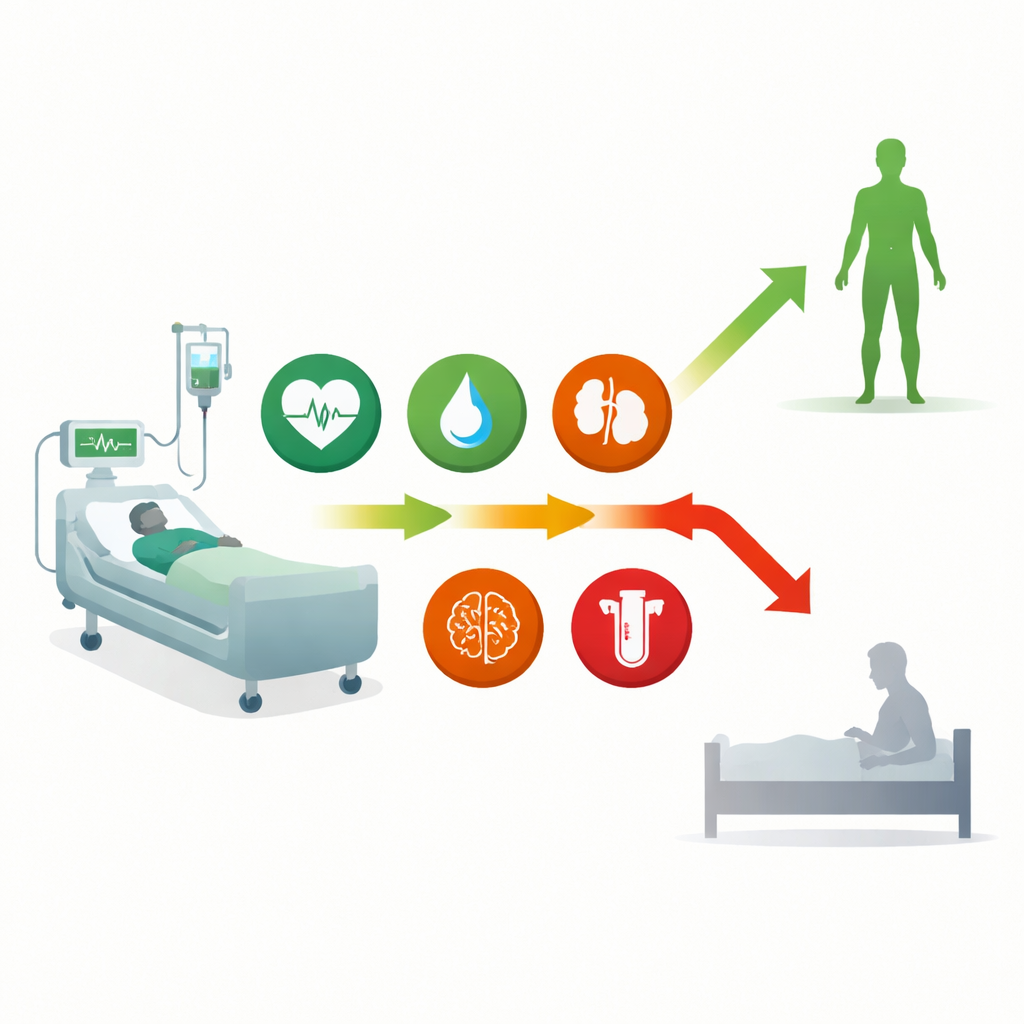
Beyond these long-term conditions, what happened in the first day in intensive care carried powerful clues. Patients whose blood pressure dropped very low, whose hearts were racing, or who were deeply unresponsive had a much greater chance of dying. A very low score on a standard test of wakefulness and responsiveness was one of the strongest signals of poor outcome. Blood tests told a similar story: high levels of lactate, a substance that builds up when tissues are starved of oxygen, as well as signs of weak kidney function, low levels of blood protein, low platelets, or very salty blood all pointed toward a fragile state. Many of these changes reflect the body’s struggle with shock, infection, or organ failure after major surgery.
How type of surgery and breathing support fit in
The kind of operation also mattered. Emergency operations on the stomach and intestines carried the heaviest risk, likely because they often involve severe infections or blocked blood supply to the gut. By contrast, trauma, gynecological, and certain kidney or urinary surgeries tended to have lower death rates. Patients who needed a breathing machine within the first day were more likely to die, not because the machine itself is harmful, but because needing it usually signals a sicker patient with weaker lungs or circulation.
What this means for patients and families
Putting these pieces together, the study shows that doctors can gauge risk soon after emergency surgery using information that is already collected at the bedside. Age, long-standing serious illnesses, and simple measurements taken in the first 24 hours in intensive care can highlight which patients are on a knife’s edge. For patients and families, this means that how well the body copes in that first day is a strong indicator of the road ahead. For doctors and nurses, these early clues may help them decide who needs the closest watching and the most aggressive support. The authors stress that more research is needed to test whether tailoring care based on these warning signs can actually save lives, but their work lays the foundation for smarter, more timely decisions in the critical hours after emergency surgery.
Citation: Goto, S., Okano, H. & Okamoto, H. Early postoperative factors associated with in-hospital mortality after emergency noncardiac surgery: A Japanese nationwide registry-based intensive care unit cohort study. Sci Rep 16, 11041 (2026). https://doi.org/10.1038/s41598-026-39643-9
Keywords: emergency surgery, intensive care, postoperative risk, hospital mortality, critical illness