Clear Sky Science · en
Busulfan resistance in AML is associated with changes in mitochondrial copy number and lipid metabolism
Why this matters for cancer treatment
Chemotherapy often works well at first but then mysteriously stops helping as cancer cells learn to survive. This study looks at how leukemia cells become less sensitive to busulfan, a key drug used before bone marrow transplants, by rewiring their energy factories and fat handling systems. Understanding this hidden makeover inside cancer cells could open new ways to keep treatments effective for children with acute myeloid leukemia.
Following cancer cells through repeated drug exposure
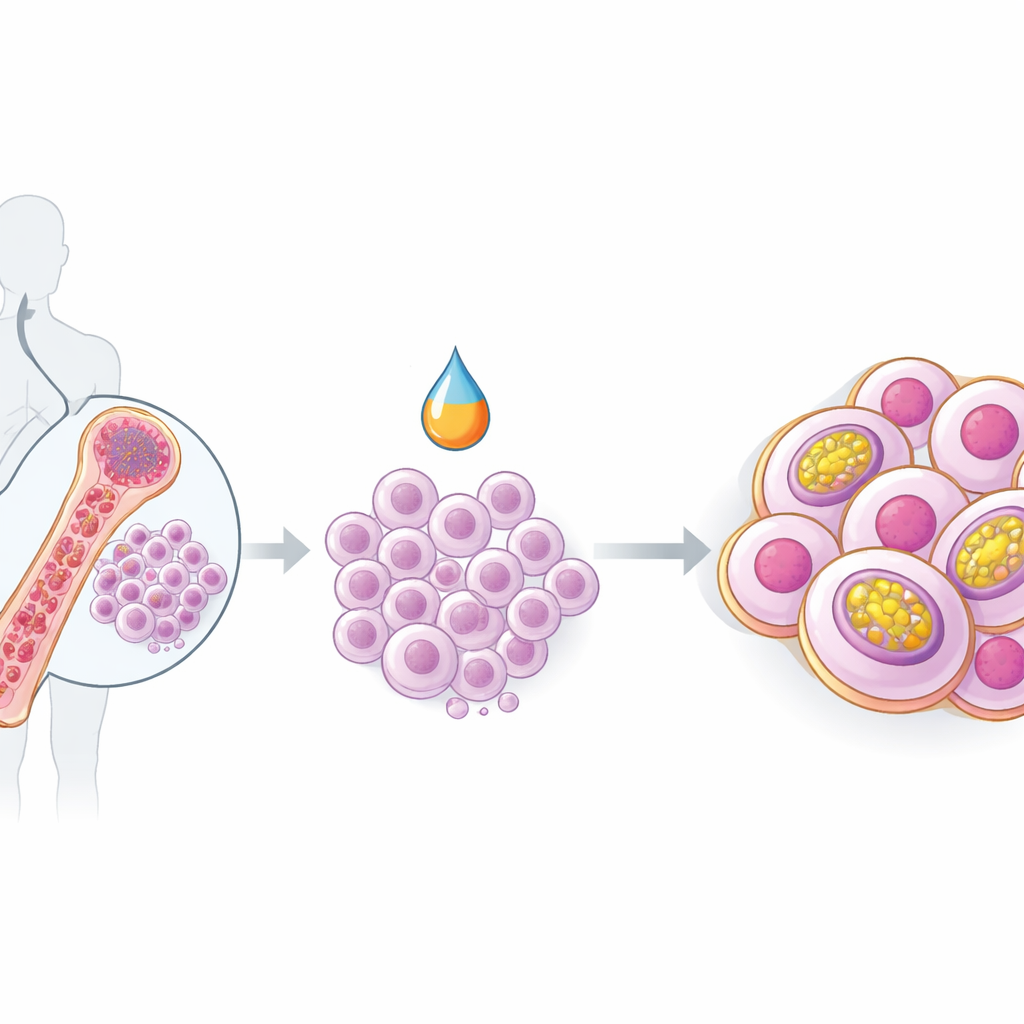
To watch resistance develop in real time, the researchers repeatedly exposed an acute myeloid leukemia cell line called MOLM13 to busulfan. They treated the cells in several rounds, each followed by a break that allowed surviving cells to regrow, mimicking what happens during cycles of chemotherapy. After three and then five rounds, the cells needed almost two to three times more busulfan to be killed, showing they had become noticeably harder to treat. A separate drug, cytarabine, was used as a comparison and to test whether resistance to one medicine could spill over to the other.
Temporary toughness and cross-resistance
The team next asked how stable this newfound toughness was. When busulfan-resistant cells were grown for longer periods without the drug, or simply frozen and thawed once, much of their resistance faded. This suggests that the changes making the cells tougher are flexible rather than locked-in mutations. Interestingly, when the cells were subsequently exposed to several rounds of cytarabine, they not only became less sensitive to cytarabine but also showed extra resistance to busulfan. This cross-resistance hints that different chemotherapy agents can push cells toward shared survival strategies.
Changes in the cell’s power plants
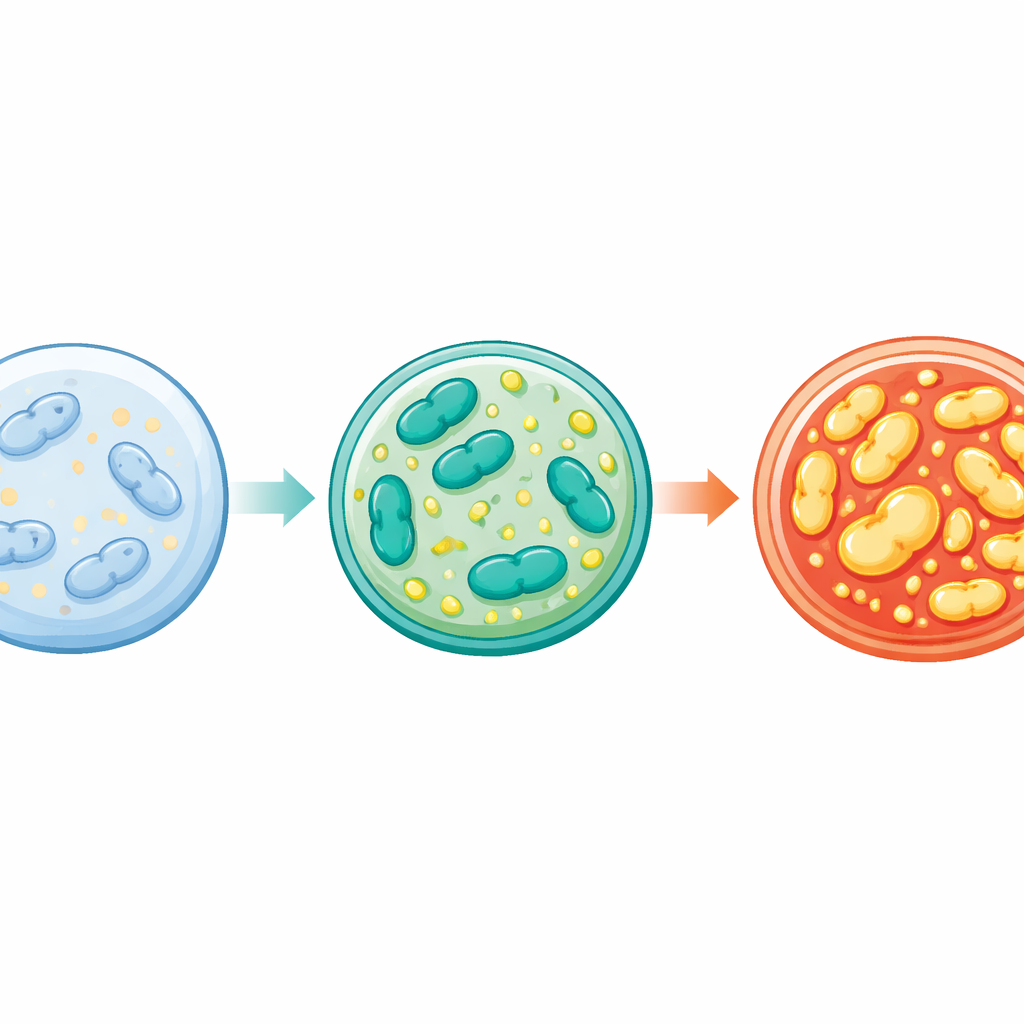
Because busulfan generates reactive oxygen species—chemically reactive molecules often produced in mitochondria—the scientists focused on these tiny energy factories. They measured how many copies of mitochondrial DNA each cell carried, a rough indicator of mitochondrial content. During the first three rounds of busulfan treatment, mitochondrial DNA copies rose significantly compared with the original cells, suggesting an early boost in mitochondrial capacity as the cells adapted to oxidative stress. In a separate panel of 28 human lymphoblastoid cell lines, those that were naturally less sensitive to busulfan also tended to have more mitochondrial DNA, strengthening the link between mitochondrial abundance and drug resistance.
A hidden shift in fat and cholesterol handling
To see what other cellular programs changed, the researchers sequenced RNA from the original cells and from those made resistant to busulfan. They identified 480 genes whose activity shifted, with many clustering in pathways that build and move fats and cholesterol. Key players in cholesterol production and fatty acid synthesis were turned up, along with regulators that coordinate overall lipid balance. These changes are important because the composition of cell membranes—and the fats stored within cells—can control how easily drugs enter, how they are pumped out, and how cells respond to stress. Notably, when similar analyses were run on cells exposed only to the solvent control, the same pathways were not enriched, pointing to a specific response to busulfan rather than a generic culture effect.
What this means for future therapies
In plain terms, the study shows that leukemia cells can become less vulnerable to busulfan by increasing their mitochondrial content and rewiring how they make and use fats, especially cholesterol. These adjustments appear reversible and may help the cells weather the chemical stress the drug creates. Because many of the altered genes and pathways are already targets of existing medicines, such as cholesterol-lowering drugs or inhibitors of fat synthesis, the work suggests that combining busulfan with treatments aimed at mitochondrial function or lipid metabolism could make it harder for leukemia cells to escape. In the long run, such strategies might help keep pre-transplant chemotherapy effective and improve outcomes for patients with acute myeloid leukemia.
Citation: Mlakar, V., Jurković Mlakar, S., Gloor, Y. et al. Busulfan resistance in AML is associated with changes in mitochondrial copy number and lipid metabolism. Sci Rep 16, 10213 (2026). https://doi.org/10.1038/s41598-026-39624-y
Keywords: acute myeloid leukemia, busulfan resistance, mitochondria, cholesterol metabolism, chemotherapy adaptation