Clear Sky Science · en
Identifying symptom communities and core symptoms in the anxiety-depression network among computer science students
Why this study matters for students and families
College can be an exciting step toward the future, but for many students it also brings heavy stress, worry, and low mood. This study looks closely at how different signs of anxiety and depression connect and reinforce one another among nearly 4,000 Chinese computer science undergraduates. Rather than treating “anxiety” and “depression” as vague labels, the researchers map out how specific feelings—like nervousness, fatigue, or trouble concentrating—form a web of problems. Understanding this web can help universities, families, and students themselves spot the most important warning signs and design support that hits where it counts.
Pressures behind the screen
Computer science has rapidly become one of the most sought-after majors in China, bringing intense competition, heavy workloads, and constant exposure to fast-changing technologies. Students must juggle demanding courses, long hours at screens, uncertainty about future jobs, and even fear that they are falling behind technologically. Earlier research suggested that students in computing fields may face higher levels of anxiety and depression than many of their peers. Yet, in China, very little work has focused specifically on this group. This study set out to fill that gap by examining not just how common these problems are, but how individual symptoms relate to each other in real life.
Looking at symptoms as a network
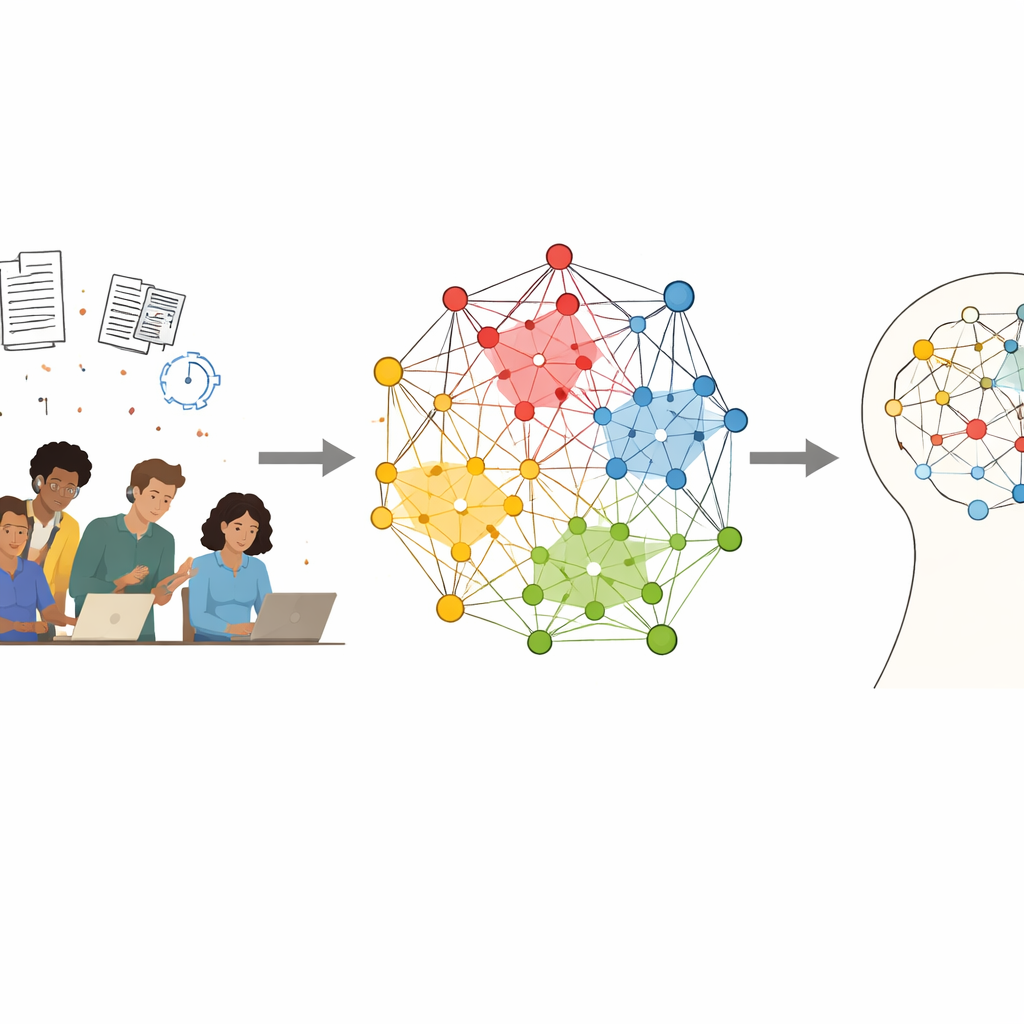
Instead of viewing mental health problems as a single underlying illness, the team used a “network” approach. In this view, each symptom—such as restless behavior, poor sleep, or sadness—is a node in a web. Lines between nodes show how strongly symptoms tend to appear together after accounting for all others. The researchers used two widely tested questionnaires: one for anxiety with seven items, and one for depression with nine items. They then applied advanced statistical tools to uncover which links between symptoms were strongest, which symptoms sat at the center of the web, and how groups of symptoms formed distinct communities. They also checked how stable these patterns were by repeatedly reanalyzing the data under slightly different conditions.
Hidden trouble spots in everyday feelings
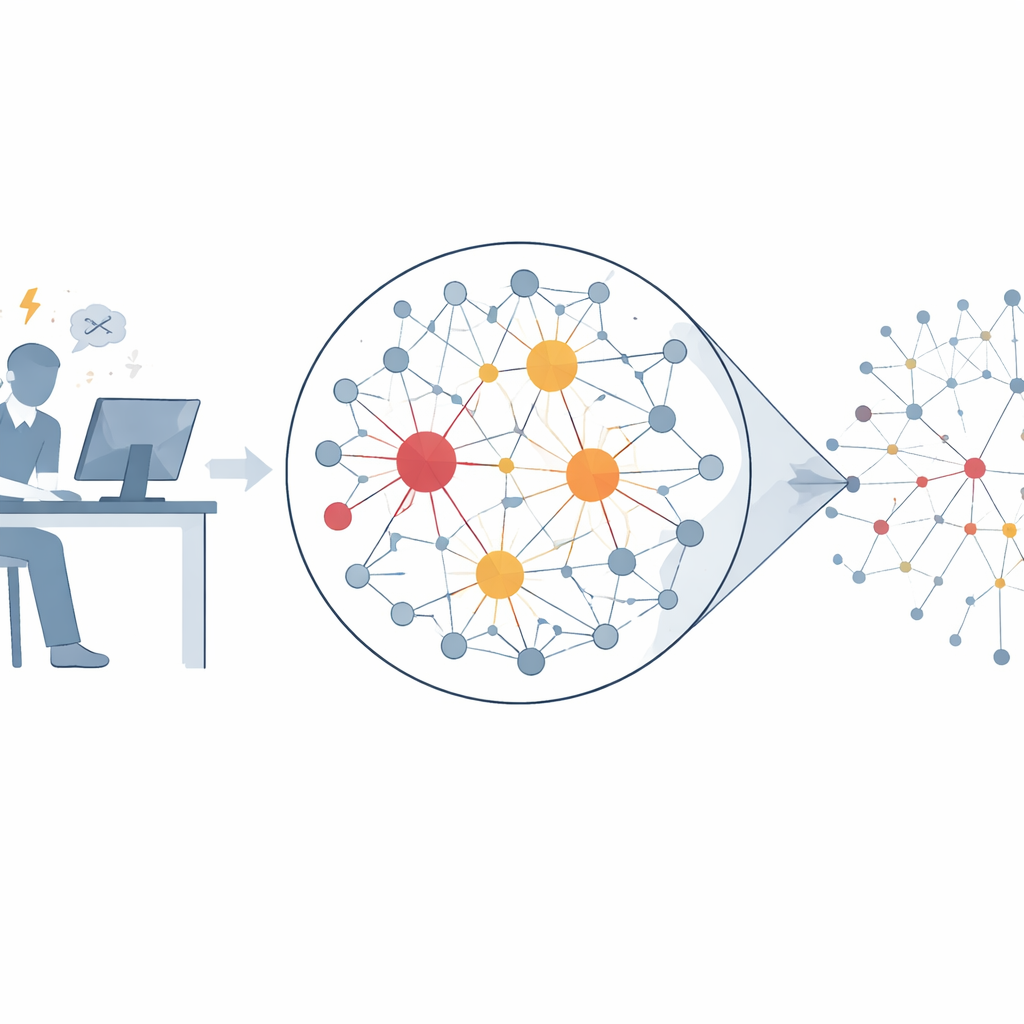
The map of symptoms revealed several striking patterns. The tightest link was between feeling nervous and experiencing worry that feels hard to control. Within depression, sleep problems were strongly tied to daytime tiredness, and losing interest in activities was closely connected with trouble concentrating. When the researchers looked at which symptoms were most “central” in the network, three stood out: difficulty concentrating, fatigue, and slowed or agitated movements, known as psychomotor problems. These symptoms seemed to be especially important hubs connecting many other feelings. Another group of symptoms—irritability, feeling afraid as if something awful might happen, and psychomotor problems—acted as bridges between anxiety and depression clusters. Even when self-harm thoughts were reported less often, their close link to psychomotor changes suggests they deserve careful monitoring.
Four clusters of connected feelings
When the team asked whether symptoms naturally grouped together, four clear communities emerged. One cluster captured the core feelings of anxiety, centered on nervousness and worry. A second cluster held the bodily and emotional signs of anxiety, such as restlessness, irritability, and a sense of fear. A third cluster represented core depression symptoms, including lack of pleasure, low mood, guilt, concentration problems, psychomotor changes, and self-harm thoughts. The final cluster gathered more physical aspects of depression, such as sleep difficulties, fatigue, and appetite changes. On average, more than two-thirds of the variation in a given symptom could be “predicted” from its neighbors in the network, highlighting how strongly these experiences are intertwined rather than isolated.
What this means for support and care
For the many computer science students who report at least mild anxiety or depression, these results suggest that focusing on a few key symptoms could have ripple effects across their mental well-being. Helping students protect their ability to concentrate, manage exhaustion, and address changes in movement or energy may weaken the entire web of distress. Targeting bridge symptoms like irritability and fear may also slow the spread of problems from anxiety into deeper depression. The study’s network approach encourages universities and clinicians to move beyond one-size-fits-all labels and instead design prevention and counseling efforts that are tuned to the specific clusters and hubs of symptoms students actually experience.
Citation: Yi, W., Yang, K., Wei, Z. et al. Identifying symptom communities and core symptoms in the anxiety-depression network among computer science students. Sci Rep 16, 11649 (2026). https://doi.org/10.1038/s41598-026-39553-w
Keywords: computer science students, anxiety and depression, student mental health, symptom networks, university stress