Clear Sky Science · en
Predicting patient satisfaction in digital orthodontics using a KAC based model integrating AI support and risk stratification
Why Your Smile and Technology Now Go Hand in Hand
More and more orthodontic treatments—from clear aligners to custom braces—are guided by digital tools and artificial intelligence (AI). But even when the technology looks impressive, patients do not always walk away happy. This study asks a simple but important question: can we predict which patients will be satisfied with their AI‑assisted orthodontic care by understanding what they know, how they feel, and what worries them?
Looking Beyond Straight Teeth
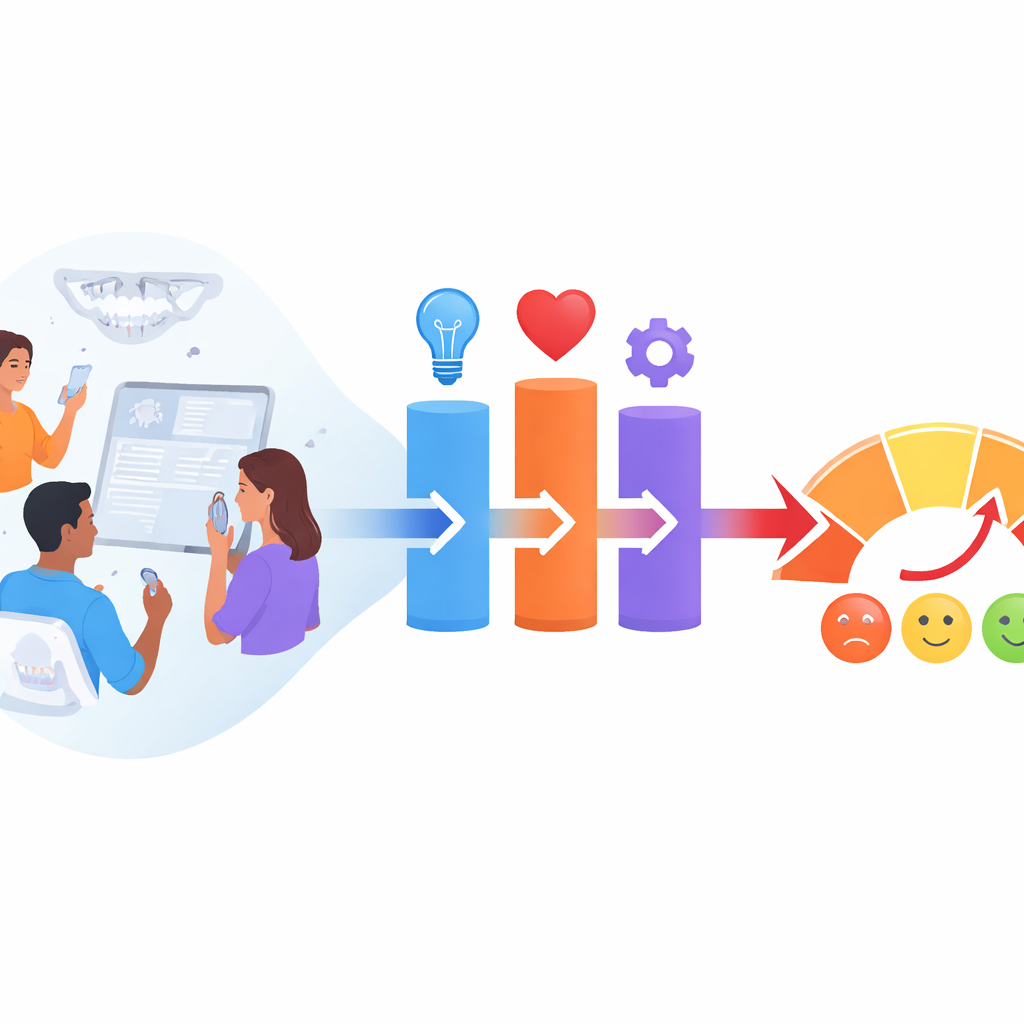
The researchers focused on “digital orthodontics,” which covers treatments that use tools such as 3D scans, computer‑designed appliances, AI‑assisted diagnosis, and remote monitoring. While these advances promise faster and more precise care, patient satisfaction has not kept pace with the enthusiasm of many clinicians. Patients differ widely in how much they understand AI, how much they trust it, and how comfortable they feel sharing data or relying on software. Rather than looking only at clinical outcomes or simple surveys about liking technology, the team set out to build a structured way to measure the human side of digital orthodontic care.
Three Building Blocks of the Patient Experience
To do this, the authors developed a framework they call Knowledge–Attitude–Challenge (KAC). “Knowledge” captures how well patients understand digital and AI‑based orthodontic tools. “Attitude” reflects their general openness, trust, and comfort with using these tools in their own treatment. “Challenge” sums up perceived obstacles such as cost, technical difficulty, privacy worries, scheduling hassles, or anxiety about unfamiliar technology. The team created and tested two questionnaires—one for 500 patients and another for 500 orthodontists across China—to measure these three elements reliably. Only patient responses fed into the prediction model, while clinician data helped describe how providers see the same issues.
Turning Feelings and Fears into a Prediction
Among the 500 patients, about seven in ten reported being satisfied or very satisfied with their treatment. When the researchers compared satisfied and less satisfied patients, clear patterns emerged. Those who understood digital orthodontics better and felt more positive about AI consistently reported higher satisfaction. In contrast, those who felt burdened by cost, technical or privacy concerns, or practical inconveniences tended to be less satisfied. Using statistical modeling, the authors combined KAC scores with basic information such as age, sex, education level, and type of digital treatment (clear aligners versus customized fixed braces) to predict who would end up satisfied. The resulting model could distinguish higher‑ from lower‑satisfaction patients with good accuracy.
Sorting Patients by Satisfaction Risk
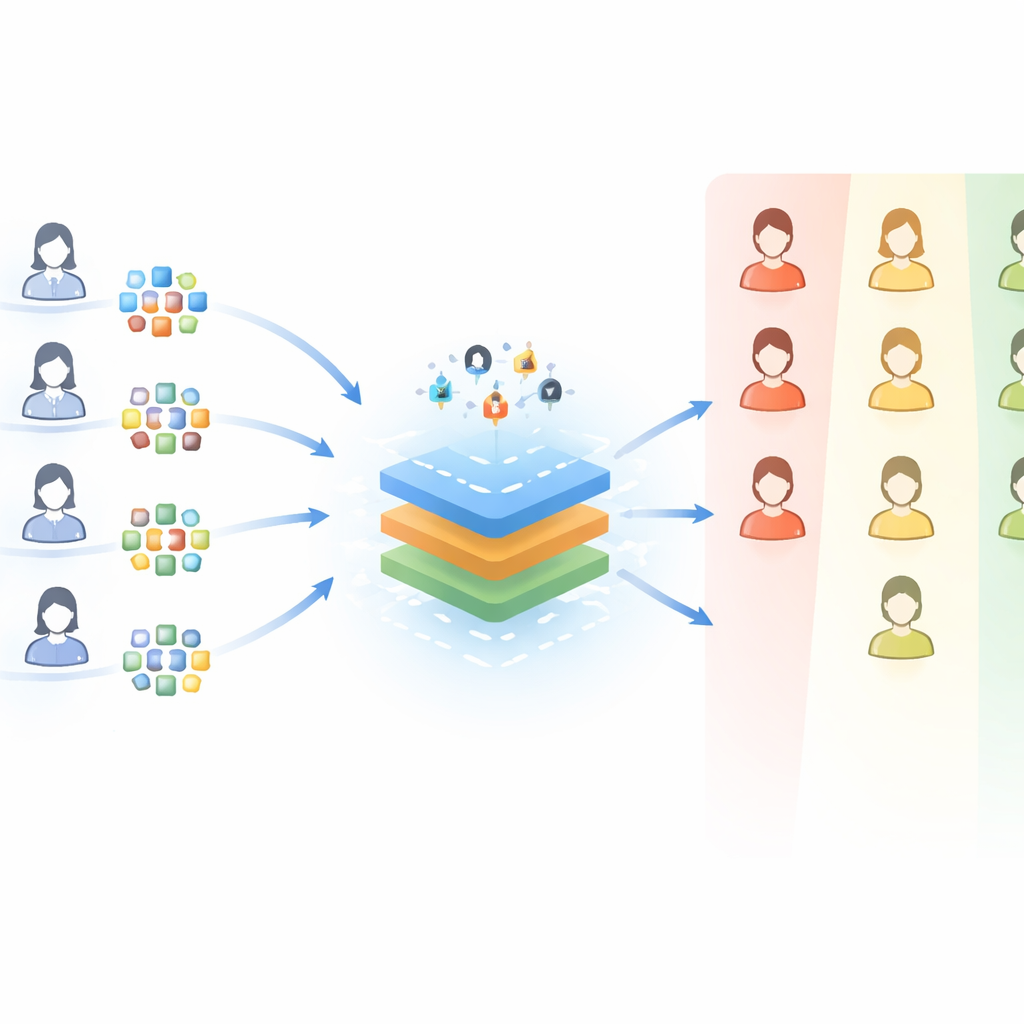
The team then translated the model’s predictions into three simple groups. Patients whose answers suggested a low risk of dissatisfaction were very likely to end up happy with care, while those in the highest‑risk group had much lower satisfaction rates despite receiving similar types of treatment. This step—called risk stratification—matters because it turns abstract scores into actionable guidance. For example, a patient flagged as high‑risk might benefit from a longer conversation about how the AI system works, extra reassurance about data security, or a clearer explanation of what digital tools can and cannot do for their smile.
What This Means for Future Orthodontic Visits
The study concludes that patient satisfaction in AI‑assisted orthodontics depends strongly on what patients know, how they feel, and what gets in their way—not just on the technical quality of the treatment. The KAC‑based model offers a practical tool to spot patients who may be at risk of disappointment early on, giving clinicians a chance to adjust communication, address worries, and tailor support. As AI becomes more deeply woven into dental care, approaches like this may help ensure that smarter technology actually translates into better, more reassuring experiences in the chair.
Citation: Xiaoting, X., Ismail, N.A., Liu, Y. et al. Predicting patient satisfaction in digital orthodontics using a KAC based model integrating AI support and risk stratification. Sci Rep 16, 11164 (2026). https://doi.org/10.1038/s41598-026-39105-2
Keywords: digital orthodontics, patient satisfaction, artificial intelligence in dentistry, risk stratification, patient attitudes