Clear Sky Science · en
Inhibitory effect of the methanol extract of Clerodendrum volubile Linn. on carbon tetrachloride-induced early hepatic fibrogenesis: in silico and in vivo study
Why a common leaf might shield the liver
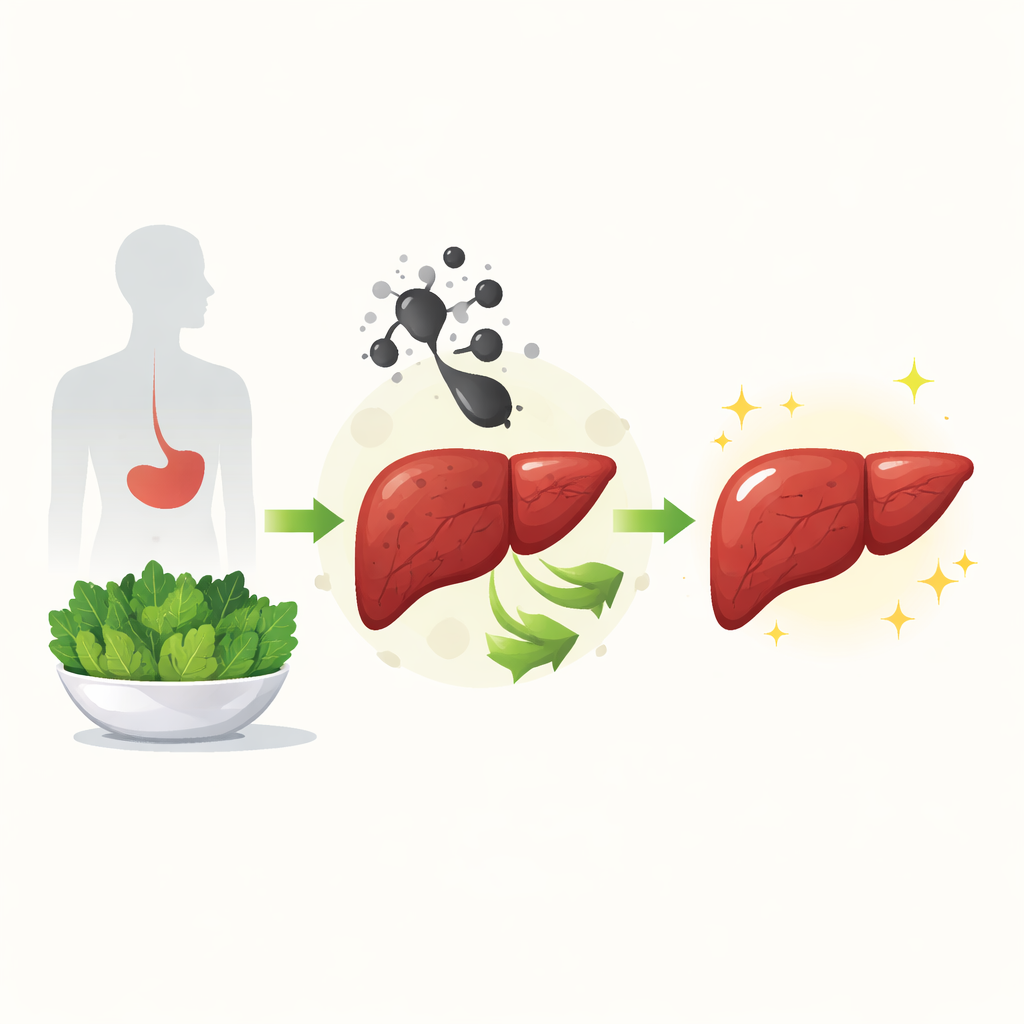
Liver disease is a quiet global killer, often progressing for years before symptoms appear. Once the liver begins to scar, or fibrose, the damage can spiral toward cirrhosis and liver cancer. This study explores whether a leafy vegetable widely eaten in Nigeria, Clerodendrum volubile, might help interrupt that spiral by protecting the liver from a harsh industrial chemical and by blocking a key enzyme that turns toxins into damaging molecules.
A harmful chemical and a vulnerable organ
The researchers focused on liver fibrosis, the buildup of scar-like tissue that follows long-lasting injury. To mimic early fibrosis, they gave rats repeated doses of carbon tetrachloride, a toxic solvent known to damage the liver. In many people and animals, such chronic injury sets off a chain reaction: specialized liver cells become activated, excess connective tissue accumulates, and the organ gradually stiffens and fails. A major player in this process is an enzyme in liver cells, called CYP2E1, that converts certain chemicals into highly reactive fragments which, in turn, generate harmful oxygen-based molecules and stoke inflammation.
A leafy extract put to the test in animals
Clerodendrum volubile is eaten as a vegetable and used in traditional remedies for conditions ranging from arthritis to diabetes. The team prepared a methanol extract of its leaves and first confirmed that it contained substantial amounts of polyphenols and flavonoids—natural compounds often linked to antioxidant activity. They then divided rats into groups: some received only a harmless oil, others were exposed to carbon tetrachloride for nine weeks to induce liver damage, and several groups received both the toxin and different doses of the plant extract during the last three weeks of exposure.
Signs of liver damage eased by the plant
Compared with healthy animals, rats given carbon tetrachloride alone showed clear signs of liver injury. Key blood markers of liver damage, such as ALT and AST enzymes and bilirubin levels, were all elevated. Inside the liver, the natural antioxidant defenses were weakened, and markers of lipid peroxidation—chemical “rusting” of cell membranes—were higher. Under the microscope, the researchers saw regions of cell death and heavy collagen deposits, hallmarks of fibrotic scarring. When rats were treated with the Clerodendrum extract, many of these changes were blunted. Blood markers moved back toward normal, antioxidant systems such as glutathione and protective enzymes rebounded, and damaging lipid peroxidation decreased. Tissue slices from treated animals showed less cell death and milder collagen buildup, suggesting that the extract slowed or reversed early fibrotic changes.
Computer models point to a molecular target
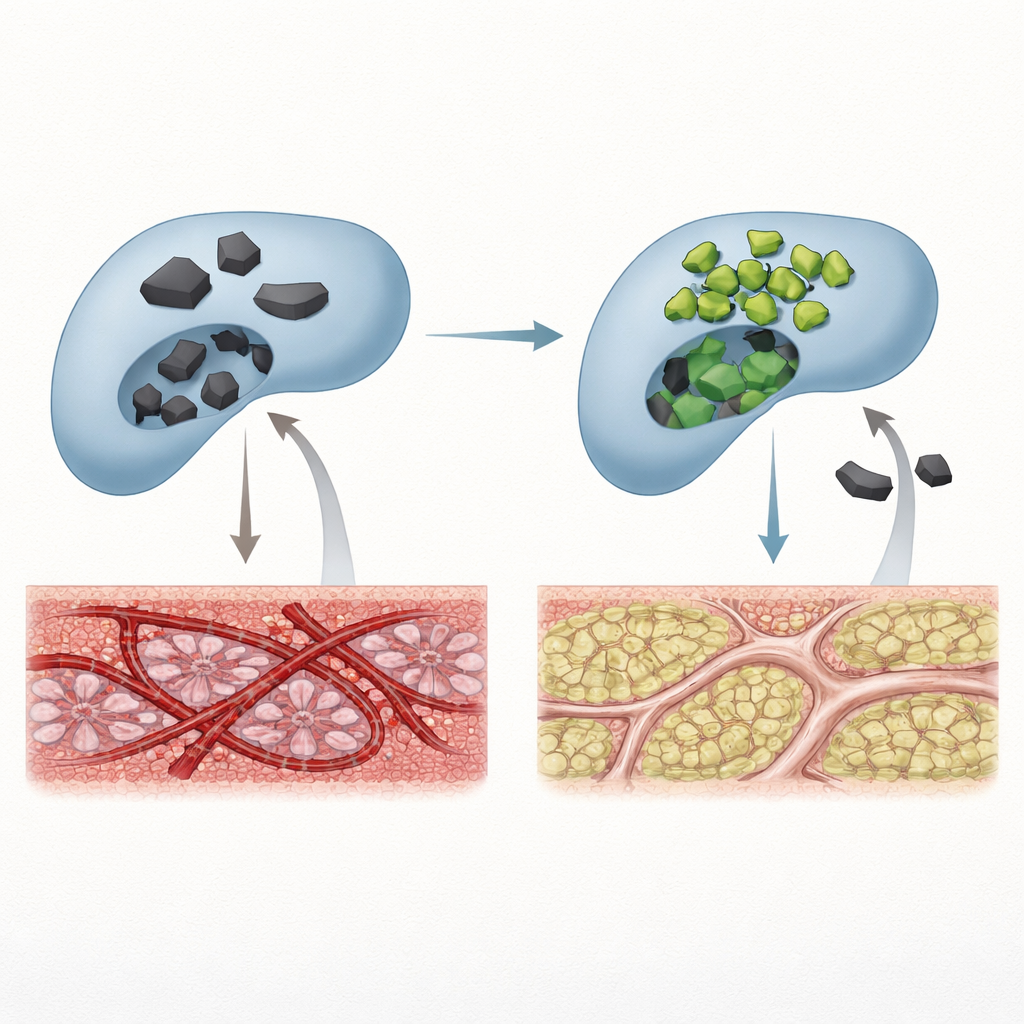
To probe how the plant’s components might act at a molecular level, the scientists turned to computer-based chemistry. Using gas chromatography–mass spectrometry, they cataloged the extract’s many small molecules, then virtually “docked” these candidates onto a three-dimensional model of the CYP2E1 enzyme. Four compounds, including the abundant molecule phytol, were predicted to bind more tightly to the enzyme than its usual reference ligand. Detailed simulations of their motion in water suggested that these plant molecules formed stable complexes with CYP2E1, potentially blocking its ability to convert carbon tetrachloride into toxic fragments. Additional computational analysis of absorption, distribution, metabolism, and toxicity hinted that these compounds, especially phytol, might have acceptable drug-like properties and relatively low predicted toxicity.
What this could mean for future liver care
Taken together, the animal experiments and computer simulations suggest that Clerodendrum volubile leaf extract can ease early liver scarring in rats. It appears to work in two main ways: by boosting the liver’s antioxidant defenses and by likely dampening the activity of the CYP2E1 enzyme that feeds toxic stress. While this work does not yet prove safety or effectiveness in people, it highlights a familiar food plant as a promising source of future therapies aimed at preventing the progression from simple liver injury to irreversible cirrhosis and cancer.
Citation: Oyeyemi, I.T., Asowata-Ayodele, A.M., Adetula, A.O. et al. Inhibitory effect of the methanol extract of Clerodendrum volubile Linn. on carbon tetrachloride-induced early hepatic fibrogenesis: in silico and in vivo study. Sci Rep 16, 9848 (2026). https://doi.org/10.1038/s41598-026-39090-6
Keywords: liver fibrosis, Clerodendrum volubile, antioxidant plant extract, CYP2E1 inhibition, carbon tetrachloride