Clear Sky Science · en
Quality of TikTok videos on sudden cardiac death varies by video characteristics and health information accuracy
Why TikTok Health Videos Matter
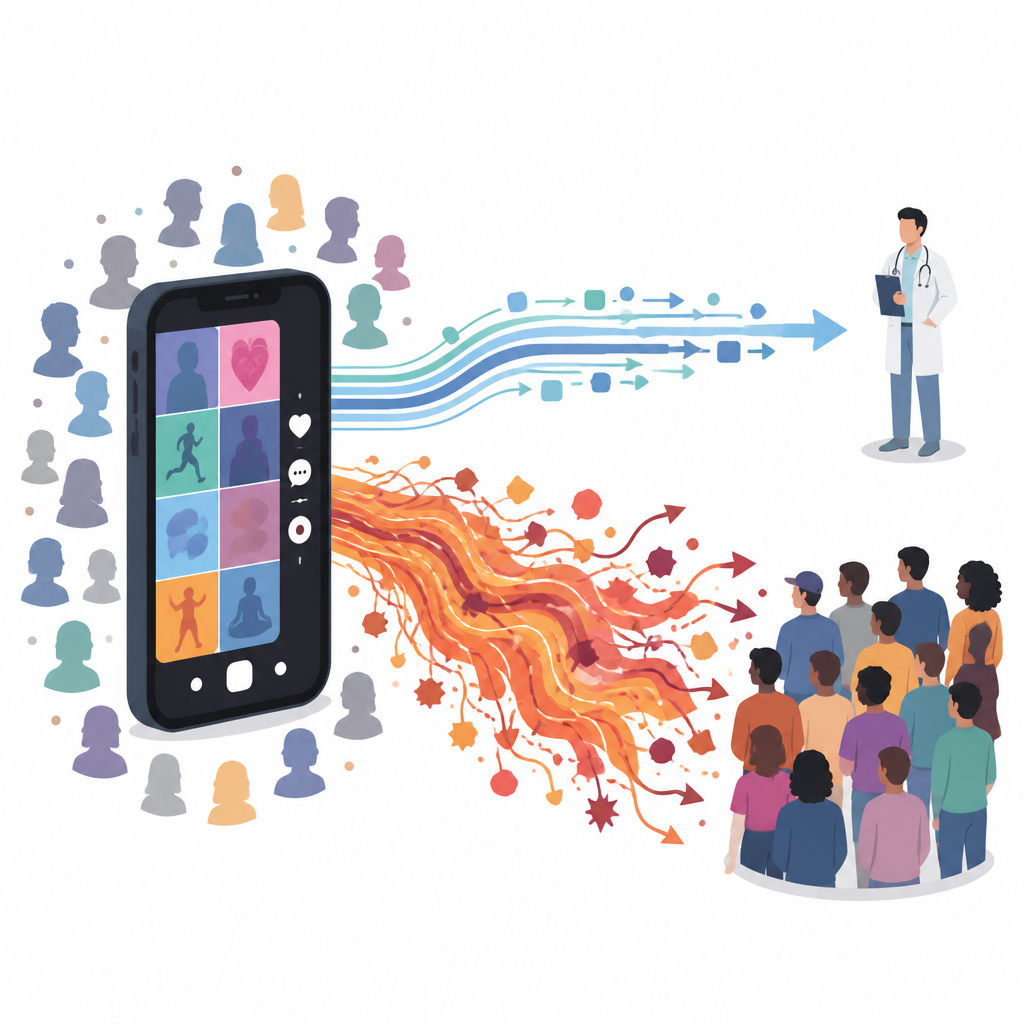
TikTok is where many young people now first hear about serious health problems, including sudden cardiac death, a condition in which the heart suddenly stops beating. This study looks at what happens when life and death information is squeezed into short, catchy clips. The researchers asked a simple but important question: are the most popular TikTok videos about sudden cardiac death also the most accurate, and who is making them?
Who Is Talking About Sudden Heart Death
The team searched TikTok for the two most popular hashtags related to sudden cardiac death and pulled the top 100 videos ranked by the platform’s own popularity system. After removing duplicates, non‑English clips, and videos with missing data, they analyzed 83 videos in detail. About one third were made by healthcare professionals such as doctors or nurses. The rest came from non‑professionals, including patients, families, influencers, and other everyday users who chose to share stories or advice about sudden heart collapse.
How the Videos Were Judged
To understand how trustworthy these clips were, the researchers used three structured checklists normally applied to health websites and adapted them for short videos. These tools asked whether each video explained its purpose clearly, relied on sound medical evidence, discussed different treatment options, and mentioned possible benefits and harms. Reviewers also checked how recent the information seemed and whether the creator appeared qualified to speak on the topic. In addition, they recorded simple numbers such as likes, comments, shares, and how often a video was saved, and they rated whether the overall mood of each clip felt positive, neutral, or negative.
Quality Versus Popularity
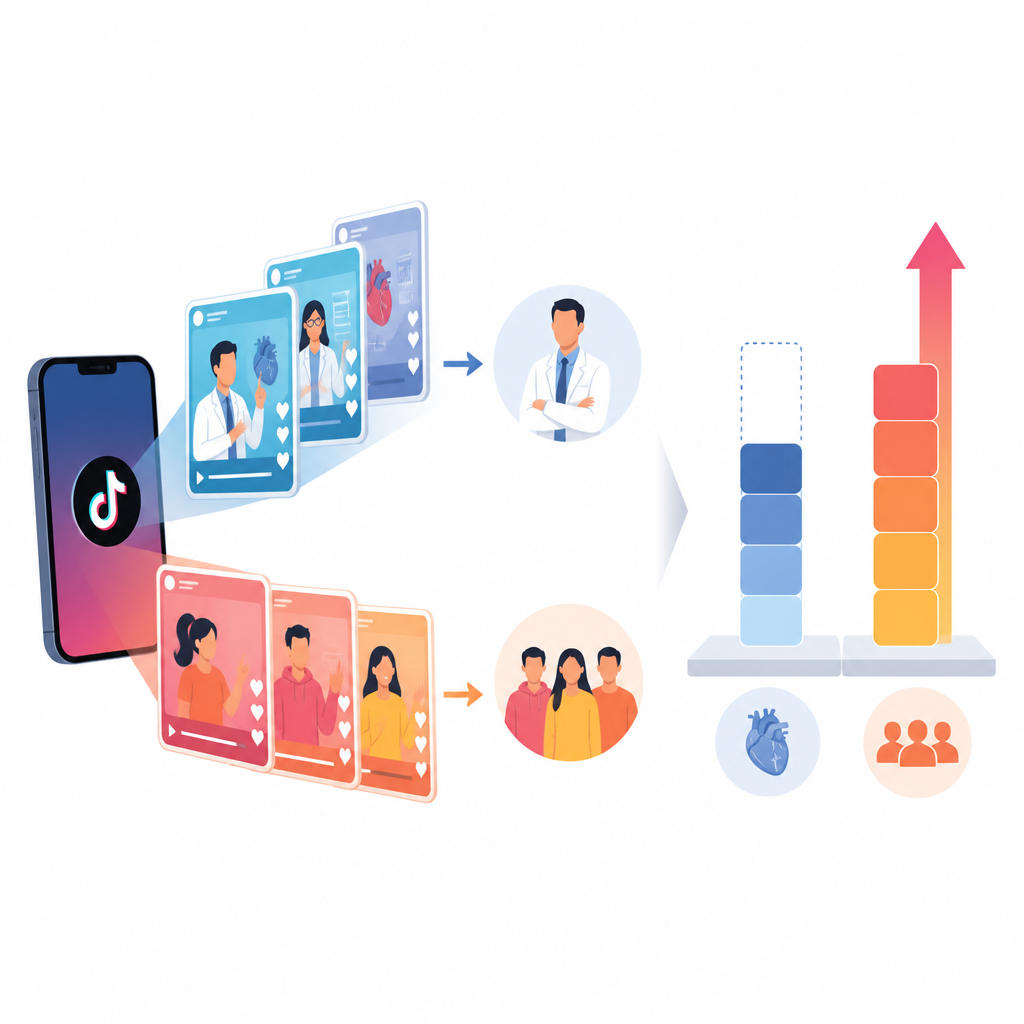
The results revealed a clear split between accuracy and attention. Videos made by healthcare professionals were longer and scored much higher on every quality test. They were more likely to spell out what sudden cardiac death is, how it can be treated, what the risks of treatment are, and what happens if no treatment is given. These clips also more often pointed viewers toward other sources of help. Yet non‑professional videos tended to draw more interaction. They had higher engagement rates, more frequent reshares, and were more often saved by viewers, even though their medical information was usually weaker, less complete, or not backed by clear sources.
The Role of Emotion and Tone
Emotional tone seemed to help non‑professional clips spread. Their videos were more often judged as positive, though this difference was not large enough to be certain. Longer, more detailed videos tended to be slightly less upbeat, which may make them less shareable on a platform that rewards quick, feel‑good content. Interestingly, the number of likes or comments a video received did not reliably signal whether its health advice was sound. High‑quality clips were not necessarily the most popular ones, suggesting that viewers struggle to tell accurate information from oversimplified or misleading messages when scrolling quickly.
What This Means for Viewers and Creators
The study highlights a tension at the heart of online health education. Professionals are providing careful, evidence‑based guidance, but their work is often overshadowed by more entertaining clips from non‑experts. The authors suggest that making trustworthy information easier to find may require new approaches, such as collaborations between healthcare professionals and popular creators or changes in how platforms recommend health content. For everyday users, the takeaway is clear: heart‑related TikTok videos can be a useful starting point, but they should not replace advice from qualified clinicians, especially when dealing with conditions as serious as sudden cardiac death.
Citation: Bansal, M., Jalal, A., Usman, F.M. et al. Quality of TikTok videos on sudden cardiac death varies by video characteristics and health information accuracy. Sci Rep 16, 15183 (2026). https://doi.org/10.1038/s41598-026-39081-7
Keywords: TikTok health, sudden cardiac death, health misinformation, social media research, digital cardiology