Clear Sky Science · en
Exploring the perspectives of pulmonologists on referrals for pulmonary rehabilitation in India: insights into current practices
Why breathing care matters beyond the hospital
Pulmonary rehabilitation is a supervised program of exercise, education, and support that helps people with long‑lasting lung diseases breathe easier and live better. Yet, even in countries where the need is greatest, surprisingly few patients ever reach these programs. This article looks at what helps and what hinders lung specialists in India when they try to send patients for such rehabilitation, offering a window into how healthcare systems can fail to deliver proven treatments—and how they might be redesigned.
Breathless patients, powerful treatment, poor reach
India carries a heavy burden of chronic breathing disorders such as chronic obstructive pulmonary disease (COPD). These illnesses cause repeated hospital visits, high costs, and major limits on daily life. Pulmonary rehabilitation has been shown worldwide to ease breathlessness, improve fitness and confidence, reduce hospital admissions, and even save money for health systems. Despite this, only a small fraction of eligible patients in many countries are ever referred, and even fewer attend. The situation is likely worse in low‑ and middle‑income settings, where services are scarce and everyday hurdles such as travel and cost loom large.
Asking lung doctors what stands in the way
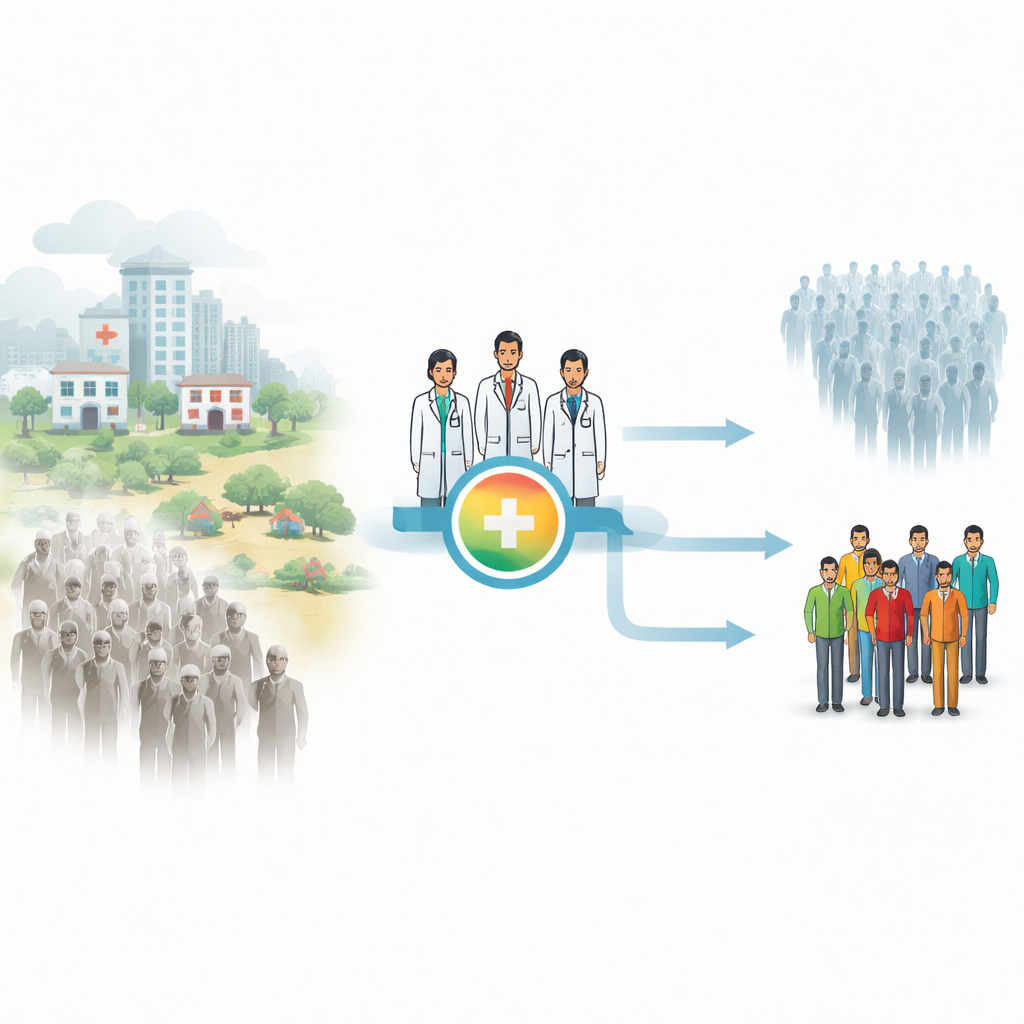
To understand why referrals are so limited in India, the researchers surveyed pulmonologists—the doctors who most often care for people with serious lung disease and who control most referrals to rehabilitation. Using a carefully validated questionnaire grounded in behavior‑change theory, they asked 114 pulmonologists across diverse regions and practice types about their own experiences and their impressions of their patients. Questions covered doctor‑related factors, patient‑related factors, and the availability of different models of care, including hospital‑based, inpatient, and home‑based programs.
What makes referrals easier for doctors
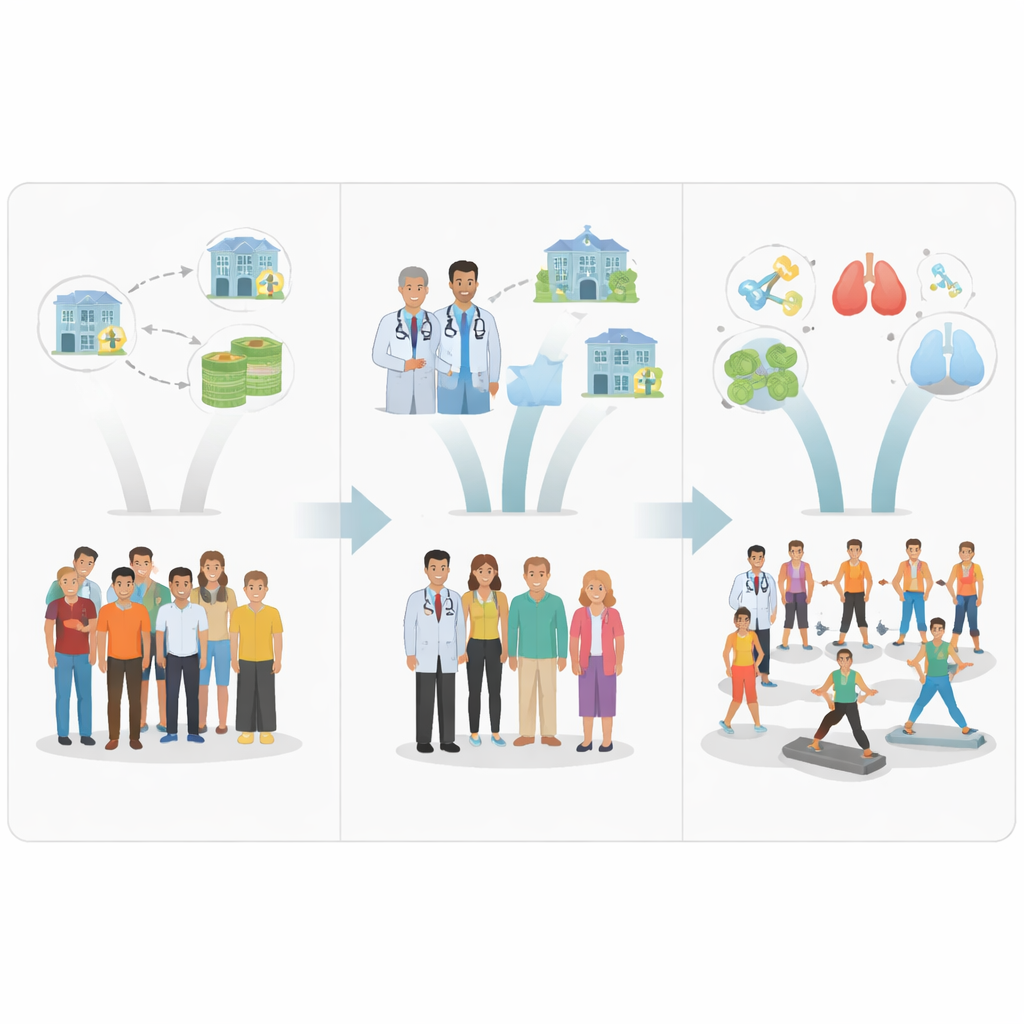
Doctors said they were more likely to refer patients when a rehabilitation center was located in or near their hospital and staffed with trained professionals. Positive beliefs about the benefits of the program also pushed referrals upward, as did seeing patients with clear physical limitations, multiple health problems, or long‑term oxygen use who stood to gain from better fitness and self‑management. Some centers could offer inpatient or home‑based rehabilitation, and many pulmonologists used these options for at least a portion of their patients, sometimes with remote follow‑up by phone or video. Strong family support, motivated patients, easy travel to the center, the ability to afford care, and good health literacy were all seen as powerful patient‑side ingredients that helped programs succeed once a referral was made.
Hidden costs, distance, and low awareness
Barriers, however, were widespread and often structural. The most commonly cited problems were the simple lack of centers offering pulmonary rehabilitation and poor infrastructure where programs did exist. Many hospitals favored acute care units over rehabilitation when allocating space, staff, and equipment. Travel distance, unreliable or uncomfortable public transport, and added out‑of‑pocket expenses made pulmonologists hesitate to suggest programs they knew patients might not reach. Financial strain—on both patients and caregivers—was a recurring theme. From the doctors’ perspective, many patients declined rehabilitation because they did not know what it was, did not see how it could help, or feared that exercise would worsen their breathlessness. Inaccessible locations and lack of financial assistance were also frequent reasons for saying no.
Looking ahead: bringing help closer to home
The authors conclude that successful pulmonary rehabilitation in India is less about inventing new treatments than about removing practical roadblocks. Making programs physically closer, better staffed, and more affordable could unlock a therapy already known to work. Community education, strong recommendations from trusted clinicians, and family involvement may further boost participation. Alternative models—such as home‑based or tele‑rehabilitation—show promise but must be adapted to local realities like internet access and digital skills. By mapping how context, health‑care systems, and patient circumstances interact, this study provides a blueprint for improving access to life‑changing breathing care in resource‑limited settings.
Citation: Augustine, A., Bhat, A., Mohapatra, A.K. et al. Exploring the perspectives of pulmonologists on referrals for pulmonary rehabilitation in India: insights into current practices. Sci Rep 16, 12519 (2026). https://doi.org/10.1038/s41598-026-38711-4
Keywords: pulmonary rehabilitation, chronic respiratory disease, healthcare access, India, rehabilitation barriers