Clear Sky Science · en
Immunomediator expression in human periodontal ligament MSCs varies depending on surface CD146 expression
Why tiny tooth ligament cells matter
Many promising stem cell therapies look powerful in the lab but give mixed results in patients. One major reason is that stem cells are not all alike: even cells from the same tissue can behave very differently. This study focuses on a particular group of stem-like cells from the tissue that anchors teeth to the jaw—the periodontal ligament—and asks whether a surface marker called CD146 can reliably pick out those cells that are best at calming inflammation. That question matters for future treatments of gum disease and many other inflammatory conditions.
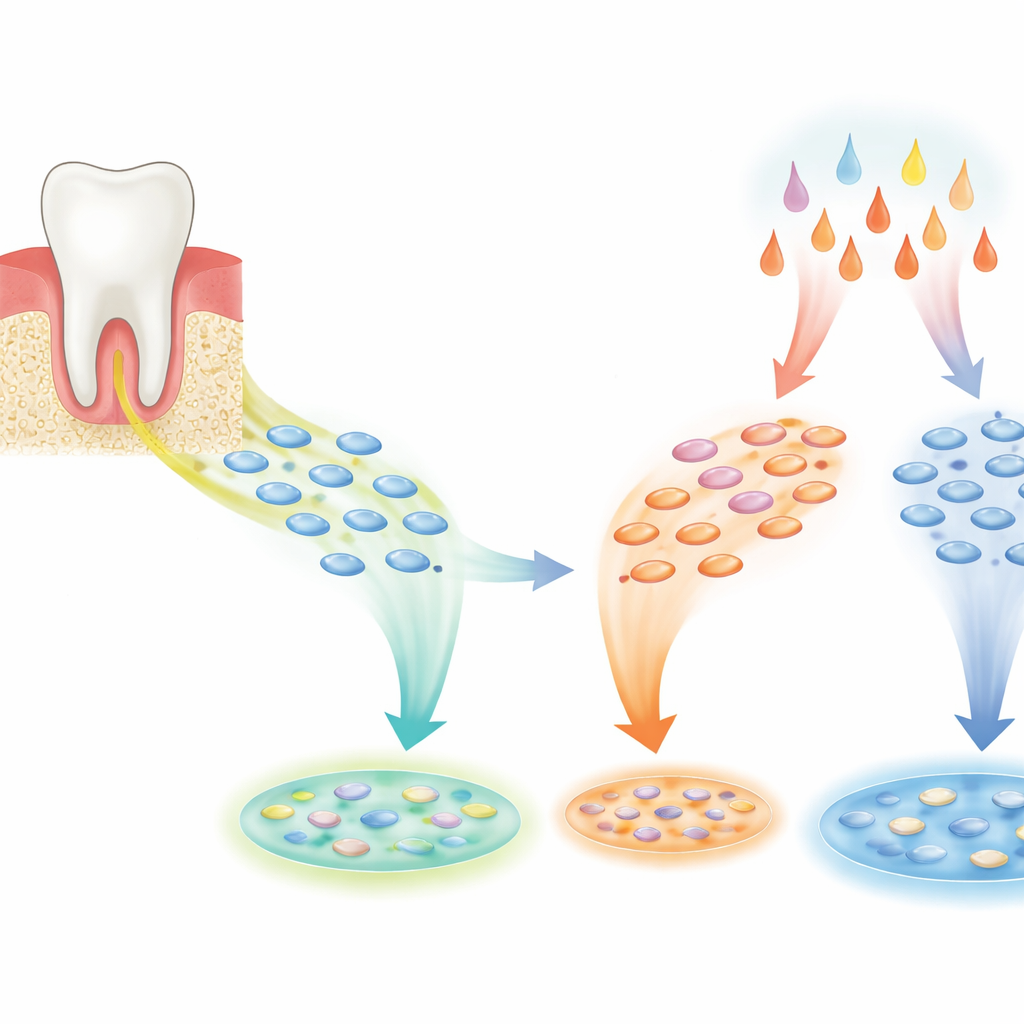
Different cell faces in the tooth support tissue
The periodontal ligament contains mesenchymal stromal cells, a versatile population that normally sits quietly near blood vessels but springs into action after injury or infection. These cells can help rebuild tissue and, just as importantly, can dial immune responses up or down by releasing signaling molecules. Because clinical trials with mesenchymal stromal cells have shown inconsistent benefits, researchers are searching for subtypes with more reliable properties. CD146, a protein on the cell surface, has been proposed as a marker that identifies especially potent cells, but earlier work rarely examined how these cells behave under different kinds of inflammation.
Testing cell behavior under inflammatory “weather”
The authors isolated human periodontal ligament stromal cells from extracted wisdom teeth and exposed them to three common inflammatory signals: interleukin‑1β, interferon‑γ, and tumor necrosis factor‑α. They then compared cells with and without CD146 in two complementary ways. First, within mixed cultures, they used flow cytometry to see which individual cells made key immunomodulatory molecules: IDO‑1, PD‑L1, PTGS‑2 (and its product prostaglandin E2), and TSG‑6. Second, they physically separated the cultures into CD146‑enriched and CD146‑depleted fractions using magnetic beads, then measured genes, proteins, and enzyme activity in each fraction under the same inflammatory conditions.
Complex patterns instead of a single “better” subgroup
The results painted a nuanced picture. In mixed cell populations, CD146‑positive cells often showed somewhat higher levels of certain immune‑calming molecules such as IDO‑1 and PD‑L1 when stimulated with interleukin‑1β or tumor necrosis factor‑α, suggesting that these cells can be strong immunoregulators in some settings. However, this was not universal; for example, the cytokine interferon‑γ often drove similar IDO‑1 levels in CD146‑positive and CD146‑negative cells. For the anti‑inflammatory factor TSG‑6, the proportion of producing cells was actually lower among CD146‑positive cells under resting conditions, and none of the three cytokines markedly changed this pattern. Overall, the team found that whether CD146‑positive cells look more “immunosuppressive” depends on which mediator is considered and which inflammatory signal is present.
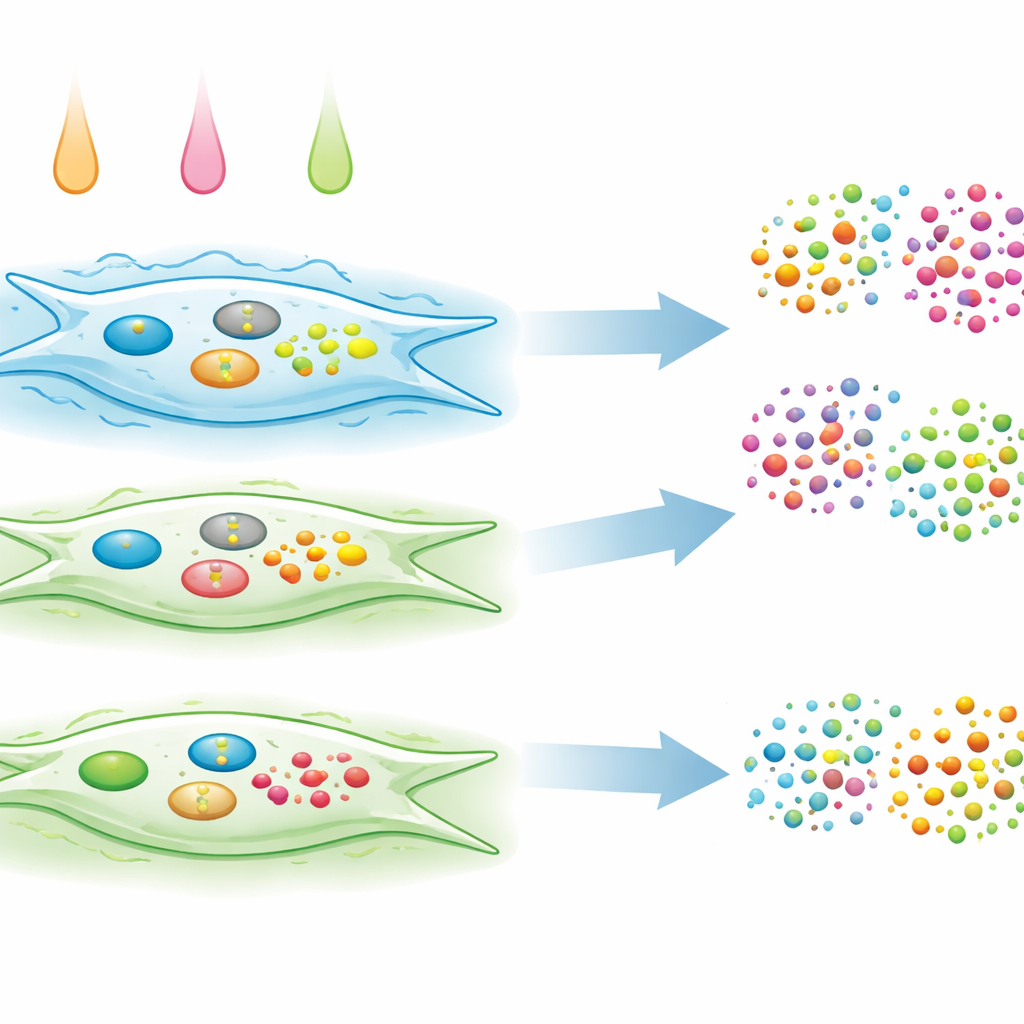
When enriched cell fractions look surprisingly alike
When the researchers compared CD146‑enriched and CD146‑depleted cultures as a whole, differences were again modest. Both fractions ramped up expression of IDO‑1, PD‑L1, PTGS‑2/PGE2, and TSG‑6 genes and proteins when exposed to inflammatory cytokines. CD146‑enriched cells showed clearly higher PD‑L1 protein at baseline and after interferon‑γ or tumor necrosis factor‑α, and they produced either more or less prostaglandin E2 depending on which cytokine was added. Yet for many readouts—including IDO‑1 activity and TSG‑6 levels—the two fractions behaved similarly. Importantly, substantial numbers of CD146‑negative cells still produced immunomodulatory molecules, meaning that CD146 selection alone does not capture all of the “good” cells.
What this means for future stem cell therapies
For readers wondering whether we can simply sort stem cells by one marker to obtain a universally superior therapeutic product, this study offers a cautionary answer: not yet. CD146‑positive periodontal ligament stromal cells sometimes, but not always, make more of the molecules that help quiet inflammation, and many CD146‑negative cells are also active players. The team concludes that CD146 on its own is not a reliable “on/off switch” for selecting the best immunoregulatory cells. Designing robust cell therapies will likely require combining several markers and considering the specific inflammatory environment they will face in the body.
Citation: Behm, C., Miłek, O., Schwarz, K. et al. Immunomediator expression in human periodontal ligament MSCs varies depending on surface CD146 expression. Sci Rep 16, 10195 (2026). https://doi.org/10.1038/s41598-026-38627-z
Keywords: mesenchymal stromal cells, periodontal ligament, CD146, immunomodulation, cytokines