Clear Sky Science · en
An 18-year retrospective analysis of changing patterns in pediatric brucellosis in Jinan, China
Why this childhood illness matters
Most parents worry about colds, flu, or stomach bugs, but far fewer have heard of brucellosis, an infection that jumps from animals to people. This disease, carried mainly by sheep, cattle, and their products, can quietly affect children, causing long-lasting fever and pain. The study described here looks back over 18 years of cases in Jinan, a large city in northern China, to understand when and how local children are getting sick, and what can be done to keep families safer.
Looking back over 18 years of illness
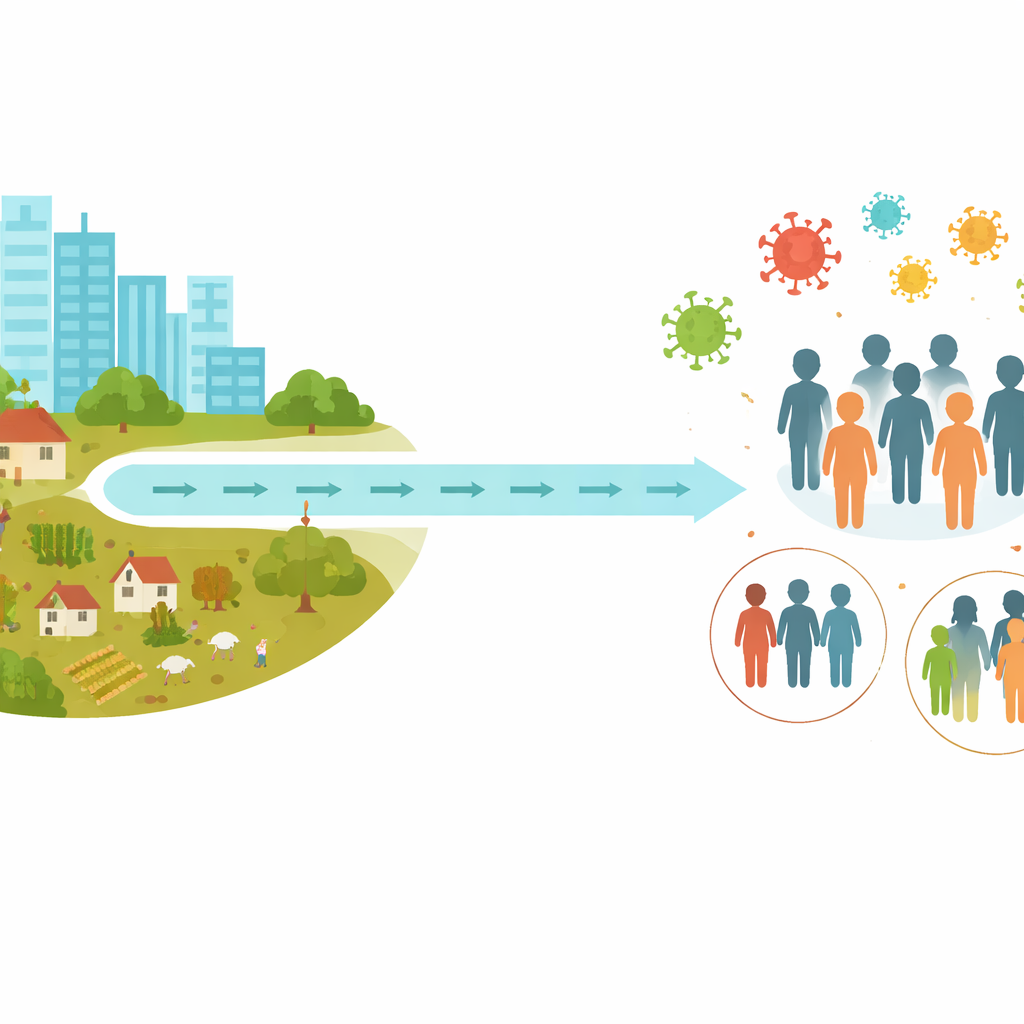
The researchers examined health records for all confirmed brucellosis cases in children 14 years old and younger in Jinan from 2007 to 2024. They found only 48 cases over this long period, which means the overall risk was low—about a quarter of a case per 100,000 children each year. But the pattern was uneven. After a first case in 2007, there were several years with no reports, followed by regular cases almost every year from 2012 onward, with noticeable spikes in 2015 and 2018. Most infections occurred in spring and summer, hinting that farm work, lambing season, and outdoor activities during warmer months may raise the chance of exposure.
Who gets sick and where they live
Brucellosis did not strike children evenly. Slightly more boys than girls were affected, and half of all patients were school-aged children between 6 and 11 years old. The disease was strongly rooted in the countryside: nearly 9 out of 10 sick children lived in rural areas, and some villages with many sheep farms had small clusters of cases. In two neighboring villages, for example, most households raised flocks ranging from a few to dozens of animals, and children frequently played in yards shared with sheep or their droppings. These local details suggest that living close to livestock, rather than general city-wide factors, plays the biggest role in who becomes ill.
Everyday contact and food as hidden gateways
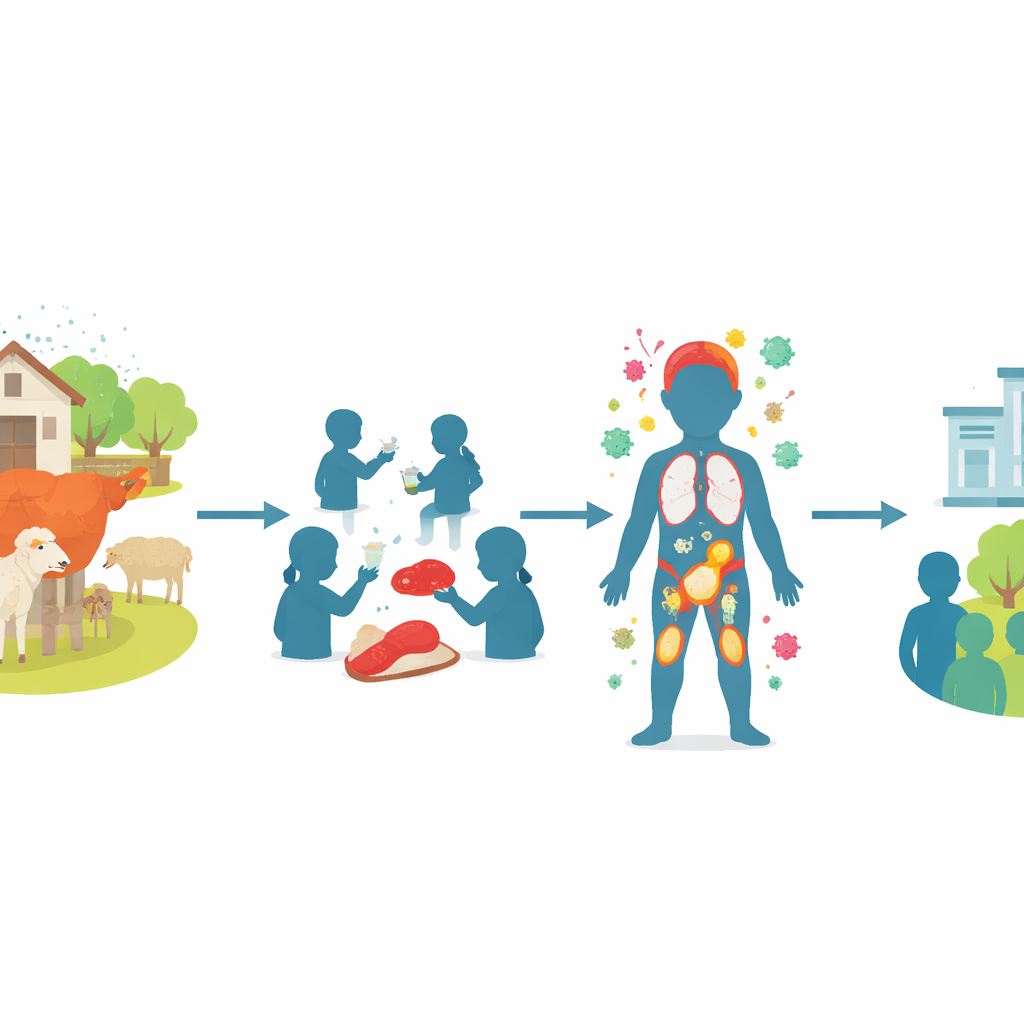
The team looked closely at how each child was likely infected. In almost all cases, they could identify a clear animal source, and sheep were by far the main culprit. About three quarters of the children were probably infected by touching animals, helping to feed or raise them, being near them in crowded pens, or breathing in contaminated dust and droplets—sometimes even when only a neighbor kept sheep. Around one fifth likely became sick through food, mainly by eating undercooked mutton or drinking raw goat milk. Worryingly, none of the exposed children used basic protection such as gloves or masks, and only a minority washed their hands or clothes right after contact with animals. This combination of close contact, risky food habits, and weak hygiene created easy paths for the bacteria to move from barnyard to child.
Subtle symptoms and slow answers
Although brucellosis is caused by bacteria, it does not always look like a classic infection. Almost all of the children in this study had fever, often lasting around 10 days or more, and many also had muscle or joint pain, heavy sweating, and tiredness. Yet these problems resemble common illnesses such as flu or growing pains, and standard lab tests are not unique to brucellosis. On average, doctors took about 10 days from first symptoms to diagnosis, and in some cases much longer. Most children were eventually diagnosed at specialized infectious disease hospitals using targeted blood tests. The study notes that many doctors may not think of brucellosis right away, especially in non-pastoral cities, which adds to delays.
Illness that runs in the family
One striking finding is how often brucellosis appeared within the same household. In more than a third of the families, other members—parents, grandparents, or cousins—were also infected, typically from the same sheep or home butchering activities. In most of these households, the child’s illness was discovered only after another relative had already been diagnosed, sometimes months later. This pattern suggests that once one person in a family has brucellosis, others who share the same animals and food may already be infected but not yet recognized, making active family-wide screening an important safety step.
What this means for parents and communities
Overall, the study shows that while pediatric brucellosis remains relatively rare in Jinan, it is tightly linked to rural life, contact with sheep, and certain eating habits. Children are exposed through everyday activities—feeding animals, playing in shared yards, or enjoying traditional dishes—often without simple protections like handwashing or thorough cooking. Because the early symptoms are vague and easy to mistake for more familiar illnesses, diagnosis can be slow, and whole families can become affected before the problem is recognized. The authors argue that better public education about safe animal contact and food preparation, stronger awareness among doctors, and routine checks of family members in affected households could greatly reduce the toll of this quiet but preventable disease.
Citation: Liu, J., Yang, T., Shan, Z. et al. An 18-year retrospective analysis of changing patterns in pediatric brucellosis in Jinan, China. Sci Rep 16, 11396 (2026). https://doi.org/10.1038/s41598-026-37538-3
Keywords: pediatric brucellosis, zoonotic infection, rural health, livestock exposure, foodborne disease