Clear Sky Science · en
Small-nucleolar RNA host gene3 (SNHG3) and leukemia-associated non-coding IGF1R activator RNA 1 (LUNAR1) correlated with CRC patients’ clinical features: a step-toward ncRNA-precision
Why tiny blood signals may matter for colon cancer
Colorectal cancer is one of the world’s leading killers, in part because it often returns or spreads even after surgery and modern treatments. Doctors rely on blood tests such as CEA and CA19‑9 to keep watch, but these markers can miss many patients at risk. This study explores whether two very small pieces of genetic material that circulate in the blood could offer a more sensitive early warning system and help tailor care more precisely.
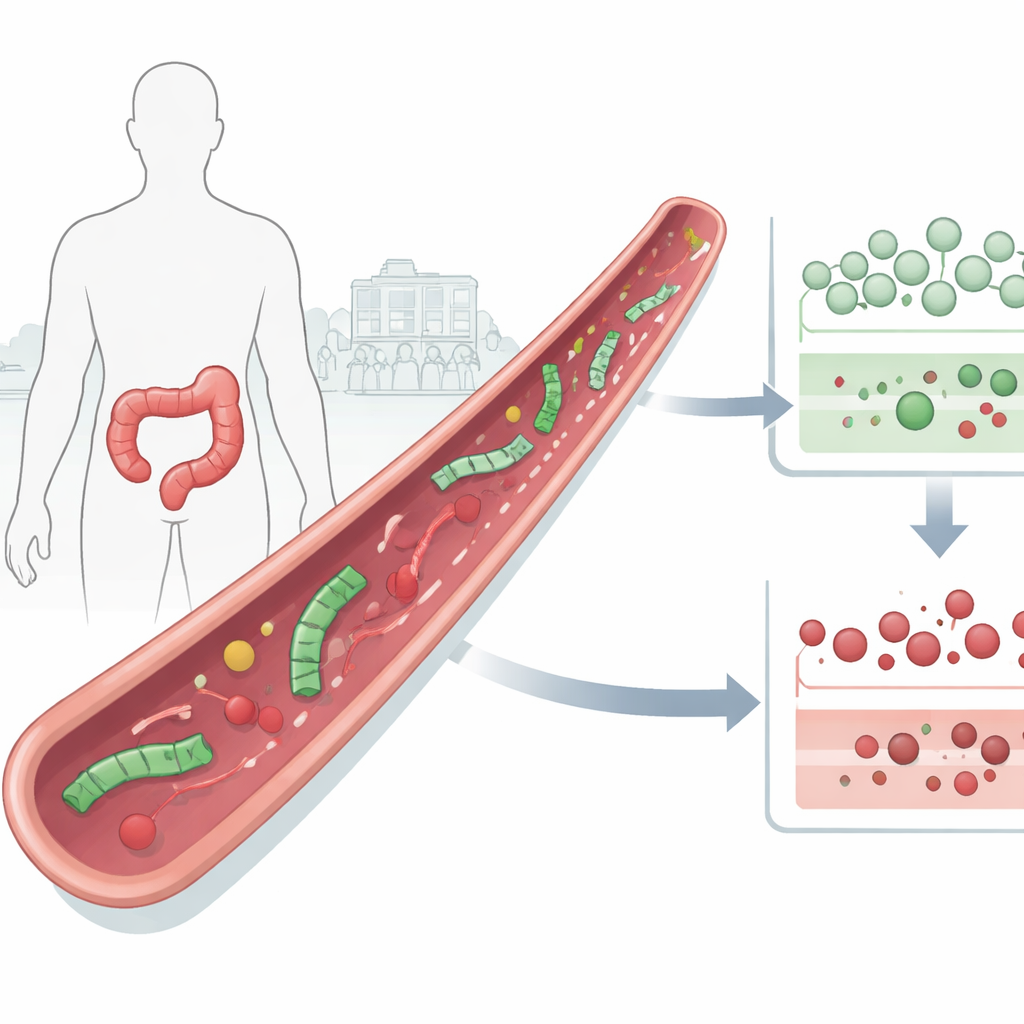
Small messages with a big story
Our cells constantly produce RNA, the working copy of genetic information. Not all RNA makes proteins; some molecules act more like switches and regulators. The researchers focused on two such long non‑coding RNAs, called SNHG3 and LUNAR1, which are linked to a communication route in cells known as the Notch pathway. Earlier work had shown that these RNAs are elevated inside tumor tissue in several cancers, including colorectal cancer, and are tied to faster growth and spread. What remained unknown was whether their levels in the bloodstream of patients could serve as convenient, non‑invasive markers of disease behavior.
A closer look at patients’ blood
The team recruited 70 Egyptian patients newly diagnosed with colorectal cancer, before they had received surgery, chemotherapy, or radiotherapy, and compared them with 26 healthy volunteers of similar age and sex. From simple blood draws, they isolated serum and measured the amounts of SNHG3 and LUNAR1 using a highly sensitive technique that can detect tiny amounts of RNA. They also collected detailed information on each patient’s tumor—its size, depth of invasion, spread to lymph nodes or blood vessels, and overall stage—alongside routine lab tests and the standard tumor markers CEA and CA19‑9.
What the new markers revealed
Both SNHG3 and LUNAR1 were sharply higher in the blood of cancer patients than in healthy people. SNHG3 levels, in particular, rose in patients with more advanced disease (stage III–IV) and were strongly linked to worrisome features: larger tumors, deeper penetration through the bowel wall, invasion of blood vessels, and spread to lymph nodes. LUNAR1 was also higher in patients with bigger tumors and deeper invasion, though it did not clearly separate early from late stages on its own. The two RNAs tended to rise together and were positively related to the conventional markers CEA and CA19‑9, suggesting they are part of the same broader biological picture of aggressive disease.
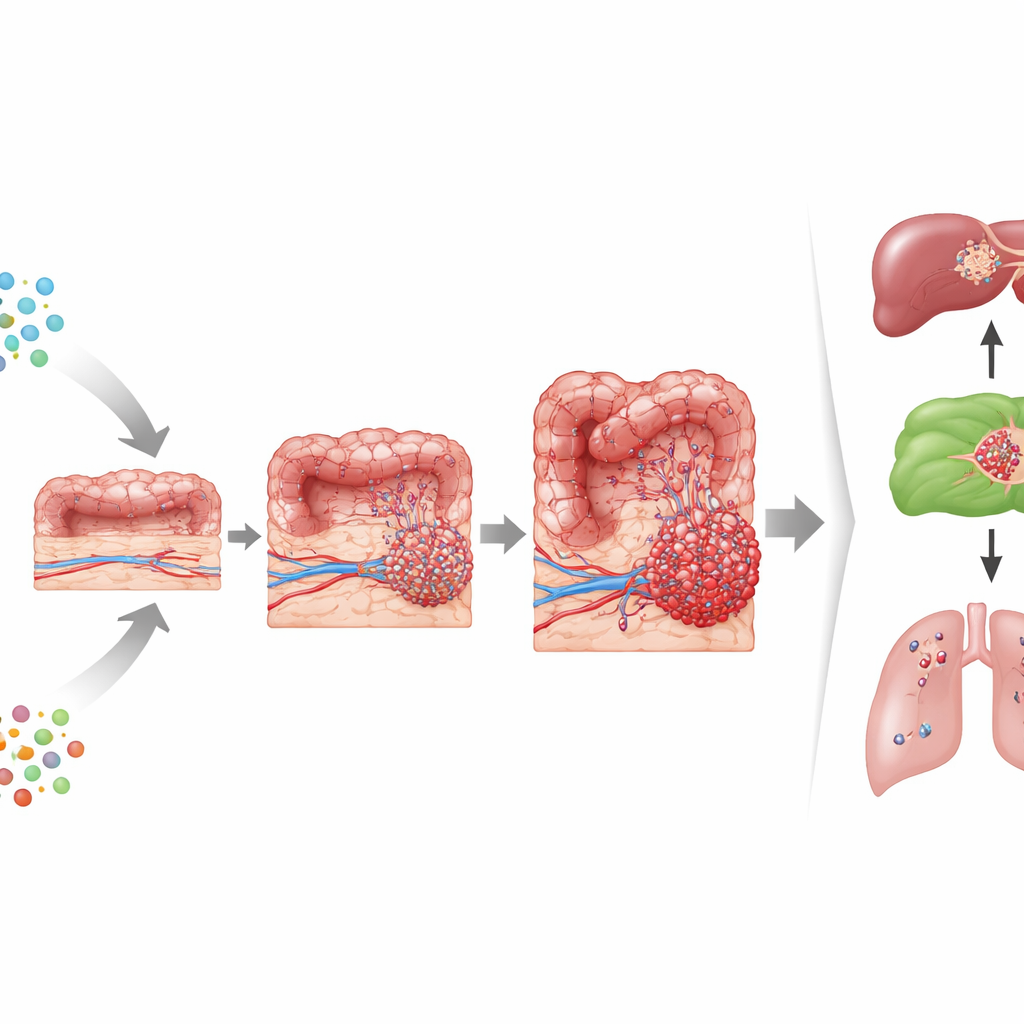
Sharper tests than today’s standards
Using diagnostic performance analyses, the researchers found that both RNA signals outperformed traditional markers in distinguishing patients with colorectal cancer from healthy controls. SNHG3, at an optimal threshold, correctly identified about 93% of patients and correctly reassured about 96% of healthy individuals—a much higher sensitivity than CEA or CA19‑9. LUNAR1 also showed strong performance, and combining the two RNAs together, or pairing them with existing markers, further improved accuracy. Computer‑based analyses of genetic databases supported these findings, linking the RNAs to cancer‑related networks that include growth‑factor and Notch signaling, and hinting at possible drug targets that might eventually interfere with these routes.
What this could mean for patients
To a lay reader, the main message is that a simple blood test measuring tiny RNA molecules might someday help doctors track colorectal cancer more reliably than current tools. Because SNHG3 and LUNAR1 levels are higher when tumors are larger, more invasive, or spreading, they could help flag patients who need closer follow‑up, more intensive treatment, or earlier intervention when cancer returns. The work is still preliminary and based on a single group of patients, and it does not yet prove how best to use these markers in everyday care. But it offers a promising step toward more precise, non‑invasive monitoring—and toward therapies that might one day target the same molecular signals these blood tests detect.
Citation: Emam, O., Wasfey, E.F., Elnakib, M. et al. Small-nucleolar RNA host gene3 (SNHG3) and leukemia-associated non-coding IGF1R activator RNA 1 (LUNAR1) correlated with CRC patients’ clinical features: a step-toward ncRNA-precision. Sci Rep 16, 7825 (2026). https://doi.org/10.1038/s41598-026-37432-y
Keywords: colorectal cancer, liquid biopsy, long non-coding RNA, cancer biomarkers, Notch signaling