Clear Sky Science · en
AI driven system for enhancing consumer electronics through maintenance personalization and security
Smarter Gadgets for Everyday Life
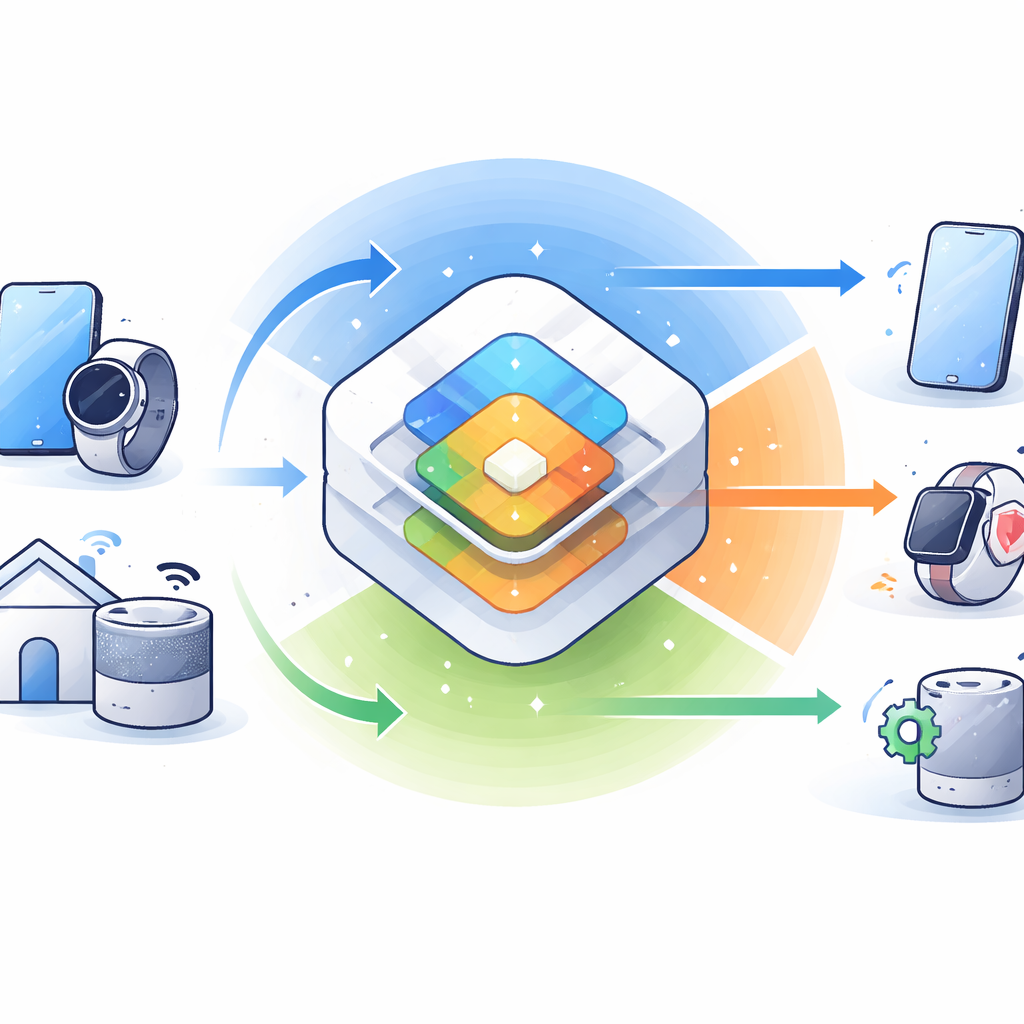
Our homes, pockets, and workplaces are filled with electronics that quietly do a lot for us—until they fail, feel clunky to use, or get hacked. This paper presents GenAI-A, a new kind of artificial intelligence system designed to make everyday devices such as phones, wearables, and smart home gadgets more reliable, more tailored to each person, and harder to break into. It combines several advanced AI techniques so that gadgets can watch how they are used, learn from that experience, and continuously fine‑tune how they behave.
Why Today’s Devices Still Fall Short
Most consumer electronics are managed with fairly simple software rules: send an alert after something breaks, offer a handful of fixed setting profiles, and bolt on security checks that can be both annoying and easy to fool. These approaches struggle with modern gadgets, which generate huge amounts of data and operate in changing conditions. Traditional models often miss rare but important failure patterns, cannot quickly adjust when a user’s habits change, and raise too many false alarms when monitoring for intruders or misuse.
A Unified Brain for Maintenance, Comfort, and Safety
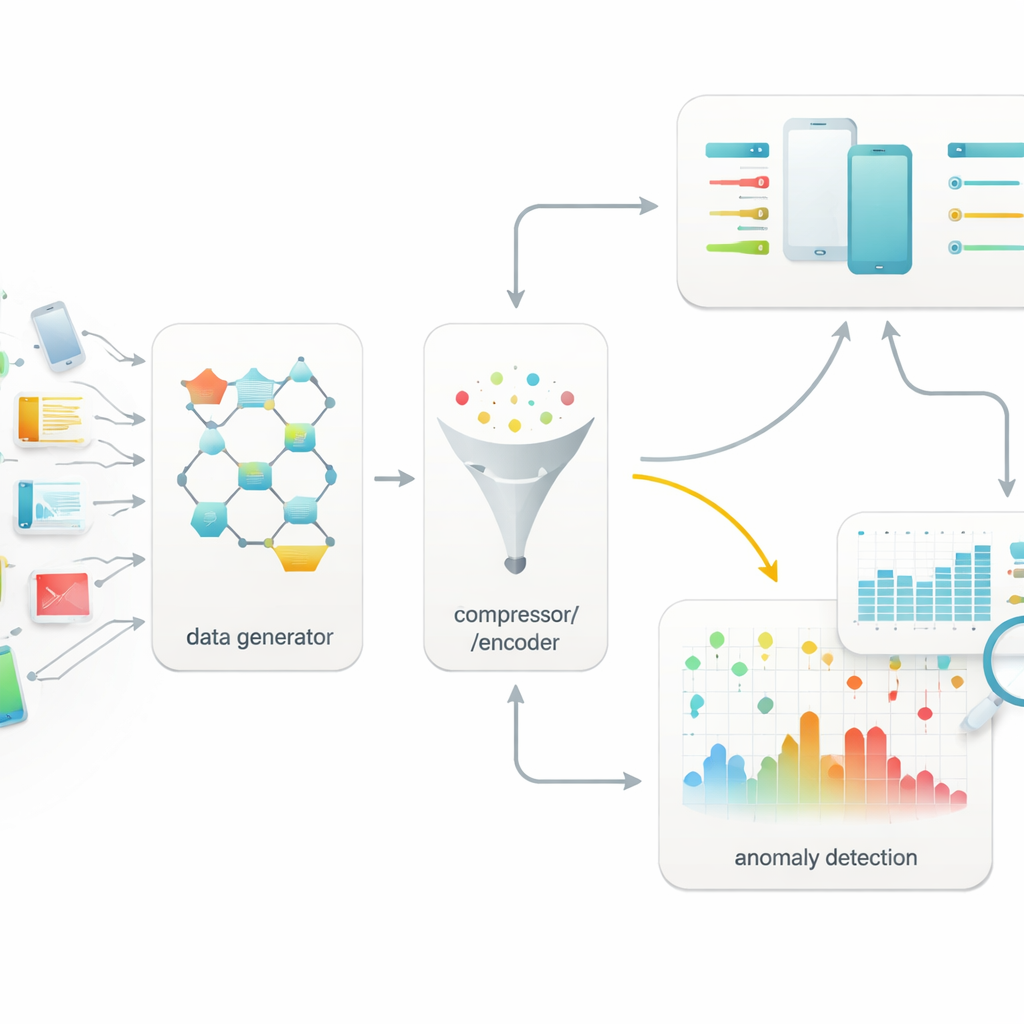
GenAI-A tackles these gaps by acting as a unified “brain” that serves three jobs at once: it predicts when devices will need maintenance, it adapts their behavior to each user in real time, and it strengthens biometric security such as face recognition. Under the hood, it blends two powerful data‑creating engines with a personalization module and an anomaly detector, all sharing a common internal representation of the data. This shared inner space allows the system to reuse what it learns about device behavior, user habits, and security signals instead of treating these as separate problems.
How the Hybrid AI Learns and Adapts
One part of GenAI-A acts like a simulator that invents realistic “what if” examples, including rare device failures or tricky face images that are not well represented in the original data. Another part compresses both real and simulated data into compact patterns that capture what matters most while filtering out noise. A recommendation module then works in this compressed space to suggest adjustments to device settings—such as changing performance profiles or notification behavior—based on how a person actually uses their devices over time. At the same time, an anomaly engine scans for unusual behavior in sensors, energy use, or biometric readings and can warn of impending breakdowns or suspicious activity before they become serious problems. These pieces are tied together with a feedback loop so that mistakes in one area help improve the others.
Testing Across Phones, Homes, Faces, and Factories
To see whether this design works in practice, the researchers tested GenAI-A on four very different real‑world datasets: phone motion sensors for spotting hardware problems, a large collection of face photos for secure unlocking, smart home power usage for energy management, and semiconductor manufacturing records for catching faults in production. Across all of these, the system outperformed standard machine learning methods and even several recent deep‑learning and transformer‑based models. It predicted failures earlier and more accurately, adapted recommendations to users more effectively, and improved biometric checks by cutting down on false acceptances without blocking legitimate users.
What This Means for Everyday Users
For a layperson, the takeaway is that GenAI-A points toward gadgets that quietly take better care of themselves, feel more like they “understand” how you use them, and keep your data and identity safer—all without constant tinkering or updates from you. By fusing powerful data‑generation tools with adaptive personalization and security, and letting them learn together rather than in isolation, this framework offers a blueprint for electronics that are more durable, more comfortable to live with, and more trustworthy over time.
Citation: Simaiya, S., Singh, V., Challa, P. et al. AI driven system for enhancing consumer electronics through maintenance personalization and security. Sci Rep 16, 12483 (2026). https://doi.org/10.1038/s41598-026-37401-5
Keywords: consumer electronics, predictive maintenance, personalized devices, biometric security, generative AI