Clear Sky Science · en
Altered serum biomarkers of oxidative stress and antioxidant capacity in primary open-angle glaucoma
Why eye pressure is only part of the story
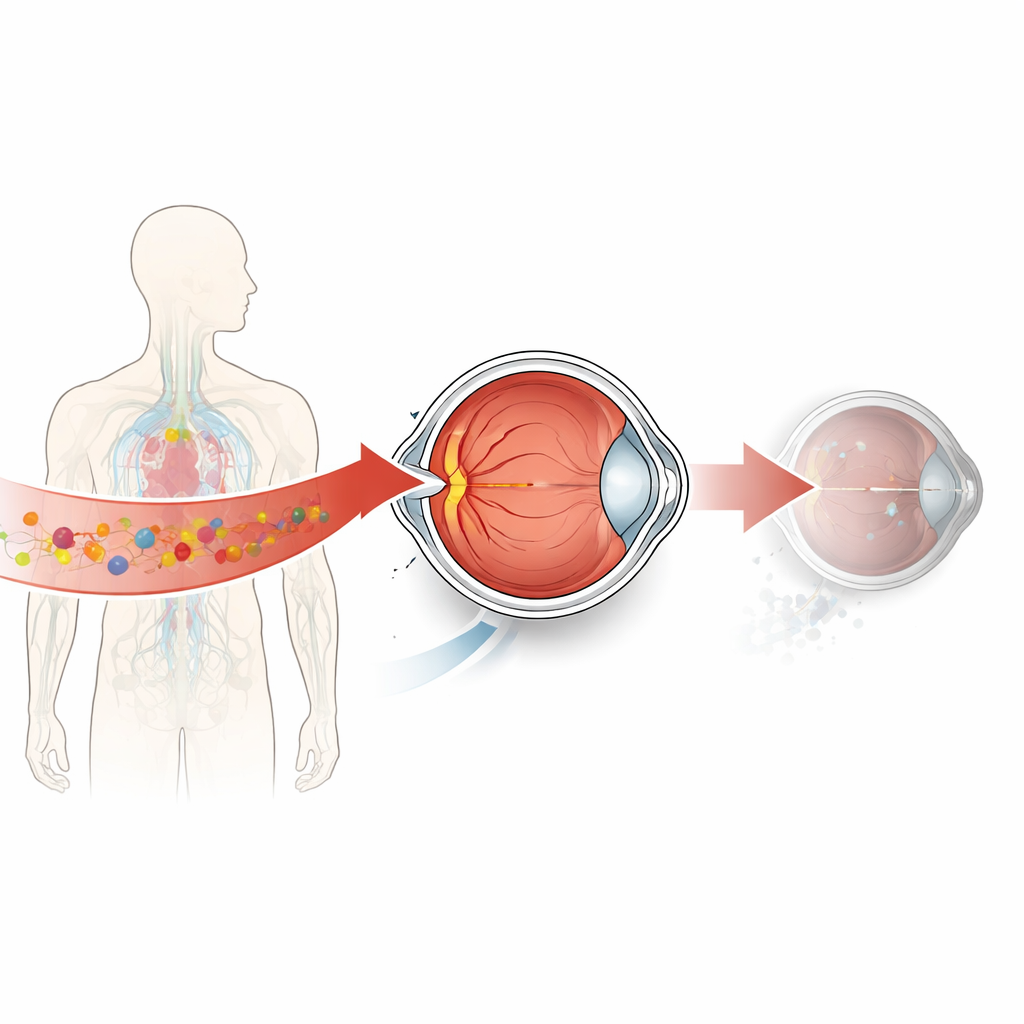
Glaucoma is often described as a problem of high pressure inside the eye slowly stealing sight. But pressure is not the whole story. This study looks at what is happening in the blood of people with primary open-angle glaucoma, the most common form of the disease. By examining chemical clues linked to cell damage and the body’s defenses, the researchers ask a simple but important question: are people with glaucoma living in a state of higher internal “rust,” and do they have fewer tools to fight it?
A silent thief of sight
Primary open-angle glaucoma is a long-lasting condition in which the drain of the eye becomes less efficient, eye pressure tends to rise, and the cable carrying signals from the eye to the brain—the optic nerve—slowly deteriorates. This damage usually begins at the edges of our field of view and can advance for years before a person notices symptoms. Standard care focuses on lowering eye pressure with drops, laser, or surgery. Yet not everyone with high pressure goes blind, and some people with only modest pressure still lose vision. These puzzles have led scientists to search for other factors that might make optic nerve cells more fragile.
When the body’s “rust” builds up
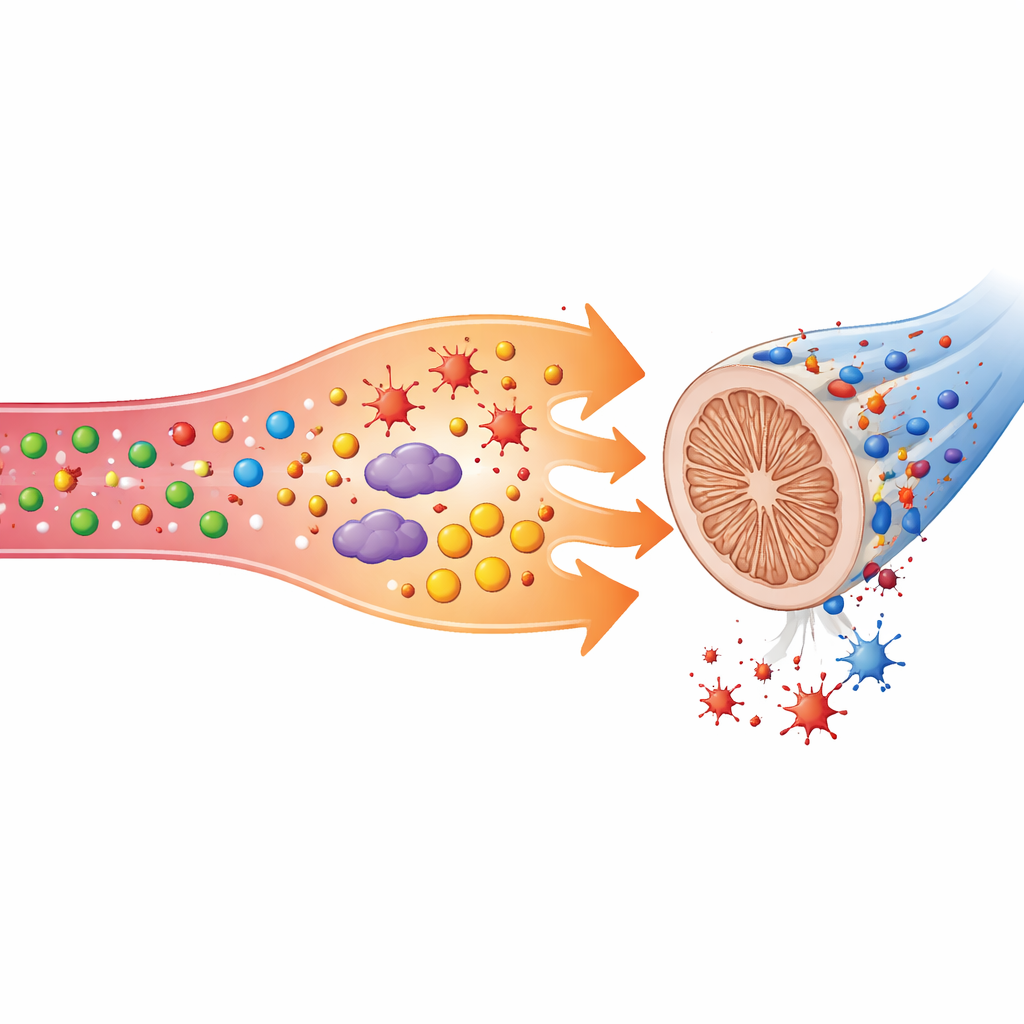
One suspect is oxidative stress, a kind of internal wear-and-tear that happens when reactive oxygen by-products accumulate faster than the body can neutralize them. These reactive molecules can damage fats in cell membranes, proteins, and even DNA. To probe this idea, the researchers measured three markers in the blood of 48 people with primary open-angle glaucoma and 54 similar people without eye disease. Two of the markers, ischemia-modified albumin and malondialdehyde, rise when oxidative damage is high. The third, total thiol, reflects the strength of the body’s natural antioxidant shield.
What the blood tests revealed
The comparison between the two groups was striking. People with glaucoma had much higher levels of the two damage-linked markers and noticeably lower levels of the protective marker. In other words, their blood chemistry suggested more “attack” and less “defense.” These differences were not subtle; statistical testing showed that they were highly unlikely to be due to chance. The study carefully excluded other illnesses, smoking, and vitamin supplements that might have muddied the picture, strengthening the link between glaucoma and this imbalance of oxidants and antioxidants.
Fitting into the bigger picture
These findings echo earlier work showing raised oxidative markers and weakened antioxidant systems in various eye diseases, including other forms of glaucoma. Albumin, one of the most abundant blood proteins, becomes altered under stressful, low-oxygen conditions, turning into ischemia-modified albumin. Fats in cell membranes, when attacked, break down into malondialdehyde. Thiol-containing molecules, on the other hand, normally help keep the cellular environment in balance and protect tissues from harm. Shifts in these substances have been reported in heart disease, liver disorders, bowel disease, and now again in glaucoma, hinting at shared pathways of chronic damage throughout the body.
What this means for patients and future care
For someone living with or at risk for glaucoma, this study suggests that the health of the blood and the body’s defense systems may matter as much as the pressure reading in the eye. The work does not prove that oxidative stress causes glaucoma, in part because it looked at patients at a single point in time and involved a modest number of participants. But it strengthens the idea that a long-term imbalance between damaging molecules and antioxidant defenses contributes to optic nerve injury. Larger, long-term studies could confirm whether these blood markers help predict who will develop glaucoma or whose disease will worsen. If so, future treatments might not only lower eye pressure but also aim to rebalance this internal chemistry—by boosting defenses, reducing sources of oxidative damage, or both.
Citation: Seven, E., Tekin, S., Demir, C. et al. Altered serum biomarkers of oxidative stress and antioxidant capacity in primary open-angle glaucoma. Sci Rep 16, 12307 (2026). https://doi.org/10.1038/s41598-026-37221-7
Keywords: glaucoma, oxidative stress, antioxidants, eye disease, biomarkers