Clear Sky Science · en
Chlorogenic acid and gallic acid synergistically reduce hyperglycemia and hyperlipidemia in diabetic BALB/c mice
Natural helpers for blood sugar control
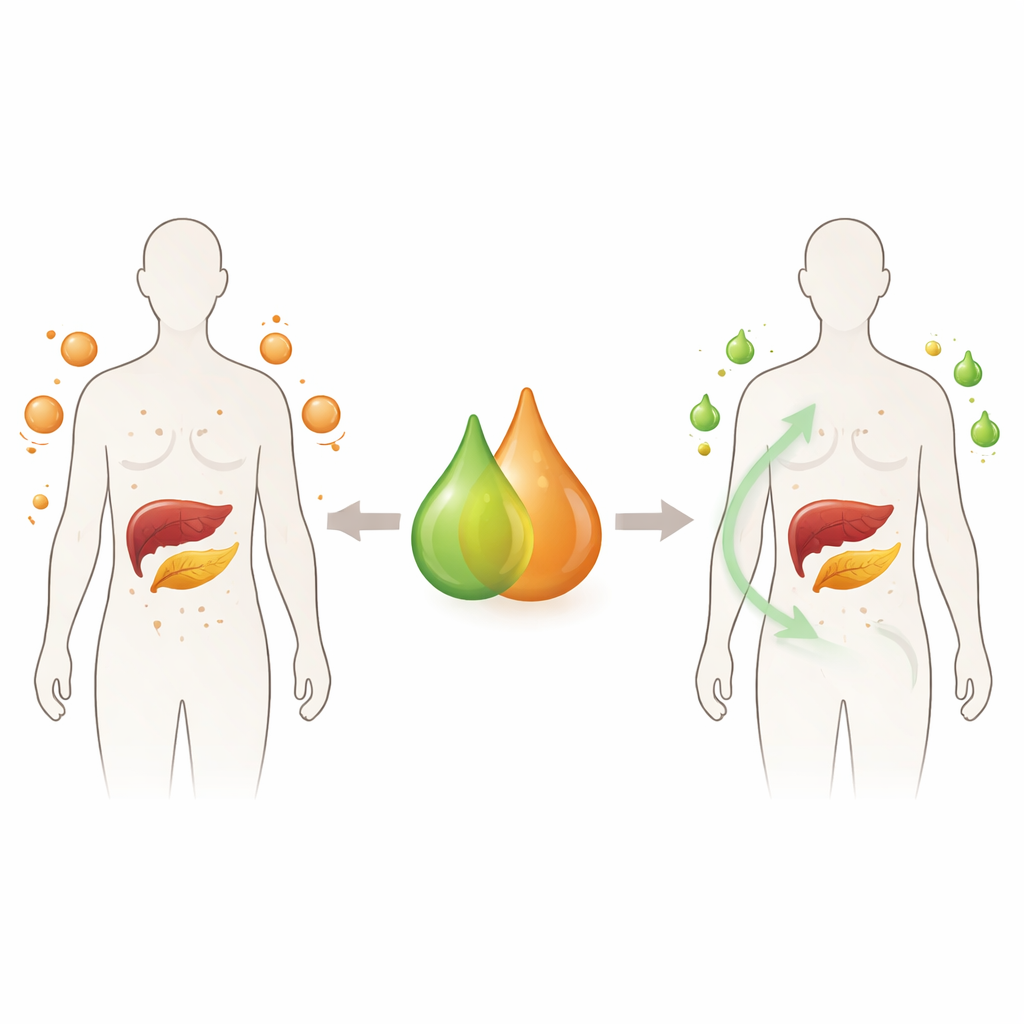
Diabetes is on the rise worldwide, and many people need more than one medicine to keep their blood sugar and cholesterol in check. This study explores whether two natural substances found in everyday foods and plants – chlorogenic acid (common in coffee and some fruits) and gallic acid (present in tea, berries and nuts) – can work together to better control diabetes and protect vital organs, potentially offering a gentler companion or alternative to standard drugs.
Why combining gentle remedies matters
Type 2 diabetes is not caused by a single fault in the body. High blood sugar typically goes hand in hand with unhealthy blood fats, low-grade inflammation and damage to organs such as the liver and pancreas. Existing drugs can be effective, but long-term use may bring side effects like low blood sugar episodes, weight gain or fluid retention, and some patients eventually respond less well. Because the disease affects many systems at once, there is growing interest in combining treatments that act on several problem points together, especially if they come from well-known food-based compounds with a good safety record.
Two plant compounds under the microscope
The researchers focused on chlorogenic acid and gallic acid because both have been separately linked to antioxidant and blood sugar–lowering effects. First, they used computer models to predict how these molecules behave in the body and whether they might interact with proteins that help control blood sugar, blood fats and inflammation. The simulations suggested that both compounds are likely to be absorbed, processed and cleared safely, without obvious signs of genetic damage or cancer risk. They also appeared to latch strongly onto several key proteins involved in diabetes, often more tightly than the widely used diabetes drug metformin, hinting that they could influence multiple pathways at once.
From test tubes to living animals
Next, the team tested the compounds in the lab. In simple chemical assays, each compound could neutralize harmful free radicals – unstable molecules that damage cells – but their mixture was clearly stronger than either alone. The same pattern appeared when measuring how well they could slow down an enzyme that breaks starch into sugar: each one had a modest effect, while the combination blocked the enzyme almost by half, suggesting that together they could soften the sharp rise in blood sugar after a meal.
Protecting blood, liver and pancreas in diabetic mice
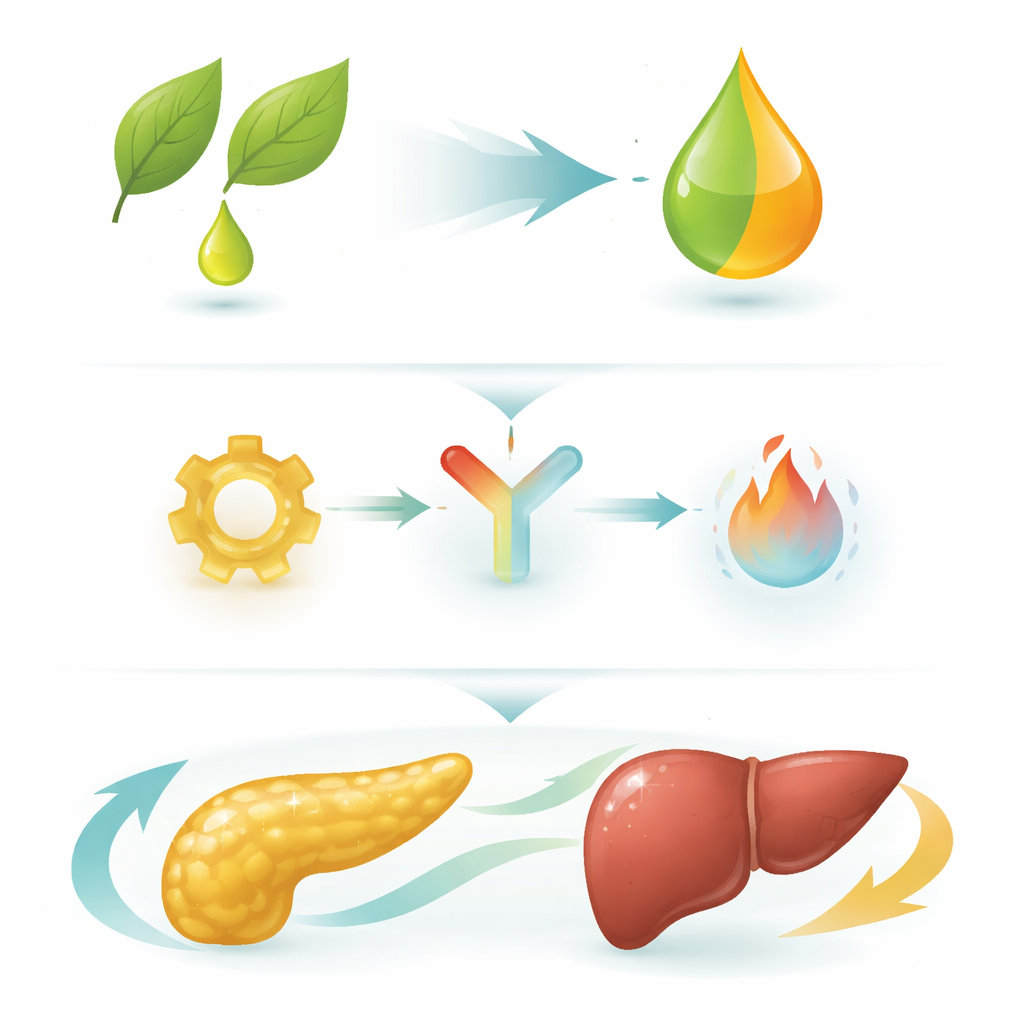
The most telling experiments involved mice in which a drug cocktail had been used to mimic human type 2 diabetes, producing high blood sugar, unhealthy cholesterol and signs of liver stress. Over four weeks, diabetic mice received either chlorogenic acid, gallic acid, their combination or metformin by mouth. All treated groups showed lower blood sugar by the end, but the combination worked best, beating even metformin in this model. The mixture also gave the strongest improvement in blood fats, lowering total cholesterol, harmful LDL and triglycerides, while boosting protective HDL. Blood tests for liver health, which were strongly disturbed in untreated diabetic animals, moved back toward normal most clearly in the combination group.
Calming inflammation and repairing tissues
When the scientists looked more closely at the animals’ livers, they found that diabetes had switched on genes that drive inflammation and scarring, while dialing down a gene that helps the body handle fats and respond to insulin. Treatment with either plant compound nudged these signals back toward a healthier pattern, but again the mixture had the greatest normalizing effect. Under the microscope, the pancreases and livers of untreated diabetic mice showed shrunken insulin-producing clusters, swollen liver cells and heavy inflammatory damage. Mice given the combined plant treatment showed much more normal tissue structure with fewer signs of injury, similar to – and in some respects better than – those given metformin.
What this could mean for people with diabetes
Put simply, this study suggests that pairing chlorogenic acid and gallic acid can tame high blood sugar and unhealthy blood fats more effectively than using either compound alone, at least in diabetic mice. The duo seems to work on several fronts at once: mopping up damaging free radicals, slowing the breakdown of starch into sugar, calming inflammatory signals and protecting the liver and pancreas. While these results do not yet prove that such a combination will work the same way in humans, they point to a promising, food-derived strategy that might one day complement or ease reliance on conventional diabetes drugs, pending careful clinical testing.
Citation: Hassan, M., Ali, M., Altaf, J. et al. Chlorogenic acid and gallic acid synergistically reduce hyperglycemia and hyperlipidemia in diabetic BALB/c mice. Sci Rep 16, 13792 (2026). https://doi.org/10.1038/s41598-026-37188-5
Keywords: type 2 diabetes, natural compounds, chlorogenic acid, gallic acid, combination therapy