Clear Sky Science · en
Effects of automated insulin delivery systems on glucose control in subgroups of adults with type 1 diabetes in clinical practice over 2 years in Sweden
Why smarter insulin systems matter
For adults living with type 1 diabetes, keeping blood sugar in a healthy range day and night is a demanding, never‑ending job. Modern "automated" insulin systems promise to take over part of this work by linking a glucose sensor with an insulin pump that adjusts doses in real time. This study followed Swedish adults using two such systems over almost two years to see who benefits most, how much blood sugar control actually improves in everyday life, and what practical problems people run into.
New tools for daily life with diabetes
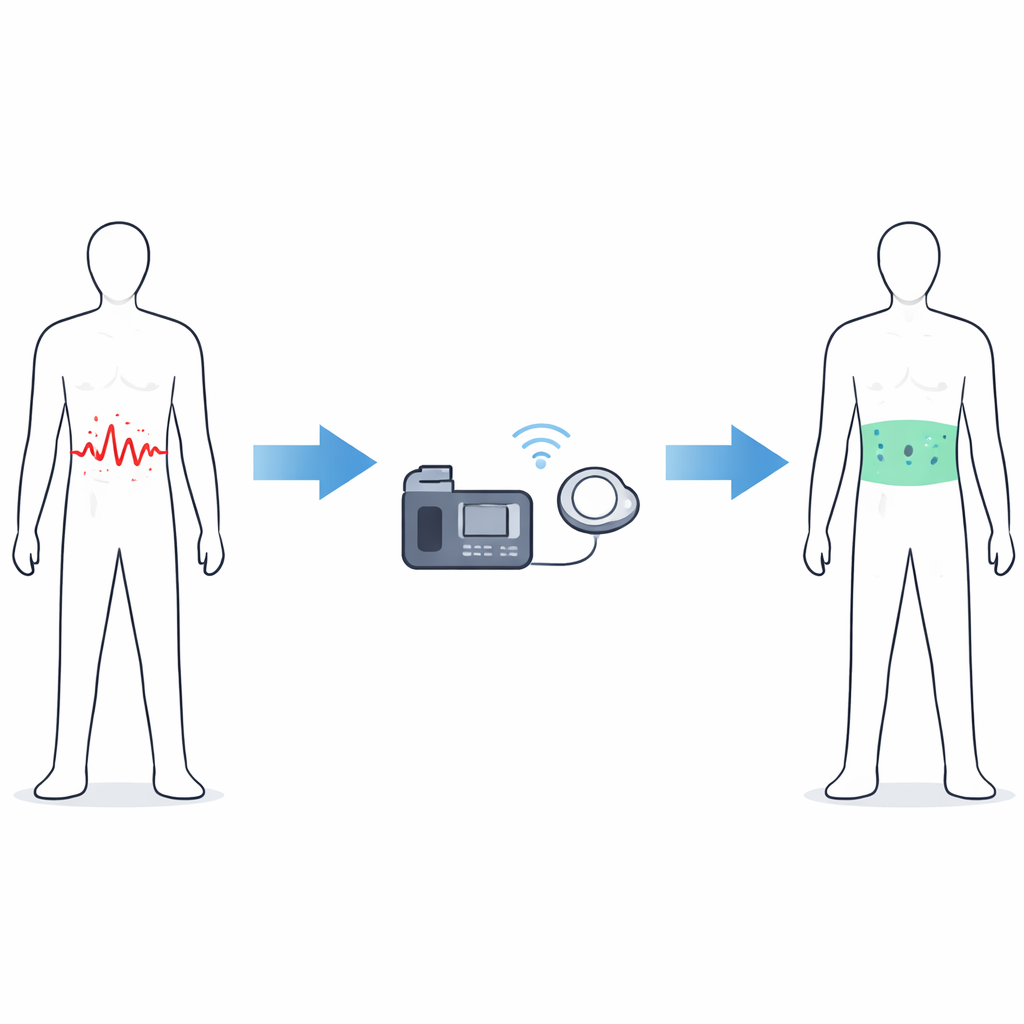
The research focused on adults with type 1 diabetes who started using one of two widely available automated insulin delivery systems. These systems continuously read sugar levels through a small sensor under the skin and communicate with a pump that fine‑tunes insulin delivery around the clock. The team collected years of blood tests and sensor readings from 142 people treated at six clinics in Sweden, along with a questionnaire on side effects and day‑to‑day hassles. This real‑world design aimed to capture what happens in routine care, not just under ideal conditions in a clinical trial.
Who gained the most benefit
A clear pattern emerged: those who started out with the worst blood sugar control saw the biggest improvements after switching to automated insulin delivery. People with higher long‑term sugar levels (measured by HbA1c) and less time spent in their target range at the beginning experienced the largest drops in HbA1c and the biggest jumps in time in range. For example, someone starting with clearly elevated HbA1c could lower it by more than one percentage point, while someone already closer to target saw a smaller but still meaningful reduction. Importantly, these gains appeared regardless of sex, body weight, smoking, diabetes duration, or whether a person had previously used insulin injections or a traditional pump.
Balancing highs and lows
The study also explored how improvements in average sugar levels related to the risk of low blood sugar. People with relatively good HbA1c before switching often had more low‑sugar episodes at baseline. After starting automated delivery, this group tended to reduce time spent with low sugar the most, even as they maintained or modestly improved overall control. In contrast, those with very high starting HbA1c lowered their levels substantially but showed only small changes in time spent low. Overall, the systems shifted people toward more time in the healthy middle zone without triggering a surge in dangerous lows, suggesting they can help break the common trade‑off between avoiding highs and avoiding lows.
Age, devices, and everyday annoyances
When the researchers looked separately at the two specific systems, they found one notable difference: among users of the MiniMed 780G system, older adults tended to improve their time in range more than younger adults. This may hint that younger users, whose lives often involve irregular meals and activities, could need extra support to get the most out of the technology. On the downside, about one in three participants reported skin reactions to the sticky materials that hold sensors and infusion sets in place, with a trend toward more complaints among women. Severe low‑sugar events were rare, and no episodes of dangerous ketoacidosis were reported during follow‑up.
What this means for people with type 1 diabetes
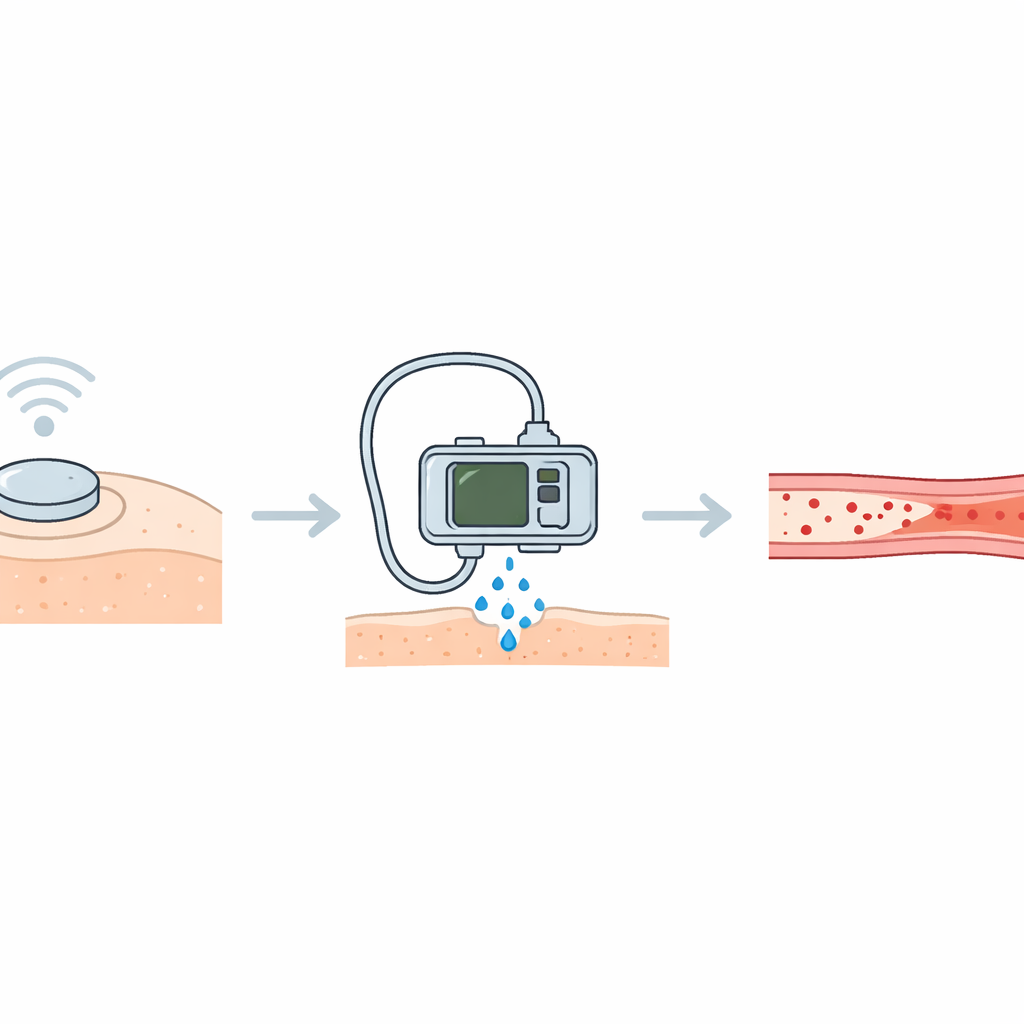
In plain terms, this study shows that automated insulin delivery systems can substantially improve blood sugar control for a wide range of adults living with type 1 diabetes in everyday Swedish clinics. People starting from poor control gain the most in lowering long‑term sugar levels, while those already closer to their goals can still benefit, especially through fewer low‑sugar episodes. Apart from skin irritation in some users, serious problems were uncommon. These findings support the idea that making such systems more widely available could ease the daily burden of diabetes management and help more people spend their lives in a safer, healthier blood sugar range.
Citation: Singh, R., Imberg, H., Seyed Ahmadi, S. et al. Effects of automated insulin delivery systems on glucose control in subgroups of adults with type 1 diabetes in clinical practice over 2 years in Sweden. Sci Rep 16, 11001 (2026). https://doi.org/10.1038/s41598-026-37158-x
Keywords: type 1 diabetes, automated insulin delivery, hybrid closed loop, time in range, glucose control