Clear Sky Science · en
Genome-wide transcriptional profiling identifies molecular markers associated with early carcinogenesis in high-grade bladder cancer
Why this research matters
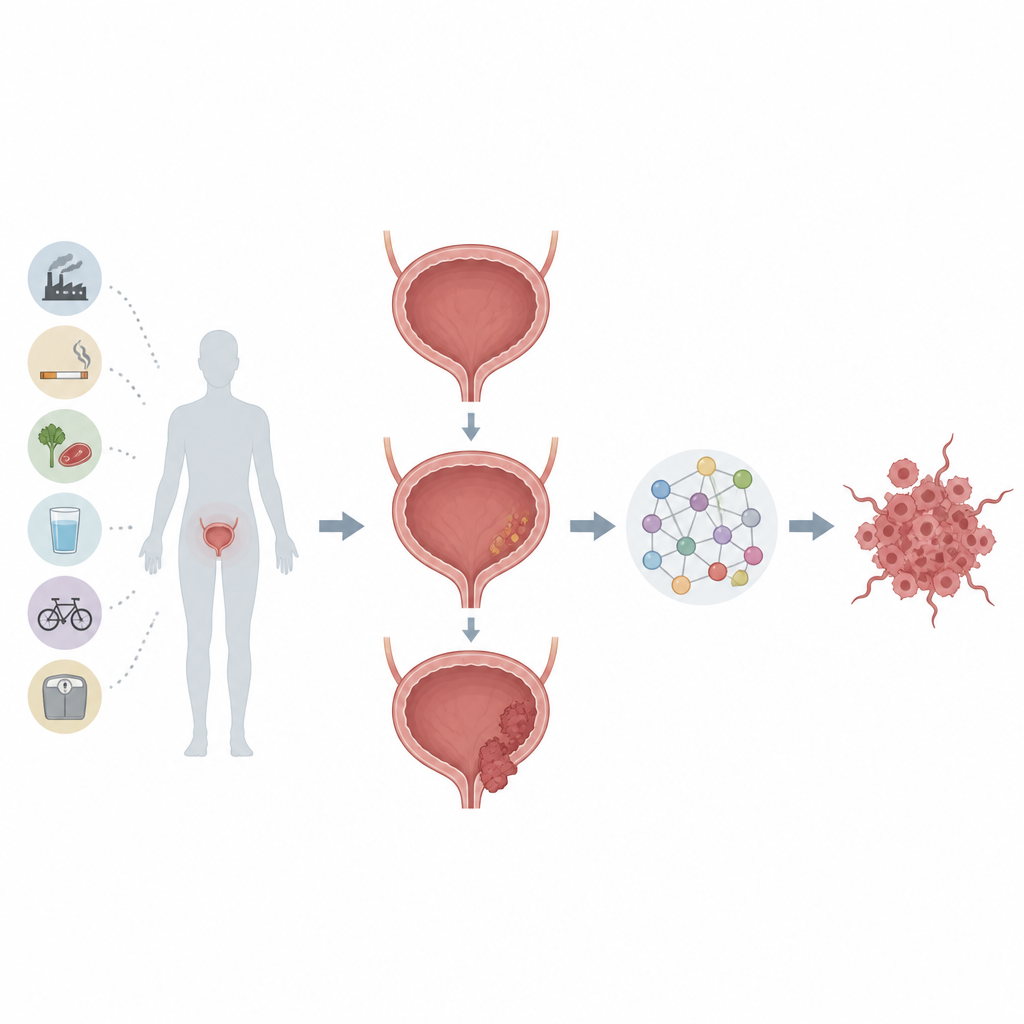
Bladder cancer is one of the most common cancers worldwide, and while many cases are caught early, some tumors quickly become aggressive and life threatening. Doctors know that early detection and better risk prediction can save lives, but they still lack reliable molecular warning signs that flag which tumors are likely to invade and spread. This study looks deep inside high-grade bladder tumors to find patterns of gene activity that could serve as early markers of dangerous disease.
Looking at cancer through gene activity
Instead of focusing only on DNA mutations, the researchers examined which genes were actually switched on or off in tumor tissue compared with nearby normal bladder lining from the same patients. They collected high-grade bladder tumors and matched noncancerous samples from 12 individuals who had not received prior bladder cancer treatment. Using a whole-genome microarray platform, they measured the activity of tens of thousands of genes at once. Advanced computer tools then searched for consistent differences and grouped these genes into biological pathways and interaction networks.
Key changes in the tumor environment
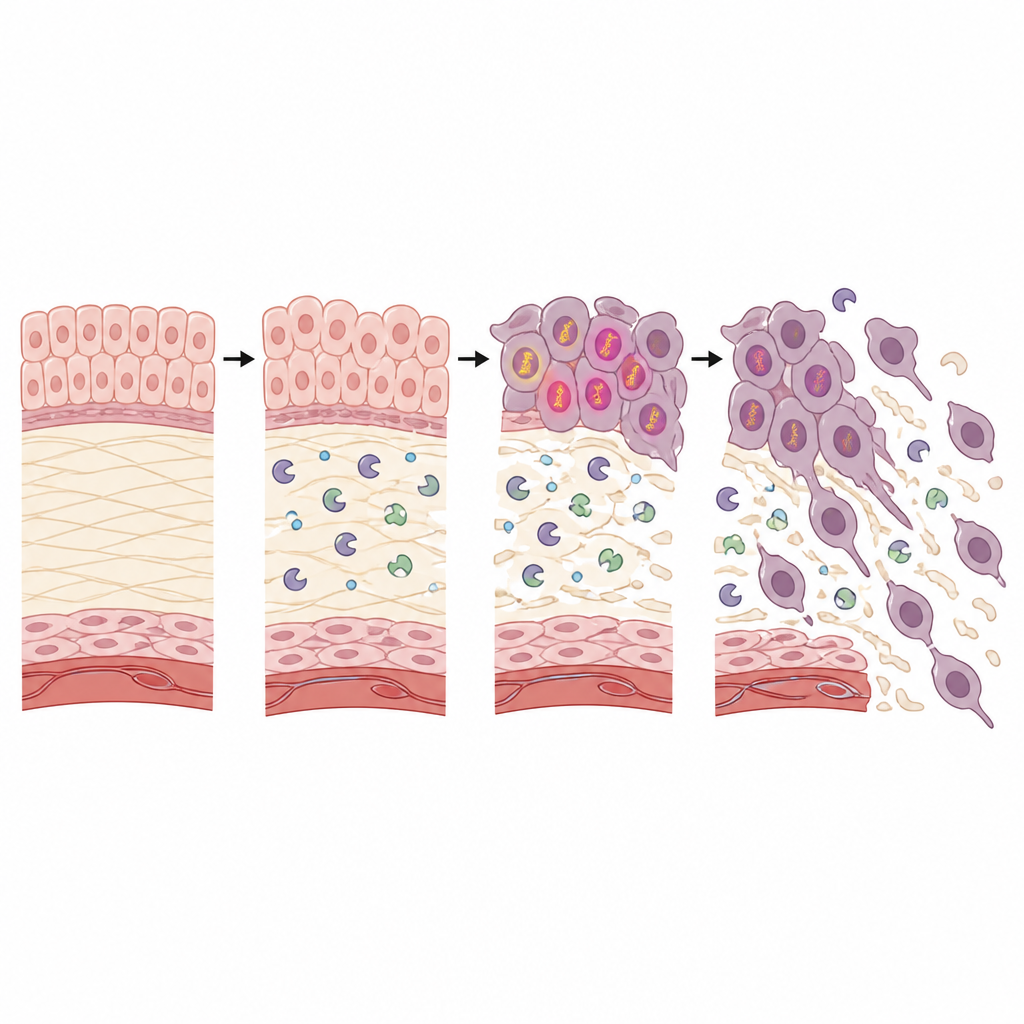
One of the strongest signals involved enzymes that remodel the material surrounding cells, known as the extracellular matrix. Several members of the matrix metalloproteinase family showed higher activity in tumors. These proteins act like molecular scissors, cutting through collagen and other structural components. The analysis revealed that pathways related to collagen breakdown, matrix degradation, and activation of these enzymes were among the most statistically important. Such changes help cancer cells loosen their local environment, making it easier for them to invade deeper layers of the bladder wall and eventually spread.
Signals that drive growth and spread
The team also observed higher activity in genes that control how cells divide and respond to inflammatory signals. Tumors showed increased expression of cell cycle regulators such as Cyclin A2 and CDC20, which help push cells through the division process, as well as CDC45, which helps copy DNA. At the same time, genes in the STAT family and tumor necrosis factor related genes, which respond to immune messengers and stress signals, were more active. Together, these patterns point to a tumor environment where cells receive strong prompts to proliferate, survive, and move, while local inflammation further fuels aggressive behavior.
Building networks of interacting genes
By mapping how these upregulated genes connect to each other, the researchers found two major clusters. One cluster centered on cell division and cancer-related processes, while the other involved inflammation, cell signaling, and interactions between cells and their surroundings. Many of the same genes appeared at the hub of multiple pathways, suggesting they may play outsized roles in driving early bladder carcinogenesis. Importantly, several of these genes have already been linked to invasion, metastasis, and the growth of new blood vessels in other cancers, reinforcing their potential importance here.
What this could mean for patients
The study suggests that a specific set of genes related to matrix breakdown, cell division, and inflammatory signaling may act as molecular markers of early, aggressive bladder cancer. Measuring the activity of these genes in tumor samples could eventually help doctors distinguish high-risk patients who need closer monitoring or more intensive treatment from those with less dangerous disease. While the work was done in a relatively small group and will require validation in larger studies, it offers a detailed snapshot of the molecular changes that accompany the early steps of bladder cancer progression and points toward new targets for diagnosis and therapy.
Citation: Ergul, R.B., Kucukgergin, C., Cincin, Z.B. et al. Genome-wide transcriptional profiling identifies molecular markers associated with early carcinogenesis in high-grade bladder cancer. Sci Rep 16, 15150 (2026). https://doi.org/10.1038/s41598-026-36530-1
Keywords: bladder cancer, gene expression, molecular markers, extracellular matrix, cancer invasion