Clear Sky Science · en
1-Palmitoyl-2-linoleoyl-3-acetyl-rac-glycerol (PLAG) enhances the therapeutic and immunological efficacy of high-dose radiotherapy in preclinical tumor models
Why boosting radiation matters
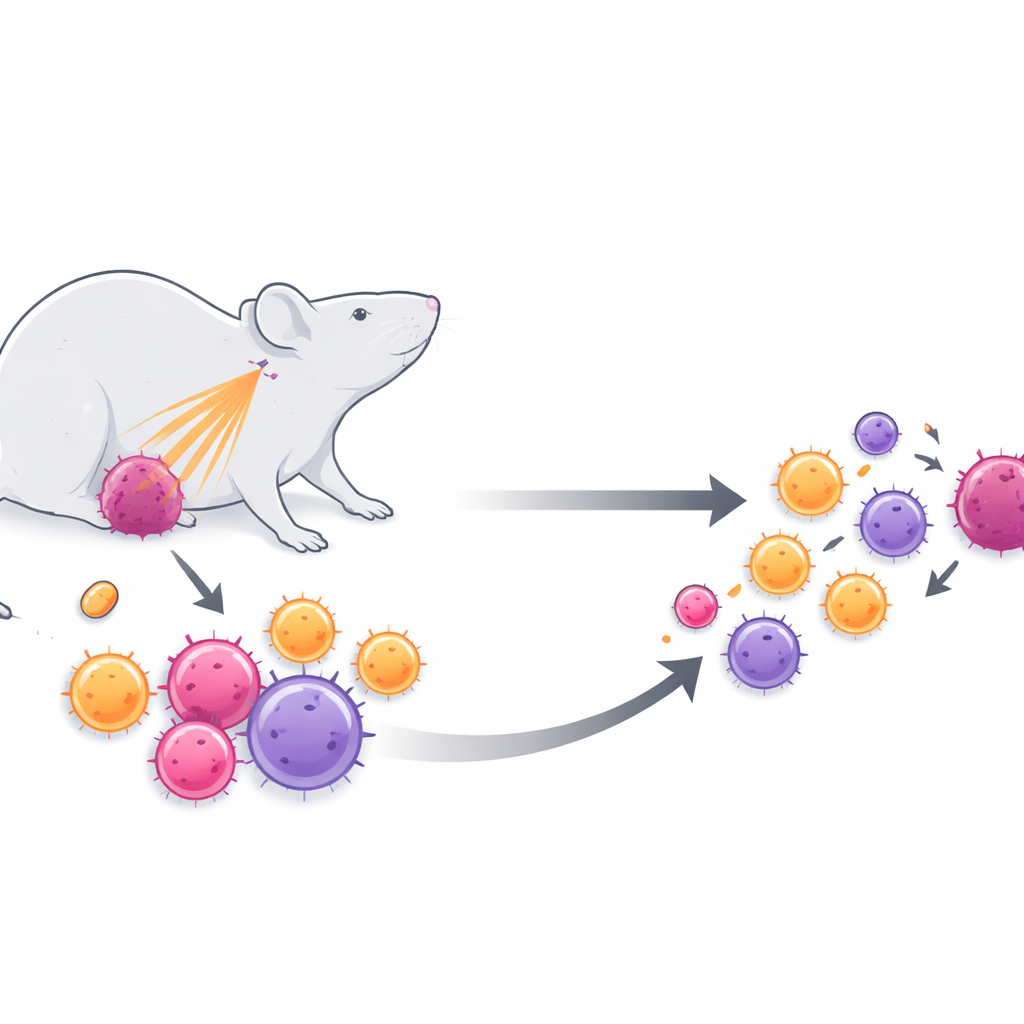
Radiation therapy is one of the main tools doctors use to shrink solid tumors, especially when surgery is not possible. High-dose, precisely targeted radiation can not only damage cancer cells at the treatment site, but sometimes also trigger the immune system to hunt down tumors elsewhere in the body. Unfortunately, this whole-body "echo" of local treatment, called an abscopal effect, is rare. This study explores whether a small, drug-like fat molecule called PLAG can safely help radiation wake up the immune system so it attacks both the main tumor and distant cancer growths more effectively.
A helper molecule from an unexpected source
PLAG is a synthetic version of a compound originally found in deer antlers and is already being tested for protecting tissues from radiation damage. Earlier work suggested it can fine-tune how certain white blood cells move and behave during inflammation and cancer. The researchers reasoned that if PLAG can steer immune activity, it might also strengthen the beneficial immune surge that high-dose radiation sometimes creates inside tumors. To test this idea, they used mouse models of cancer and combined PLAG with a focused course of high-dose radiotherapy that resembles modern stereotactic body radiation used in the clinic.
Radiation plus PLAG slows tumors through the immune system
In mice with intact immune systems, adding daily oral PLAG to high-dose radiation significantly slowed the growth of two different transplanted tumors compared with radiation alone, without causing weight loss or obvious toxicity. However, in immune-deficient mice that lack key T cells, PLAG no longer added any benefit to radiation. This clear contrast showed that PLAG is not acting as a direct poison to tumor cells; instead, its value lies in how it shapes the body’s immune response to the radiation-damaged cancer.
Turning killer cells from present to powerful
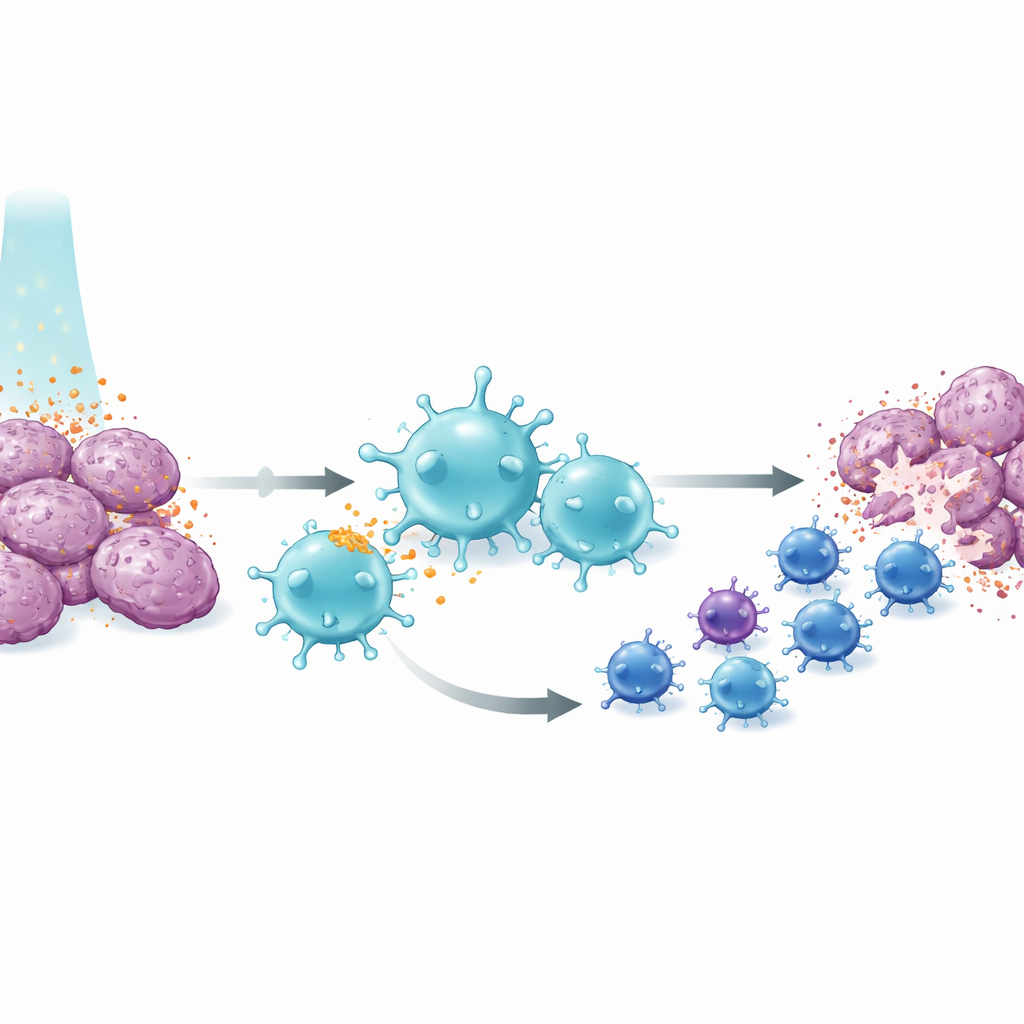
The team then looked inside irradiated tumors and in the spleen, a major immune organ, to see what was changing. The overall number of CD8 “killer” T cells entering tumors did not rise with PLAG, but their behavior did. With the drug–radiation combination, a larger fraction of these T cells carried molecular signs of activation and attack, including enzymes used to destroy target cells and features of long-lived “effector memory” cells that are better at rapid re-engagement. When spleen cells from treated mice were challenged in the lab with tumor material, those from the PLAG-plus-radiation group released much more of the immune messenger interferon-gamma, and this heightened response not only appeared by day 10 after treatment but grew even stronger by day 15. In other words, PLAG helped convert existing T cells into more potent, persistent cancer hunters.
Immune brakes unchanged, distant tumors held in check
Because tumors often shield themselves by recruiting suppressive immune cells, the researchers checked whether PLAG worked by removing these brakes. Under the tested conditions, the numbers of several key suppressor populations—myeloid-derived suppressor cells, regulatory T cells, and so-called M2 macrophages—did not drop with the combination therapy, and genes linked to immune suppression inside tumors were not clearly improved. Yet, in a two-tumor model where only one tumor received radiation, mice given both PLAG and radiation showed strong control not just of the treated tumor but also of the second, untouched tumor. This distant control, which radiation alone could not achieve, signaled a robust abscopal-like effect driven by the boosted T-cell response.
What this could mean for future treatments
Overall, the study shows that PLAG can safely enhance the cancer-fighting power of high-dose radiotherapy in mice, not by blasting more cells directly, but by making the body’s own killer T cells more effective and longer-lasting. Even though PLAG did not clearly reduce the tumor’s built-in immune shields at the time points studied, it still enabled the immune system to control tumors that were never hit by radiation. While more work is needed to understand its long-term safety and the best dosing schedules, these findings suggest that PLAG could one day become a practical add-on to modern high-dose radiation treatments, helping turn a local therapy into a body-wide anticancer response.
Citation: Kim, H., Cho, H., Sun, S. et al. 1-Palmitoyl-2-linoleoyl-3-acetyl-rac-glycerol (PLAG) enhances the therapeutic and immunological efficacy of high-dose radiotherapy in preclinical tumor models. Sci Rep 16, 10284 (2026). https://doi.org/10.1038/s41598-026-36523-0
Keywords: radiotherapy, cancer immunotherapy, T cells, abscopal effect, PLAG