Clear Sky Science · en
Empagliflozin and intermittent fasting as a strategy to mitigate anthracycline-induced cardiotoxicity
Why protecting the heart during cancer treatment matters
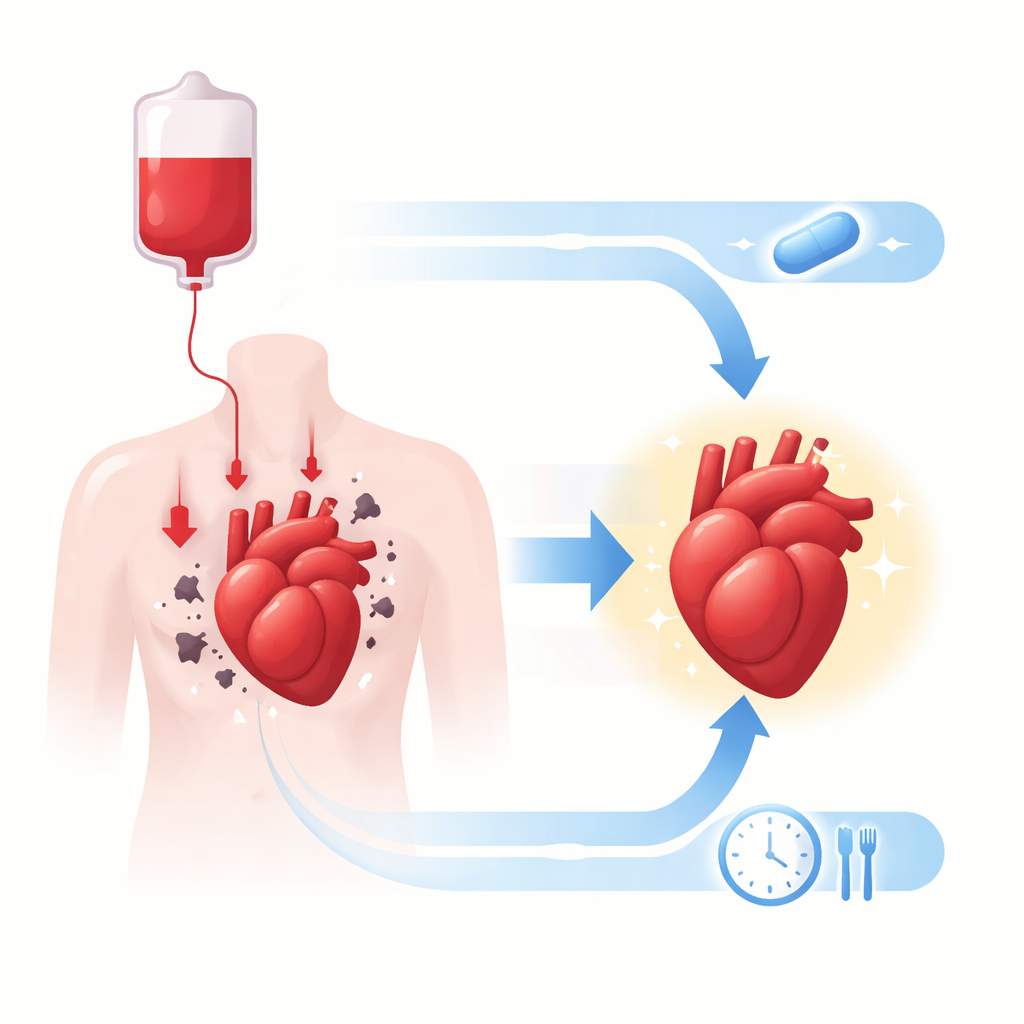
Chemotherapy drugs called anthracyclines, such as doxorubicin, are powerful tools against cancers like breast cancer and leukemia—but they can quietly injure the heart. As more people survive cancer, long‑term heart damage has become a major concern. This study asks a practical question with broad appeal: can a common diabetes medicine and a popular style of intermittent fasting help shield the heart from chemotherapy’s side effects, without interfering with cancer care?
Two everyday tools with heart-friendly promise
The researchers focused on empagliflozin, a pill originally designed for type 2 diabetes, and time‑restricted feeding, a form of intermittent fasting where eating is limited to an 8‑hour window each day. Both approaches are known to improve how the body uses energy and to lower inflammation—two processes deeply involved in heart health. Because anthracycline chemotherapy can sap the heart’s energy and ignite inflammation, the team wondered whether these two tools, used alone or together, might soften the blow of doxorubicin on the heart.
Testing the idea in animals and in a real patient
To explore this, the scientists first used female rats. Some received doxorubicin alone, while others received doxorubicin plus empagliflozin, time‑restricted feeding, or both. Over four weeks they measured blood pressure, heart electrical activity, blood counts, and examined heart tissue under the microscope. They also analyzed genes linked to inflammation to see how the heart’s immune response was changing. In parallel, they followed a woman with breast cancer who was starting doxorubicin. She took empagliflozin every day and adopted a 16‑hour fasting, 8‑hour eating schedule for three months, while doctors closely tracked her heart function, blood pressure, weight, and blood markers.
What happened to the hearts and blood
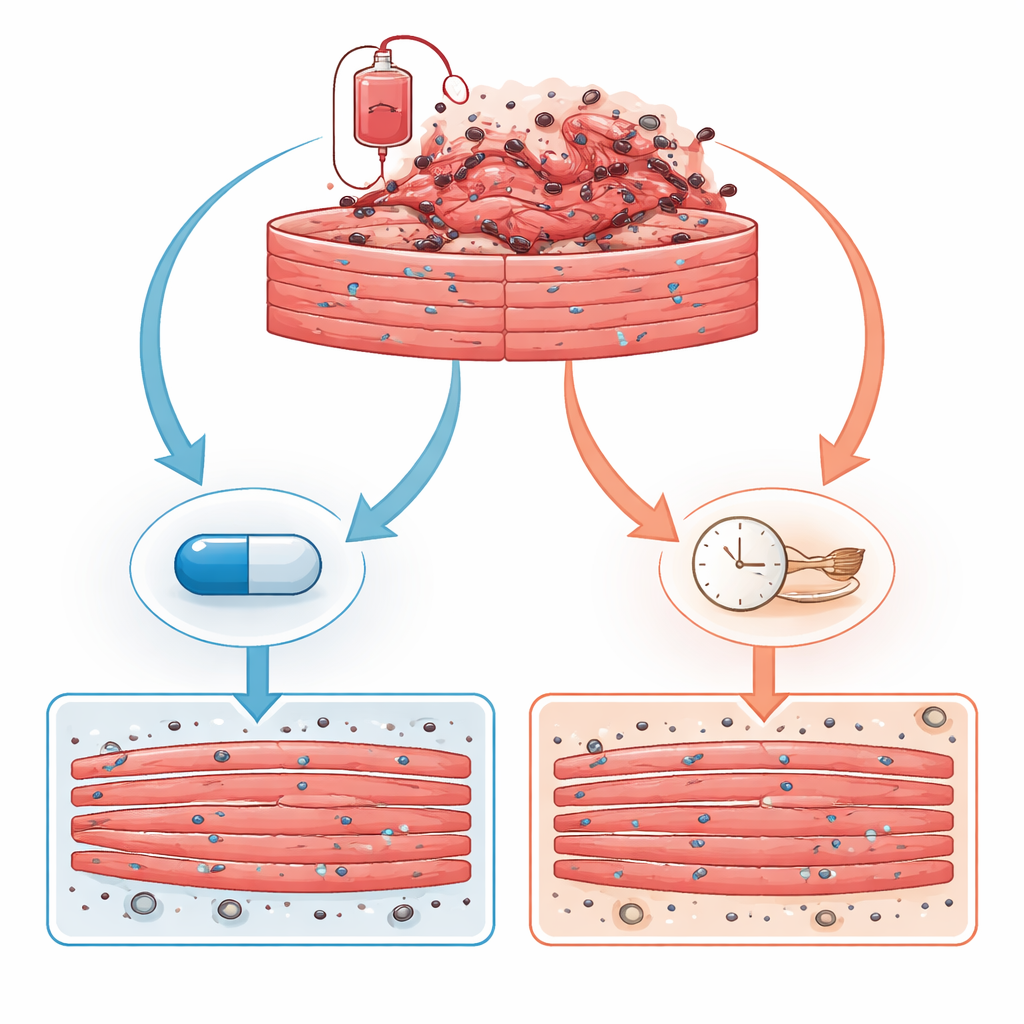
In rats given doxorubicin alone, blood pressure rose sharply, the heartbeat pattern became less stable, and heart tissue showed clear signs of damage: fewer healthy muscle cells, more scar‑like material between them, and heavier inflammatory cell invasion. Doxorubicin also suppressed the bone marrow, lowering white and red blood cells. When empagliflozin or time‑restricted feeding were added, many of these changes eased. Either approach on its own brought blood pressure closer to normal and shortened a dangerous electrical interval linked to rhythm problems. Heart tissue looked healthier, with more muscle cells and less scarring and inflammation. All co‑treatments prevented the marked drop in white blood cells, suggesting better protection of the body’s defenses. However, combining empagliflozin with time‑restricted feeding did not consistently outperform using either one alone for basic heart measures.
How the heart’s inflammatory switches were shifted
Diving deeper, the team examined chemical signals that drive or calm inflammation inside the heart. Doxorubicin pushed the heart toward a pro‑inflammatory state, greatly increasing molecules that promote damage. Both empagliflozin and time‑restricted feeding lowered one of these key signals, but time‑restricted feeding was especially effective at reducing another, often linked to a cellular alarm system. Interestingly, only the combination of empagliflozin and time‑restricted feeding clearly boosted two “braking” signals that encourage tissue repair and a calmer immune response. This suggests that while the two strategies do not simply stack their benefits, together they may steer the heart’s healing environment in a unique, more balanced direction.
What the single patient’s experience can and cannot tell us
The woman with breast cancer tolerated empagliflozin and time‑restricted feeding well and stuck to the plan most days. Over 90 days of chemotherapy, her blood pressure stayed stable, her heart’s pumping ability and strain measurements did not worsen, and a hormone tied to heart failure stayed within the normal range. She lost some weight, but her waist size rose slightly, hinting at complex body changes under treatment. A blood marker of heart cell injury—troponin—did climb, signaling that some silent damage still occurred even though function remained preserved. This single case cannot prove safety or benefit, but it shows that such a combined strategy is feasible and warrants more rigorous testing.
What this means for patients and the road ahead
To a layperson, the message is cautiously hopeful: in animals, both empagliflozin and a daily fasting window helped blunt some of doxorubicin’s harmful effects on the heart and blood, mainly by easing strain on heart muscle cells and dialing down harmful inflammation. Using both together reshaped the body’s repair signals but did not clearly add extra protection for routine heart measures. In the single patient, the approach appeared doable without obvious short‑term heart failure, though subtle injury still occurred. These findings do not yet justify self‑prescribing empagliflozin or strict fasting during chemotherapy. Instead, they lay the groundwork for larger, carefully monitored clinical studies to determine when, how, and for whom such metabolic strategies might safely help protect the heart during life‑saving cancer treatment.
Citation: Reis Filho, J.M., de Sousa Marques, I.L., Kangussu, L.M. et al. Empagliflozin and intermittent fasting as a strategy to mitigate anthracycline-induced cardiotoxicity. Sci Rep 16, 11795 (2026). https://doi.org/10.1038/s41598-026-35790-1
Keywords: cardio-oncology, doxorubicin heart damage, empagliflozin, intermittent fasting, chemotherapy side effects