Clear Sky Science · en
Inositol hexakisphosphate kinase 1 is implicated in the insulin response to protein ingestion in older adults
Why this research matters for aging muscles
Many people notice that as they age, it becomes harder to maintain muscle size and strength, even when they eat protein and stay active. This study explores a little-known molecule inside the body, inositol hexakisphosphate kinase 1 (IP6K1), and asks whether it helps explain why older, insulin-resistant adults do not build or use protein from food and exercise as efficiently as younger adults. Understanding this could point the way toward better nutrition and exercise strategies to protect muscle health with age.
Looking inside the body’s protein traffic
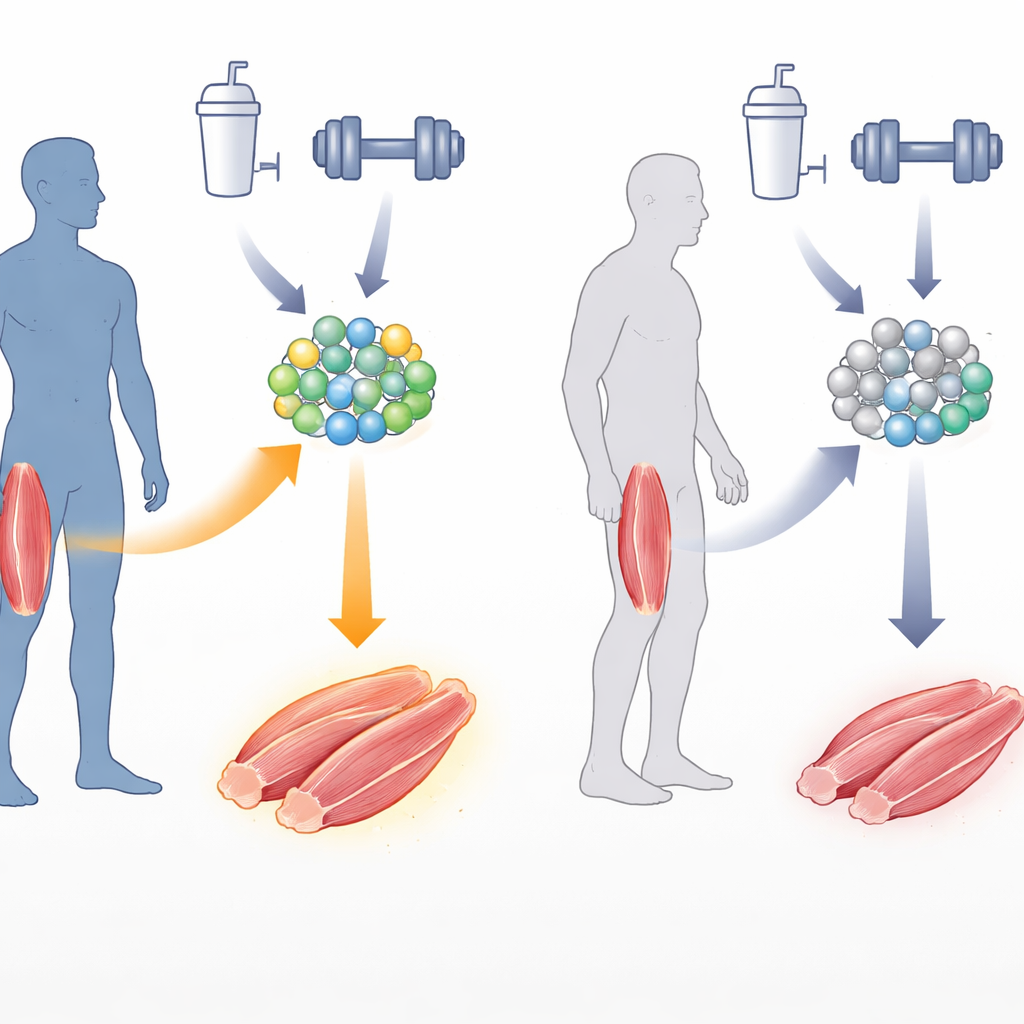
To explore this question, researchers studied nine young men in their mid‑20s and nine older men in their mid‑60s. All were moderately active, but the older group showed signs of reduced insulin sensitivity, a common feature of aging that is linked to type 2 diabetes and loss of muscle. In two separate visits, each volunteer drank a whey protein shake, either on its own or immediately after a bout of leg resistance exercise on a knee‑extension machine. The scientists drew blood and took small muscle samples from the thigh over four hours to track how protein building blocks moved through the body and how key signalling molecules, including IP6K1, responded to the protein and exercise.
Following amino acids on their journey
To measure how the body handled dietary protein, the team added a harmless “tagged” form of the amino acid phenylalanine to the protein drink and infused it into the bloodstream. By tracking this tracer, they could estimate how quickly phenylalanine appeared and disappeared from the blood, which reflects how fast the body is using amino acids to build or break down proteins. Young adults generally cleared phenylalanine from their blood more effectively than older adults, especially after exercise, suggesting that their muscles were better at taking up and using amino acids from the protein drink.
A surprising pattern in a signalling enzyme
IP6K1 has previously been linked to poor insulin action in people with obesity and prediabetes. Based on that, the researchers expected older, insulin‑resistant adults to have higher levels of this enzyme. Instead, they found the opposite pattern: young men had higher concentrations of IP6K1 in their blood at all time points. In muscle, IP6K1 levels in young men fell several hours after protein ingestion, whereas older men showed lower muscle IP6K1 after exercise compared with the young, but little change over time. These findings suggest that, in otherwise healthy young adults, IP6K1 normally fluctuates in a way that may support efficient handling of amino acids, while this flexibility appears blunted in older, insulin‑resistant muscle.
How muscle signals differ with age
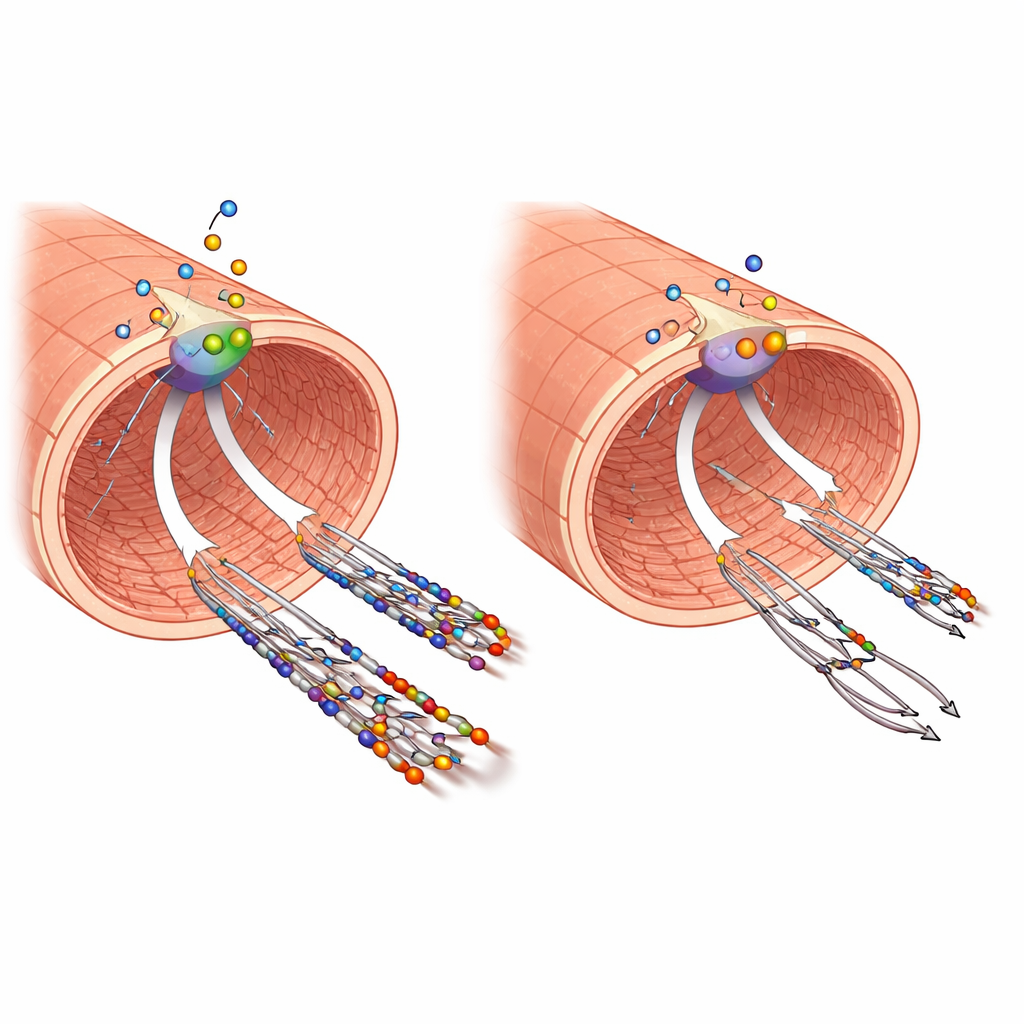
The team also examined other molecular switches involved in turning amino acids into new muscle proteins. In young adults, resistance exercise and protein intake increased the activation of Akt and 4E‑BP1, key players in the pathway that promotes protein building inside muscle cells. Young men also showed a rise in LAT1, a transporter that helps amino acids enter muscle. Older adults, by contrast, had higher baseline levels of a growth factor receptor but showed weaker changes in these downstream signals and a lower rate of amino acid disappearance from the blood, pointing to a form of “anabolic resistance” where muscles are less responsive to normal protein doses and exercise.
What this means for healthy aging
Overall, the study suggests that IP6K1 is involved in how young, insulin‑sensitive bodies respond to protein and resistance exercise, helping them to dispose of amino acids efficiently and support muscle protein metabolism. In older adults with reduced insulin sensitivity, both IP6K1 behaviour and amino acid handling were altered, and their muscles appeared less responsive to the same protein dose and exercise bout. While the exact role of IP6K1 in aging muscle remains uncertain, these findings reinforce the idea that maintaining insulin health and adjusting protein and exercise strategies may be crucial for preserving muscle as we grow older.
Citation: Barclay, R.D., Motei, D.E., Ancu, O. et al. Inositol hexakisphosphate kinase 1 is implicated in the insulin response to protein ingestion in older adults. Sci Rep 16, 9490 (2026). https://doi.org/10.1038/s41598-026-35711-2
Keywords: aging muscle, insulin resistance, protein metabolism, resistance exercise, IP6K1