Clear Sky Science · en
A telomere-to-telomere reference genome assembly of the Hypomesus nipponensis
Why this tiny fish matters
The Japanese smelt is a small silver fish that thrives in cold lakes and rivers across Northeast Asia, where it grows fast, reproduces quickly, and supports local fisheries. Behind these traits lies a genetic instruction book written in DNA. Until now, scientists only had incomplete versions of that book, full of missing pages and blurred lines. This study delivers the first fully continuous, gap free genome map for this species, offering a powerful tool to explore how it copes with cold water, adapts to new habitats, and can be managed for sustainable aquaculture.
From reservoir fish to full genetic blueprint
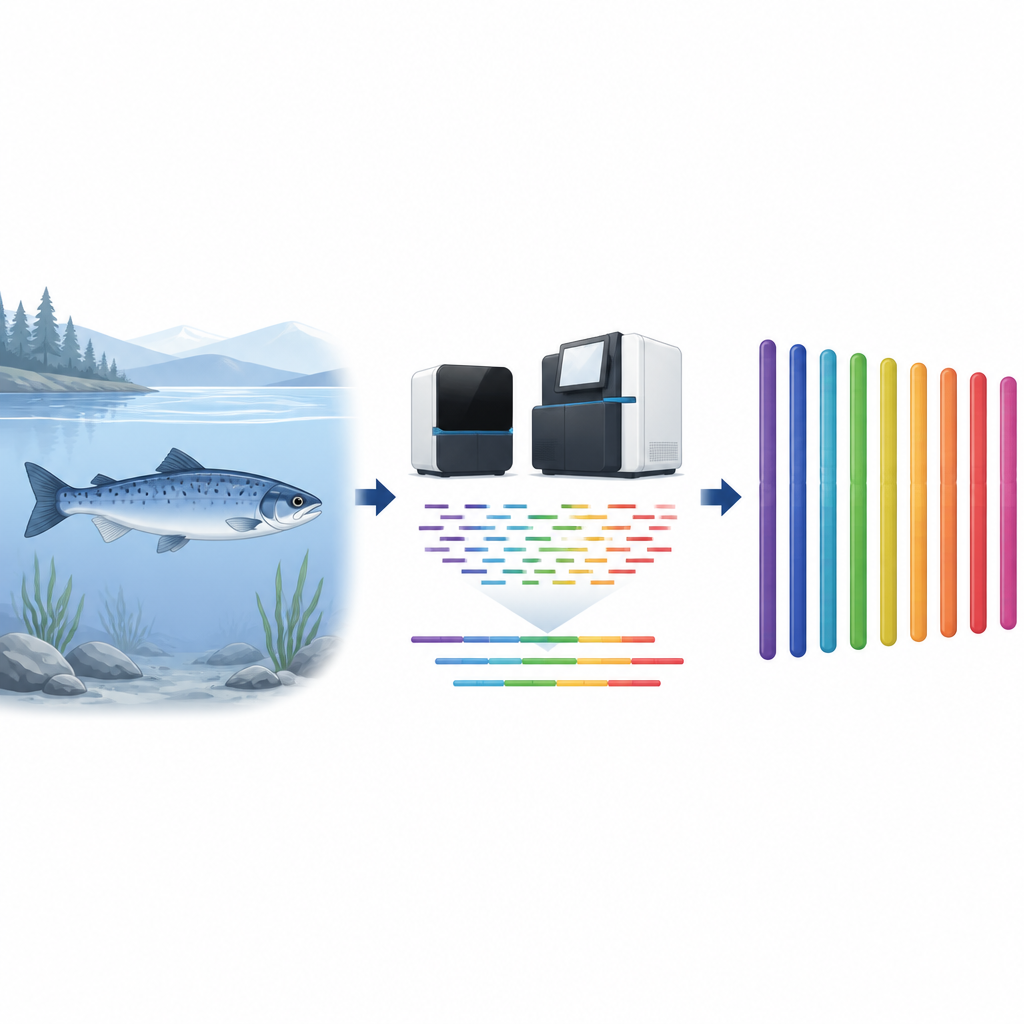
Researchers began by collecting a healthy Japanese smelt from a large reservoir in northeastern China. They carefully extracted high quality DNA from the fish’s muscle and then used several modern sequencing machines, each with its own strengths. Some produced many short, accurate DNA fragments, while others read very long stretches that can bridge difficult regions. The team also captured how pieces of DNA are physically packed together inside the cell, which helped them arrange the fragments in the right order to form complete chromosomes.
Building a seamless map of all chromosomes
Using advanced computer methods, the scientists stitched together the raw DNA reads into long continuous pieces and then polished them to correct remaining errors. They used the 3D packing information to place and orient these pieces along 28 chromosome like structures, matching what is known about related smelt species. Earlier versions of the genome for this fish contained nearly two hundred gaps and much shorter fragments. In contrast, the new assembly spans about 526 million DNA letters with no missing stretches, and most of the genetic material sits in very long, uninterrupted segments that cover entire chromosomes from end to end.
Seeing the hidden ends and centers
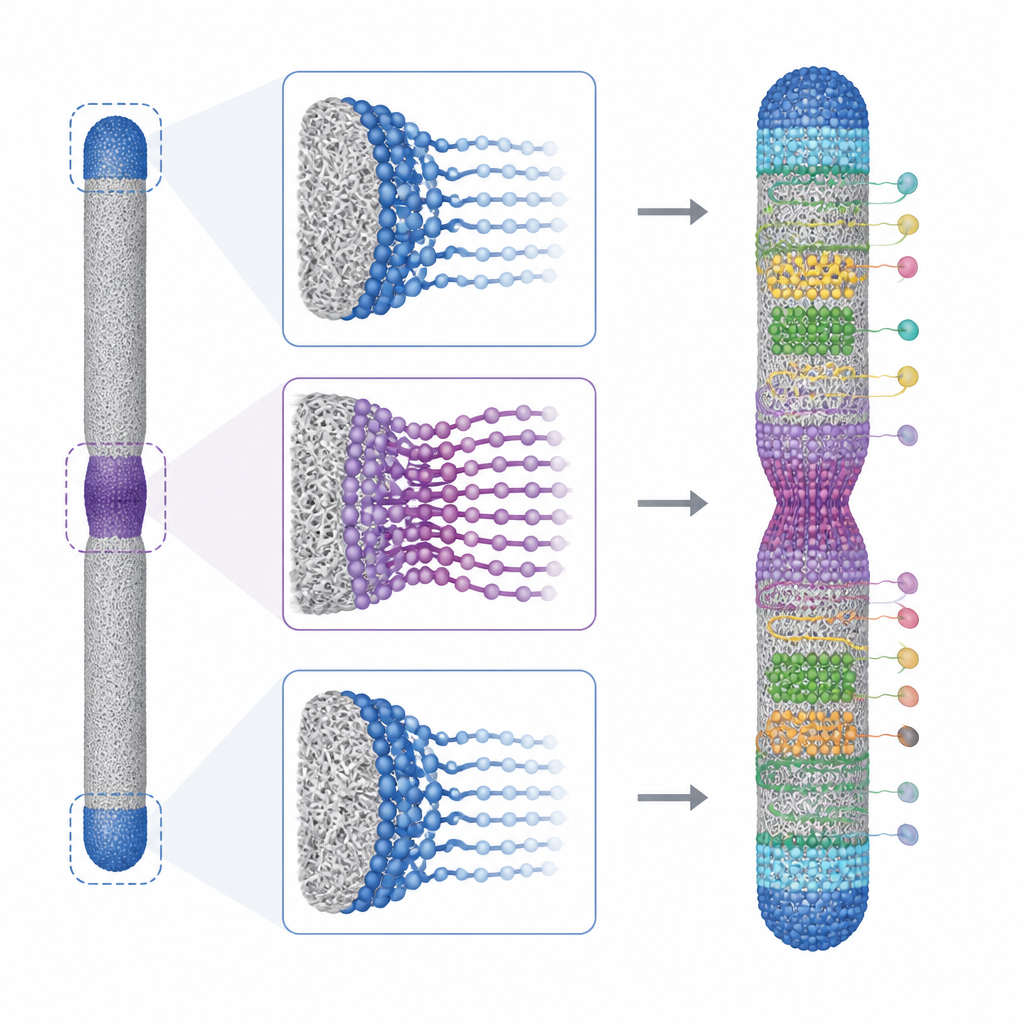
One of the hardest tasks in genome work is resolving repetitive DNA, especially at chromosome tips and centers. These regions consist of many nearly identical sequences and often remain blank in draft genomes. Here, by combining long reads with a specialized toolkit, the team identified both chromosome ends (telomeres) and the central anchor points (centromeres) on all 28 chromosomes. They mapped 56 telomeres and 28 centromeres and measured how their lengths vary. This fine scale view will be valuable for future experiments that track where chromosomes sit and how they behave during cell division in this species.
Cataloguing genes and repeats
With the continuous genome in hand, the researchers next asked what it contains. By blending evidence from the fish’s own RNA transcripts with comparisons to related species, they predicted more than 31,000 protein coding genes and found that nearly all of them matched known entries in major biology databases. They also charted the many repetitive elements that make up almost forty percent of the genome, especially mobile DNA pieces that can move around and reshape chromosomes. Compared with the earlier assembly, the new map captures more of these repeats and additional unique regions that were previously missing, without increasing the overall error rate.
A new reference for cold water adaptation
To test quality, the team checked how well different sequencing datasets and gene sets aligned back to the new genome and compared it to the best previous version. The new map showed higher completeness, smoother coverage across every chromosome, and better support for gene predictions. For non specialists, this means that scientists now have a clean, nearly page by page copy of the Japanese smelt’s genetic instruction book. This reference will underpin studies of how the fish reproduces, copes with changing temperatures, spreads into new lakes, and can be bred and managed more effectively in a warming world.
Citation: Zhou, Y., Fang, D., You, Y. et al. A telomere-to-telomere reference genome assembly of the Hypomesus nipponensis. Sci Data 13, 755 (2026). https://doi.org/10.1038/s41597-026-07078-6
Keywords: Japanese smelt genome, telomere to telomere assembly, cold water fish genetics, chromosome mapping, aquaculture genomics