Clear Sky Science · en
The chromosome-level genome assembly of the early monocot species Tofieldia thibetica
Why this mountain plant matters
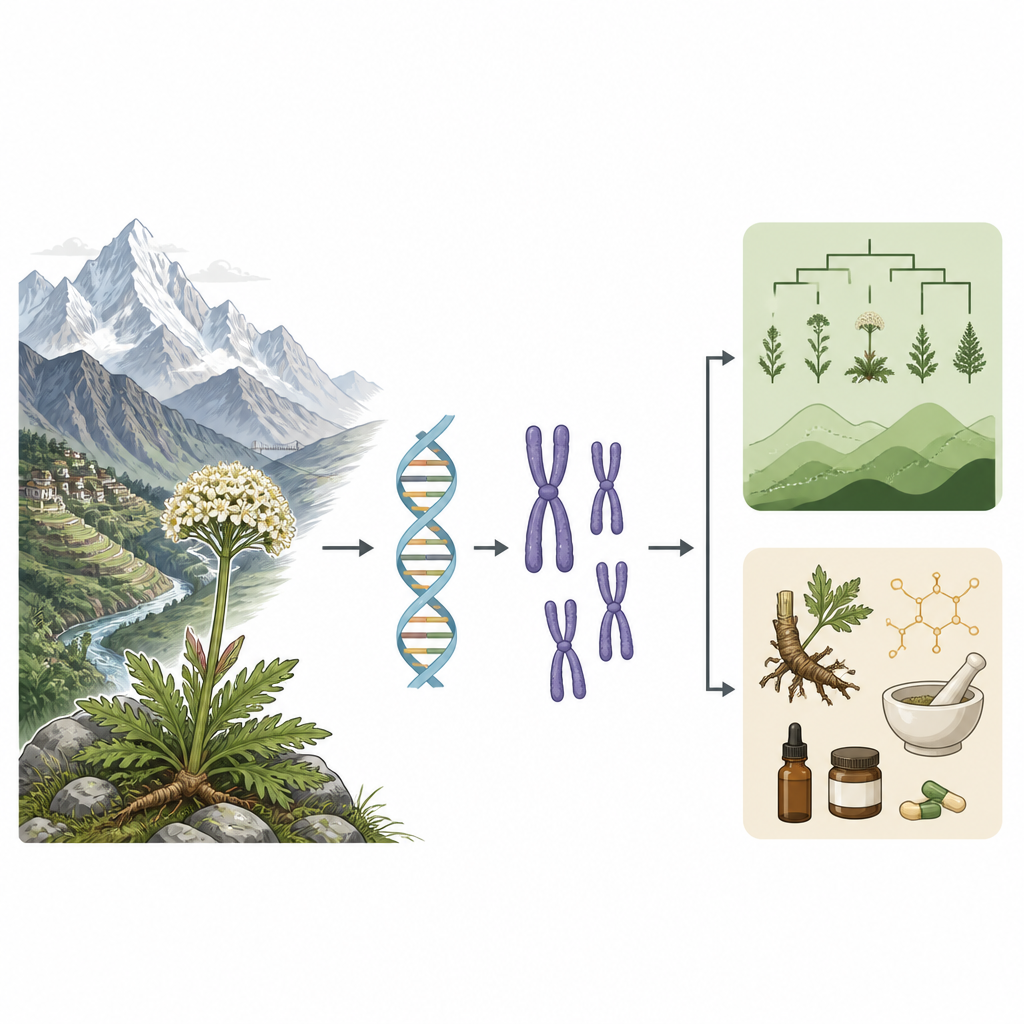
High in the mountains of Southwest China grows a modest herb called Tofieldia thibetica, long used in folk remedies for stomach trouble, pain, and skin problems. Behind its simple appearance lies a valuable scientific prize: this plant sits near the root of the family tree of monocots, a huge group that includes grasses, lilies, and many crops. By decoding its full set of DNA, researchers have created a detailed reference that can help trace how these plants evolved and may also guide future studies of useful chemicals in the species and its relatives.
A shy plant with a special place in the tree of life
Tofieldia thibetica grows on scrubby slopes and rocky crevices between 700 and 2,300 meters, often overlooked among more showy flowers. Yet botanists now recognize it as part of one of the earliest branches within monocots, close to the split that gave rise to many familiar flowering plants. Its unusual fruits and seeds already hinted at its distinct role in plant evolution. However, scientists struggled to pin down its exact relationships with nearby groups, in part because almost no DNA information was available for its family, Tofieldiaceae. This study set out to change that by building a high quality map of the plant’s entire genome.
Collecting and reading the plant’s genetic script
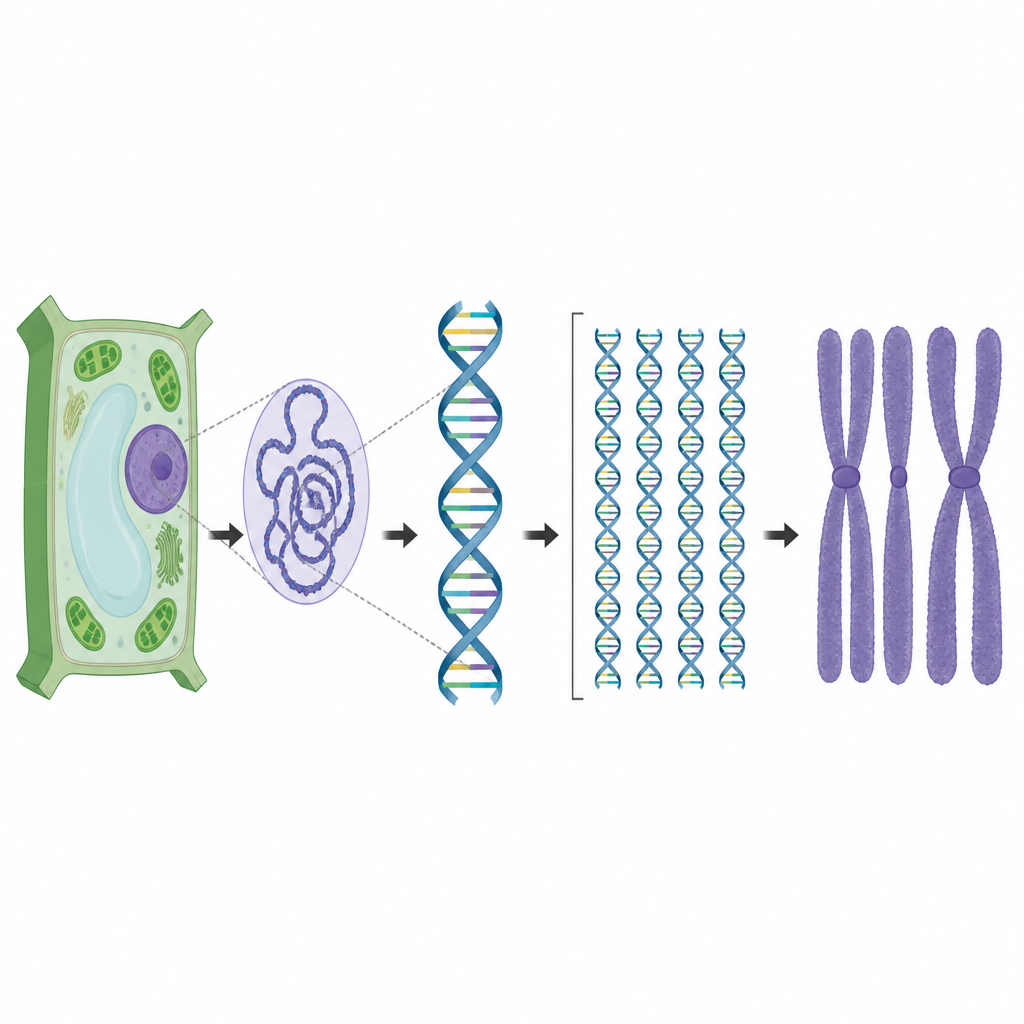
The team collected roots, stems, leaves, and flowering spikes from a single wild plant in Yunnan Province and quickly froze the tissues to preserve their DNA and RNA. They then used advanced sequencing machines that can read very long stretches of DNA and a companion method that records which pieces of DNA sit close together inside chromosomes. These twin approaches allowed the researchers to estimate the total genome size, confirm that the plant has two copies of each chromosome, and assemble most of its DNA into 15 long chromosome like pieces. Careful quality checks showed that the final assembly was both highly complete and accurate, capturing nearly all expected core plant genes.
What the genome looks like inside
Once the main DNA framework was in place, the researchers combed through it to identify repeated segments, working genes, and different types of noncoding RNA. They found that almost four fifths of the genome consists of repeated elements, especially a class of mobile DNA that can copy and paste itself, which helps explain the genome’s large size. Within this repetitive backdrop they predicted more than fifty three thousand genes that code for proteins and confirmed that the vast majority of these genes match known functions in existing databases. They also cataloged hundreds of genes involved in RNA processing and other roles, painting a rich picture of the inner workings of this little known plant.
A new anchor point for plant evolution studies
Because Tofieldia thibetica branches off so early in the monocot lineage, its newly assembled genome serves as a crucial anchor for comparing other species in this group. Scientists can now use it to refine evolutionary trees, track how key traits such as flowers, seeds, and life in wet habitats arose, and search for genes linked to the plant’s traditional medicinal uses. The careful validation and public release of the DNA sequences and annotations mean that researchers worldwide can build on this work, using Tofieldia thibetica as a reference point to better understand the history and diversity of monocot plants.
Citation: Chen, H., Wang, XY., Wang, JL. et al. The chromosome-level genome assembly of the early monocot species Tofieldia thibetica. Sci Data 13, 728 (2026). https://doi.org/10.1038/s41597-026-07062-0
Keywords: plant genome, monocot evolution, Tofieldia thibetica, chromosome assembly, repetitive DNA