Clear Sky Science · en
OzBarley: A genetic and phenotypic data resource capturing the Australian barley breeding history
Why barley data matters for our future
Barley may be best known as a key ingredient in beer and animal feed, but it is also a workhorse crop for food security in dry, harsh climates. As weather becomes more extreme, breeders urgently need barley varieties that can cope with heat, drought, and disease while still producing good yields and quality. This article introduces OzBarley, a new open data resource that brings together detailed information on how hundreds of barley types grow and what their DNA looks like, giving scientists and breeders a powerful tool to speed the creation of tougher, more reliable crops.
Tracing a long farming story
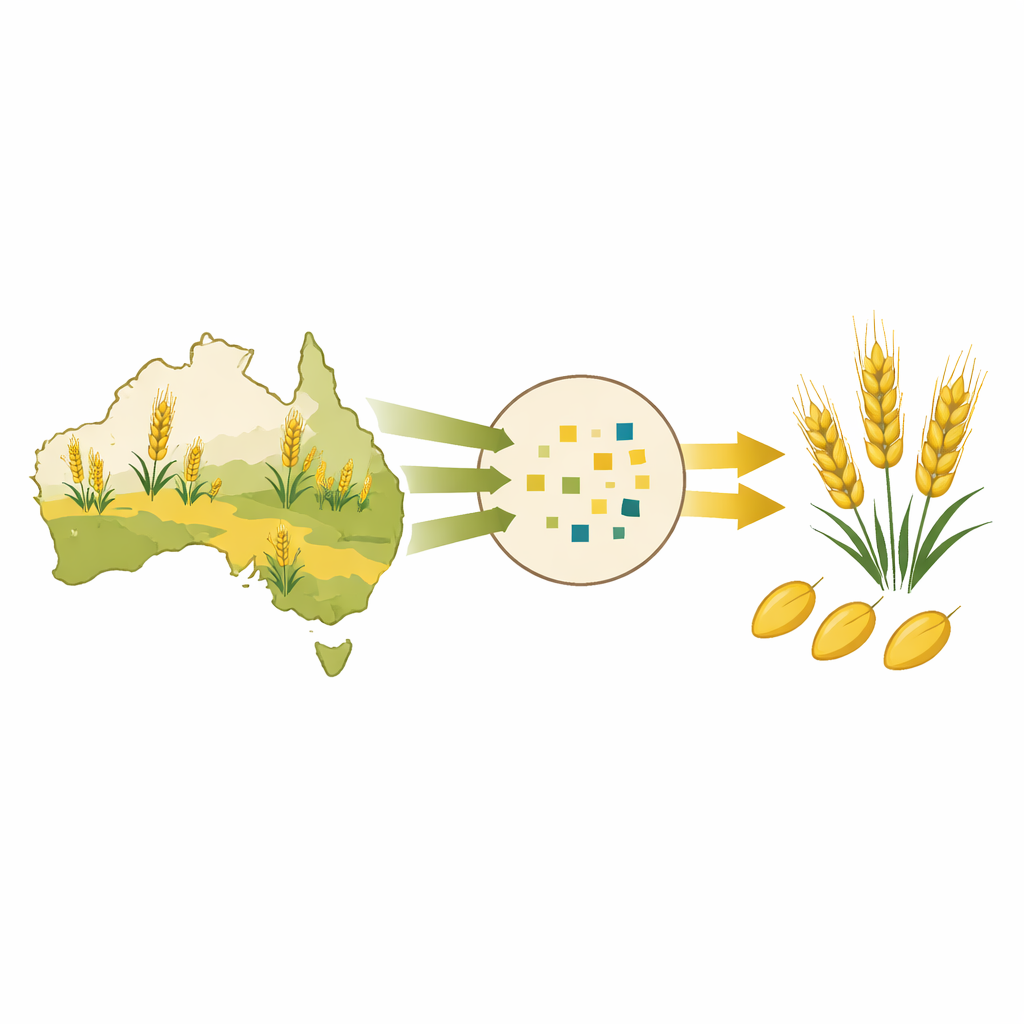
Barley was one of the first crops domesticated by humans over 10,000 years ago, and it has been shaped by countless generations of farmers selecting plants that thrived in their local conditions. In Australia, modern breeding has focused on getting barley to perform in tough dryland environments where soils, climate, and pests vary widely. That success has come with a trade-off: over time, the genetic base of Australian barley has narrowed, raising concerns about lost diversity. OzBarley tackles this by assembling a living record of Australia’s barley breeding history, spanning old and new commercial varieties, important international parent lines, and traditional “landraces” that capture older, diverse forms of the crop.
Linking DNA to how plants look and grow
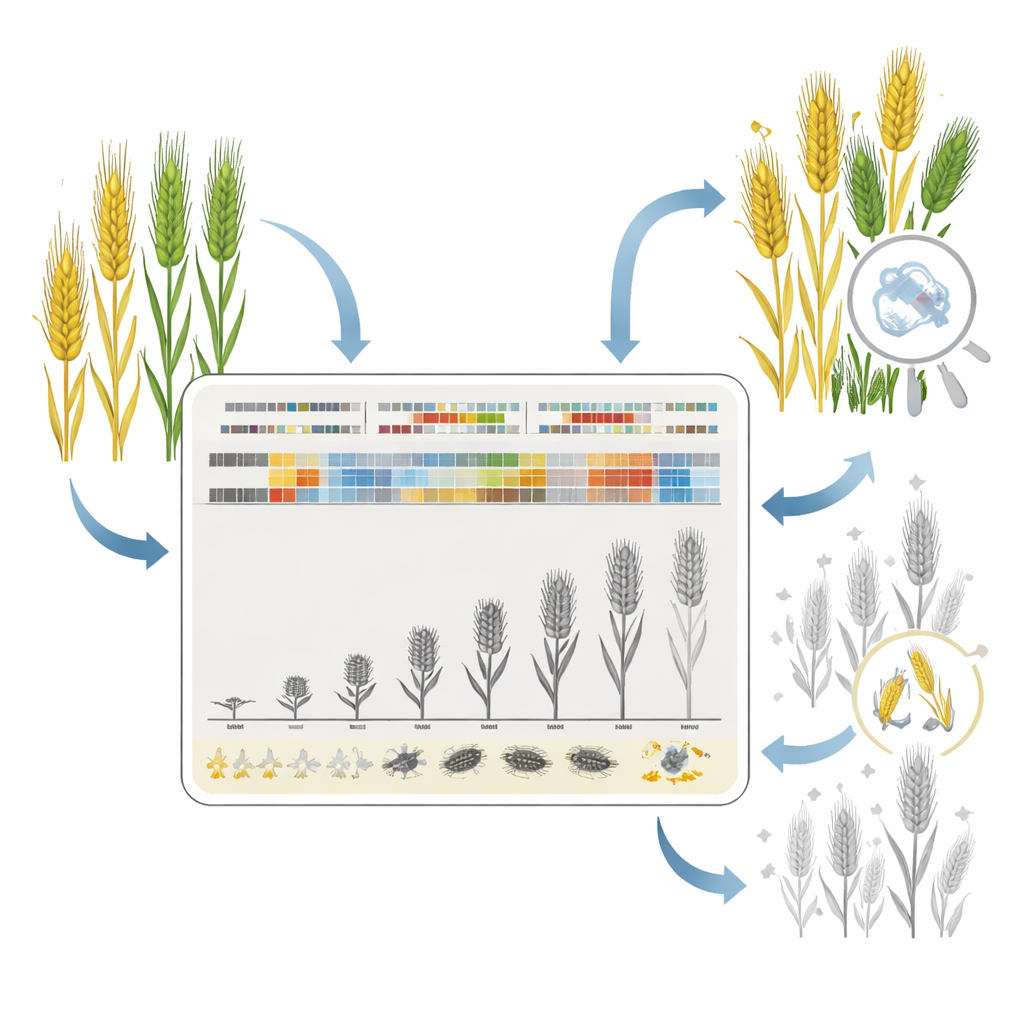
What makes OzBarley different is that it connects two kinds of information that are often kept separate. On one side are detailed genetic and gene activity measurements from each barley line, produced using modern DNA and RNA sequencing technologies and high-density marker chips. On the other side are rich measurements of how the plants actually grow and what their seeds look like, collected using automated imaging systems, controlled-environment greenhouses, and X-ray scans of the grain heads. By tying these layers together, researchers can see which DNA differences go hand-in-hand with traits such as plant size, water use, seed number, or grain shape.
Watching plants grow, leaf by leaf
To capture growth in fine detail, the team grew more than 200 elite barley lines in a highly controlled glasshouse fitted with conveyor belts and cameras. Each plant was weighed and imaged repeatedly from early growth to maturity. Computer analysis turned these images into measurements of leaf area, plant height, growth rate, and daily water use, and tracked how these changed over time. The researchers also counted side shoots (tillers) and measured key stem parts by hand, giving a full picture of each plant’s structure. Careful statistical methods were used to separate true genetic differences from random noise and subtle environmental effects inside the glasshouse.
Looking inside barley heads with X-rays
Beyond whole-plant growth, OzBarley zeroes in on the grain itself. Using X-ray computed tomography, the team scanned barley heads from each line and used specialised software to split out and measure every single seed in three dimensions. This allowed them to estimate seed size, volume, surface area, shape, and total grain number and weight per head without destroying the samples. When combined with the growth data, these grain measurements help explain how different plant types turn sunlight and water into harvestable yield, and which forms of barley might be best suited to particular climates or markets such as brewing, feed, or food.
Opening a toolbox for breeders and scientists
All of the OzBarley data are freely available under an open licence and are organised to be easy to find, combine, and reuse. Users can run large-scale analyses that search the genome for regions linked to useful traits, or build prediction models that suggest which lines are most promising as parents in future crosses. Because the resource includes both modern Australian varieties and diverse landraces, it can highlight older genetic variants that may help barley cope with heat, drought, or disease in tomorrow’s fields. In simple terms, OzBarley acts as a detailed map and time capsule of barley breeding in Australia, designed to help growers, breeders, and researchers develop more resilient, productive crops for a changing world.
Citation: Baumann, U., Kalashyan, E., Schwerdt, J. et al. OzBarley: A genetic and phenotypic data resource capturing the Australian barley breeding history. Sci Data 13, 703 (2026). https://doi.org/10.1038/s41597-026-07056-y
Keywords: barley breeding, crop genetics, plant phenotyping, dryland agriculture, open data resources