Clear Sky Science · en
High quality chromosome-level genome assembly of Psammosilene tunicoides (Caryophyllaceae), an endangered medicinal plant
Why this healing root matters
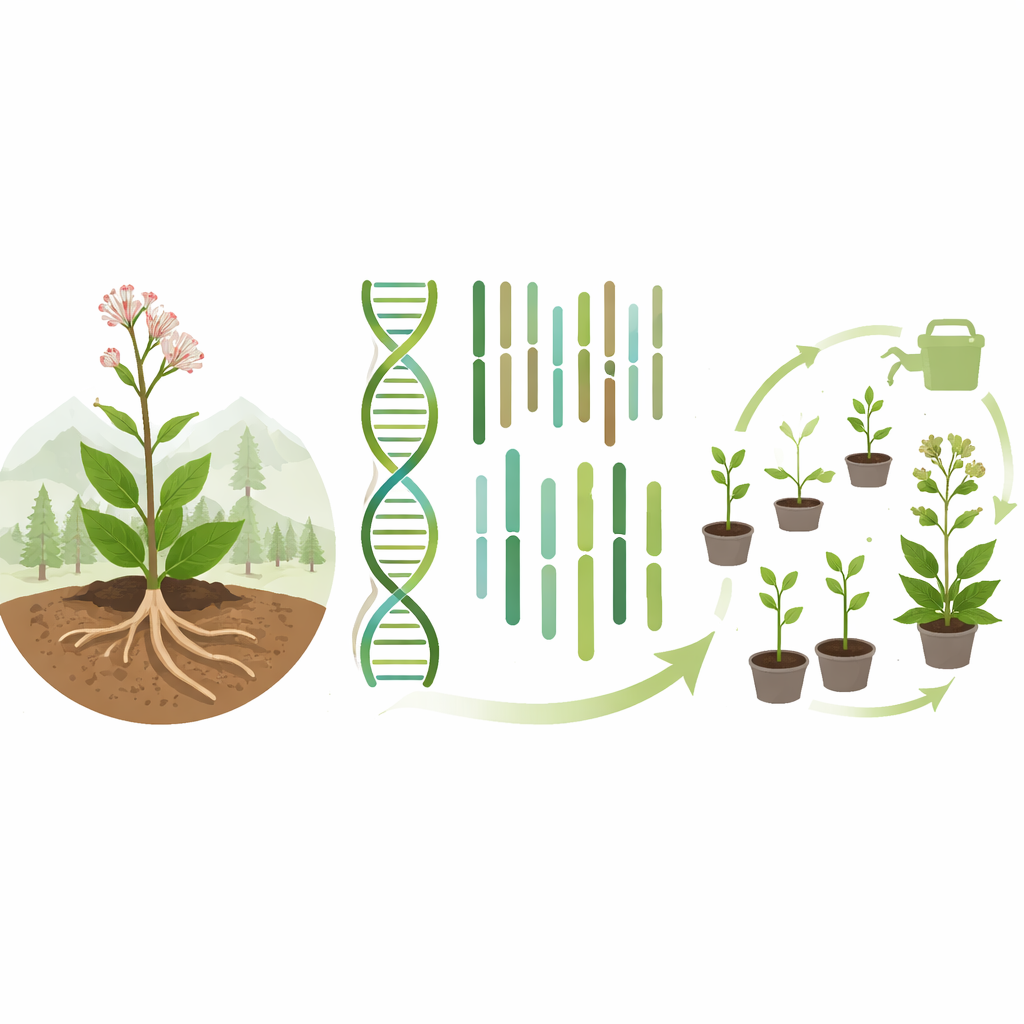
Hidden in the mountains of southwestern China grows a modest herb whose roots are prized in traditional medicine for easing pain and inflammation. This plant, Psammosilene tunicoides, is now in trouble: it suffers from diseases in cultivation and has been overharvested in the wild. The study described in this article delivers a powerful new tool to help safeguard this species—a complete, high‑quality map of all its genetic material, organized down to individual chromosomes. This genetic blueprint can guide efforts to protect, study, and responsibly use this endangered healing plant.
A rare mountain herb under pressure
Psammosilene tunicoides is found only in a few provinces of China, including Sichuan, Yunnan, Guizhou, and Tibet. Its dried roots have long been used in Chinese medicine and are officially listed in the Chinese Pharmacopoeia. Modern research supports its traditional uses, showing that extracts from the plant can reduce pain, calm inflammation, and act as antioxidants. It is also a key ingredient in some Chinese patent medicines used to treat bone and joint injuries. Yet the plant is difficult to grow: it is vulnerable to root rot, which limits farm yields, while demand remains strong. As a result, wild populations have been heavily collected, causing serious declines and earning the plant official protected status and a “Vulnerable” rank on China’s Red List of threatened species.
Turning leaves into a genetic blueprint
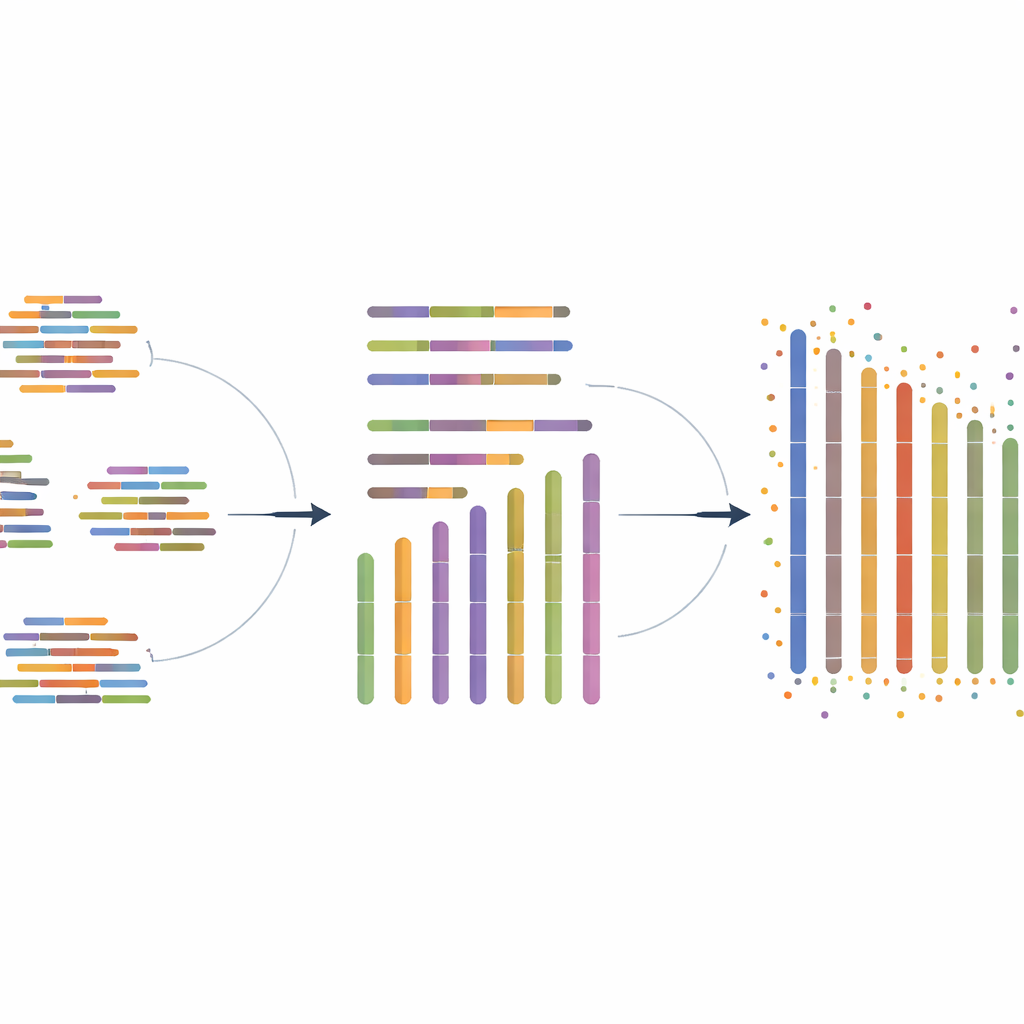
To build a detailed genetic map, the researchers collected young leaves from Psammosilene tunicoides plants growing in Yunnan Province. They froze the samples immediately and extracted very pure DNA. Instead of relying on a single technology, they combined several high‑end DNA sequencing methods. One produced vast numbers of short fragments that are useful for checking accuracy. Another, known for reading very long stretches of DNA in one go, helped span gaps and connect distant pieces. A third method, called Hi‑C, captured how different parts of the DNA are physically arranged and interact inside the cell nucleus. By weaving these data streams together, the team could not only read most of the genome but also assemble it into long, continuous stretches matching real chromosomes.
Building chromosomes and finding genes
The final assembly of the Psammosilene tunicoides genome is enormous—about 1.46 billion “letters” of DNA. Most of this sequence, more than 94%, was arranged onto 14 large chromosome‑like units, giving a clear picture of the plant’s genetic scaffolding. The researchers then searched this landscape for important features. They identified 30,924 genes that likely direct the plant’s growth, chemistry, and responses to stress, and were able to assign biological roles to over 95% of them by comparing them with known genes in other species and with major biological databases. They also catalogued non‑coding elements such as thousands of small regulatory RNAs, which can fine‑tune how genes switch on and off.
The hidden bulk of jumping DNA
One striking finding is that most of this plant’s genome is not made up of genes at all. Roughly 83% consists of repeated DNA segments, many of them “jumping” elements that can copy and move around the genome over evolutionary time. A particular class called LTR retrotransposons dominates, making up nearly 70% of the total DNA. By carefully identifying and grouping these repeats, the scientists created a detailed picture of the structural background against which genes sit and evolve. They also rigorously checked the overall quality of the assembly using several standard tests, showing that the genome map is highly complete and consistent.
From genome map to future medicine and conservation
For non‑specialists, the core message is simple: we now have a reliable, chromosome‑scale genetic blueprint of an important yet threatened medicinal herb. This map will help researchers understand how the plant makes its pain‑relieving and anti‑inflammatory compounds, why it is so susceptible to diseases like root rot, and how different populations vary genetically. In turn, such knowledge can support breeding healthier, more resilient plants, guide conservation of wild populations, and ensure more sustainable use in medicine. In effect, the study equips scientists and conservationists with a detailed instruction manual for preserving—and better harnessing—the healing power of Psammosilene tunicoides.
Citation: Xie, Z., Zhang, Y., Yang, C. et al. High quality chromosome-level genome assembly of Psammosilene tunicoides (Caryophyllaceae), an endangered medicinal plant. Sci Data 13, 619 (2026). https://doi.org/10.1038/s41597-026-06991-0
Keywords: medicinal plant genomics, endangered species conservation, chromosome-level genome, traditional Chinese medicine, plant genetic resources