Clear Sky Science · en
Chromosome-scale genome assembly and annotation of the water monitor lizard, Varanus salvator
A Giant Lizard with a Hidden Story
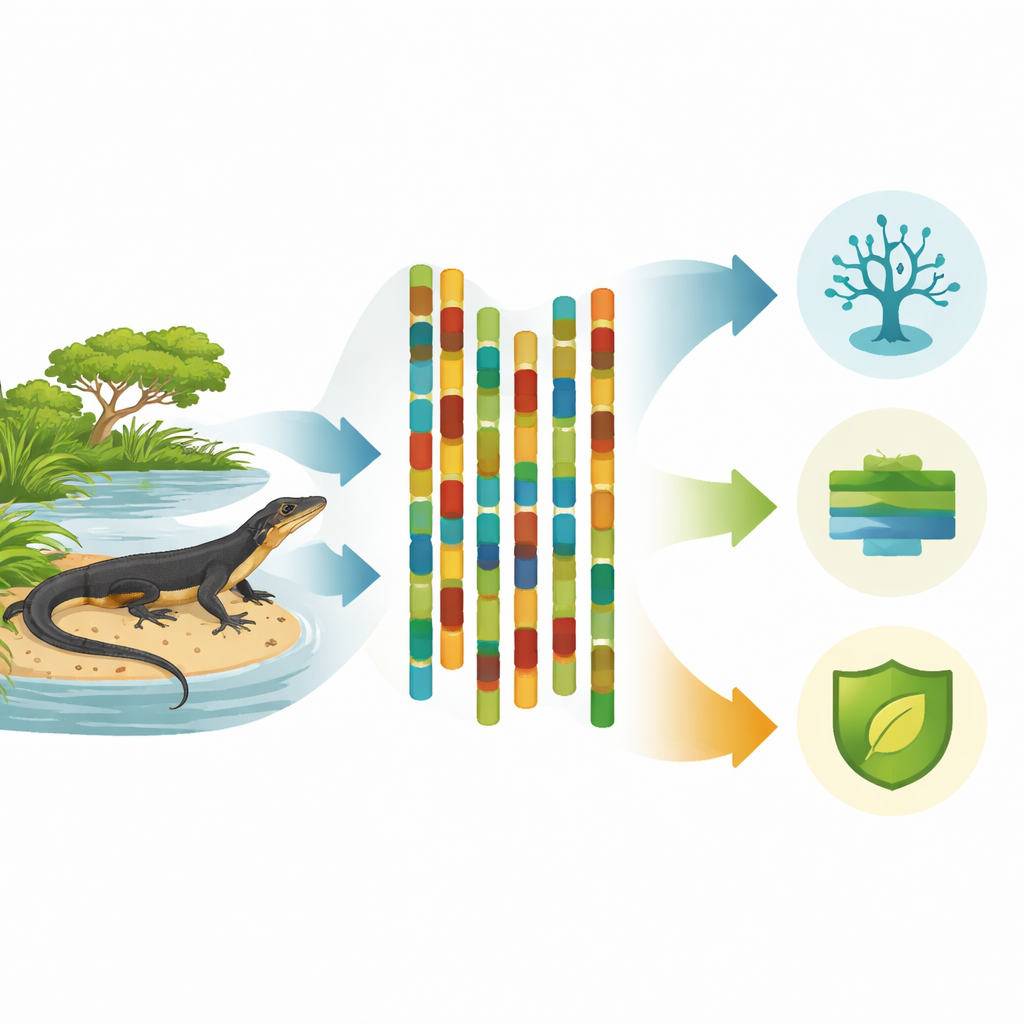
The water monitor lizard, a powerful reptile that patrols rivers and wetlands across tropical Asia, is more than just an impressive animal—it is a key player in its ecosystems and a species under pressure from habitat loss and trade. To understand how this creature has adapted so well to life both in water and on land, and to better protect it, scientists have now decoded its DNA in remarkable detail. This work produces a complete, chromosome-scale genetic blueprint that will help researchers explore how body size, behaviour, and resilience evolve in reptiles, and how best to conserve them.
Why This Lizard Matters
Monitor lizards as a group are a biological oddity: some species are smaller than a human hand, while others, like the Komodo dragon, rival a person in size. Because all these animals belong to a single genus, they offer a natural laboratory for studying how extreme differences in body size and lifestyle arise. The water monitor sits near the larger end of this spectrum and ranges widely from China and India to Indonesia and Sri Lanka. It thrives around rivers, lakes and marshes, feeding on everything from snails and crabs to fish and carrion, helping to keep prey populations in check and recycling nutrients within food webs. At the same time, many monitor species, including the water monitor, are hunted or traded internationally and are listed under conservation agreements, making solid scientific data vital for management decisions.
Building a Complete Genetic Blueprint
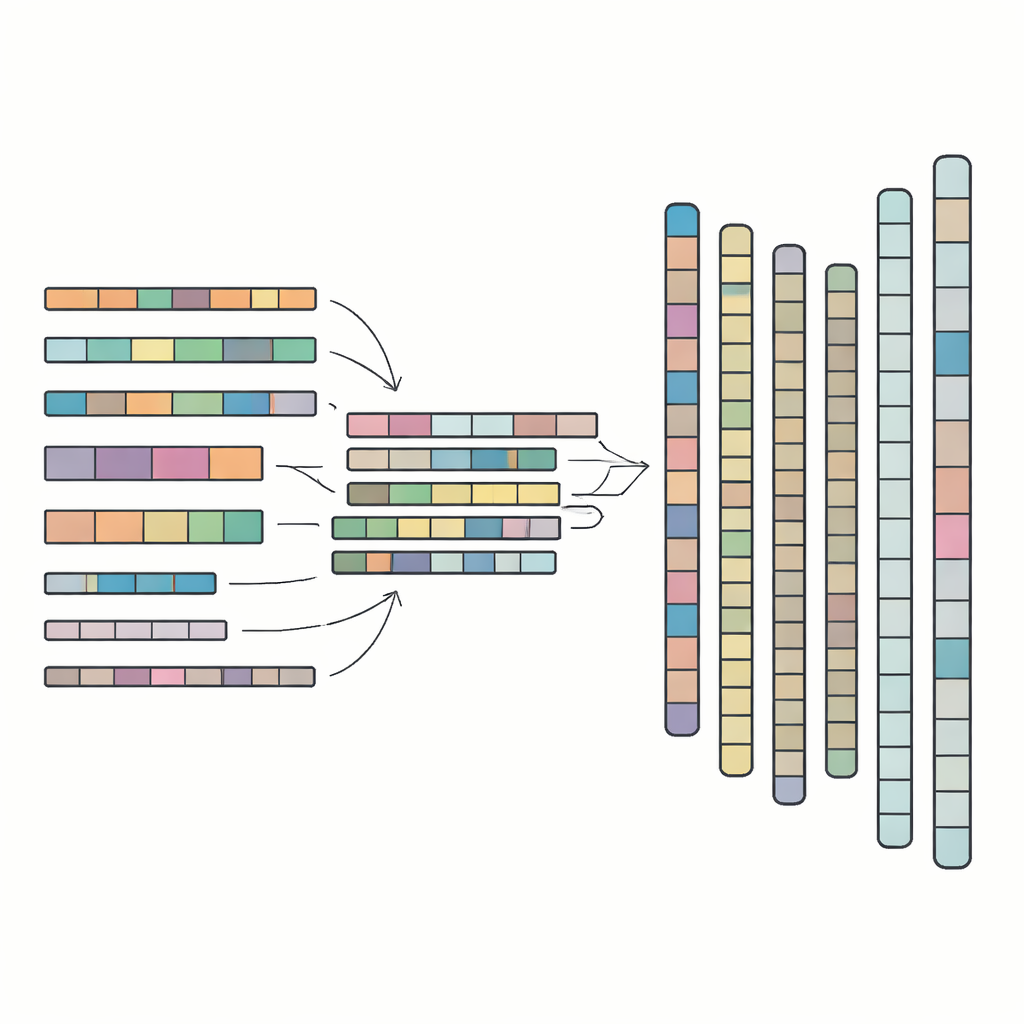
Until now, only a handful of monitor lizard species had had their DNA pieced together, and most of those genomes were incomplete or broken into many small fragments. The team behind this study set out to change that for the water monitor by using a combination of cutting-edge sequencing methods. They collected tissues from an adult male that had died naturally and extracted DNA and RNA from several organs. Short, highly accurate pieces of DNA sequence were generated alongside very long, but less precise, reads and special data capturing how different parts of the genome are physically connected inside the cell. By weaving these complementary data types together, the researchers could assemble the lizard’s genome into long stretches that match its actual chromosomes.
From Raw Data to Chromosomes
The scientists first estimated the size and complexity of the genome by analysing how often small DNA patterns, known as k-mers, appeared in the short-read data. They then used the long reads to build an initial set of large DNA segments, corrected errors with the more accurate short reads, and linked these segments into bigger scaffolds using information from a technology that tags reads coming from the same original DNA molecule. Finally, they applied a method called Hi-C, which records which parts of the genome sit close together in the cell’s nucleus, to arrange these scaffolds into 20 pseudochromosomes. Nearly all of the assembled DNA—about 97 percent—could be placed onto these chromosome-like structures, one of which the team identified as the Z sex chromosome by comparing it with a related monitor lizard species.
What the Genome Contains
The finished genome spans about 1.64 billion DNA letters and shows a high level of completeness when checked against standard sets of conserved vertebrate genes. Roughly a third of the genome consists of repetitive elements, such as mobile DNA sequences, which are known to shape genome evolution. Using a mixture of computer prediction, comparison with other reptiles, and evidence from the lizard’s own RNA, the researchers identified more than 19,000 protein-coding genes and over 3,000 non-coding RNA genes. Almost all of the protein-coding genes could be matched to known functions in public databases, indicating that the assembly is both accurate and informative. Additional tests, including how well the original sequencing reads map back to the genome and how evenly its chemical base composition is distributed, further support the high quality of this reference.
A New Tool for Evolution and Conservation
To a non-specialist, the key outcome of this work is the creation of a reliable, nearly complete map of the water monitor lizard’s genetic instructions. With this map in hand, scientists can now investigate which genes underlie the group’s striking range of body sizes, how these reptiles adapt to life in different climates and habitats, and how their populations are changing under human pressure. Conservation planners can also use the genome to monitor genetic diversity, track illegal trade, and design more effective protection strategies. In short, this chromosome-level genome turns the water monitor from a mysterious river giant into a well-charted species, opening the door to discoveries in evolution, ecology, and wildlife conservation.
Citation: Du, Y., Zhu, XM., Yao, YT. et al. Chromosome-scale genome assembly and annotation of the water monitor lizard, Varanus salvator. Sci Data 13, 594 (2026). https://doi.org/10.1038/s41597-026-06985-y
Keywords: water monitor lizard, genome assembly, reptile evolution, conservation genetics, chromosome-scale DNA