Clear Sky Science · en
De novo transcriptome assembly of the Moroccan fir, Abies marocana Trab
A Hidden Forest Treasure
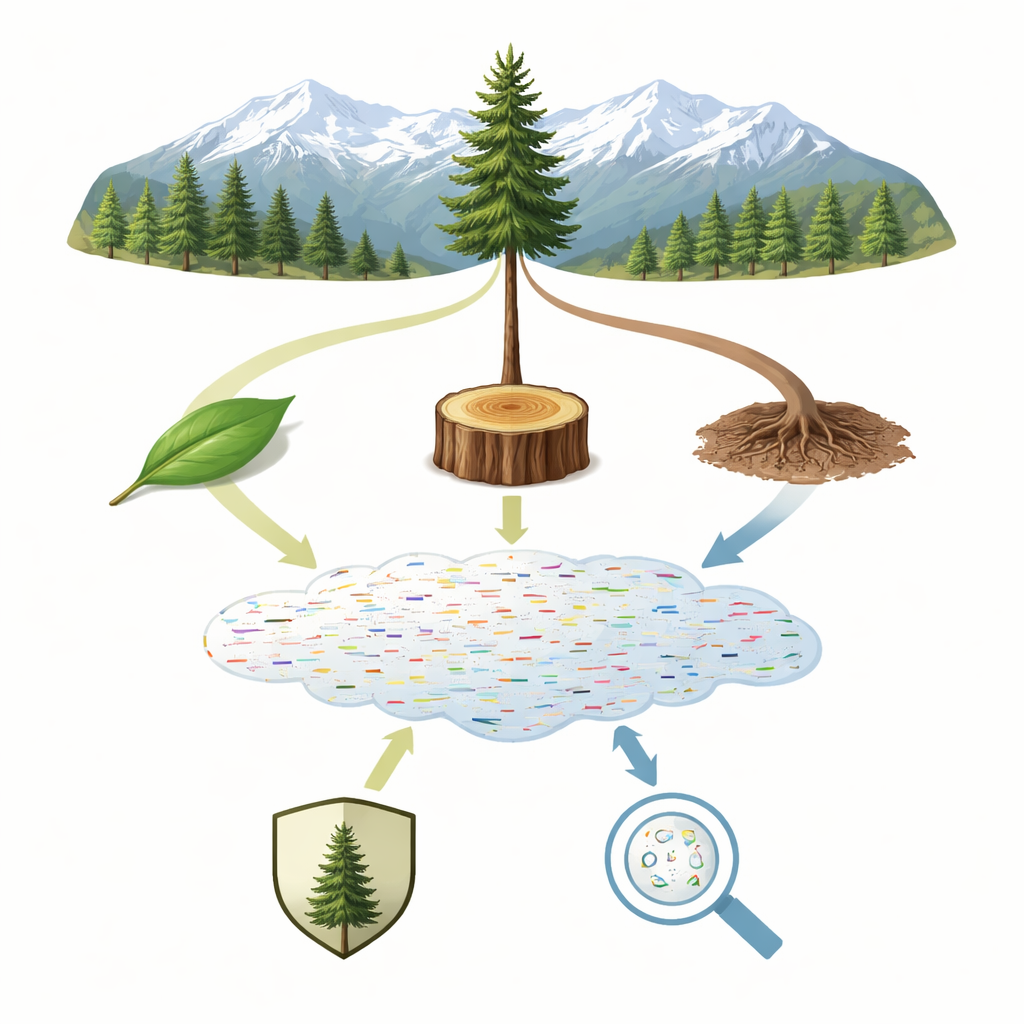
The Moroccan fir is a little-known evergreen that grows naturally in only one small corner of the world: a mountainous patch of northern Morocco. These trees help anchor soils, shelter other species, and store carbon, yet they are already endangered and expected to suffer even more as the climate warms and dries. To protect them, scientists need to understand how these trees function at a deep biological level. This study delivers a key missing piece: a comprehensive catalog of the genes that are switched on in Moroccan fir trees, laying the groundwork for future efforts to breed, restore, and conserve this fragile forest.
Why This Tree Matters
The Moroccan fir occupies just a few thousand hectares in the western Rif Mountains, where it forms high-elevation forests that support biodiversity and local livelihoods. Its limited range and sensitivity to climate make it especially vulnerable to droughts, heat waves, and shifting seasons. Earlier research had revealed some of the tree’s genetic diversity using DNA markers, but scientists still lacked a global view of which genes are active inside the tree’s cells. Without this information, it is difficult to pinpoint how Moroccan fir copes with stress or which individuals might be best suited to survive future climates.
Listening to the Tree’s Inner Voices
To build this genetic catalog, researchers grew young Moroccan fir trees from seeds collected in two natural populations. After several years in a greenhouse, 21 saplings were exposed to a range of conditions designed to mimic challenges they might face in the wild: intense cold and heat, milder but prolonged chilling, short-term drought, simulated insect damage by pinching stems and needles, and a hormone treatment linked to growth and water balance. For each condition, the team sampled three key organs—leaves, stems, and roots—capturing how different parts of the plant respond to their surroundings.
From Molecular Fragments to a Complete Picture
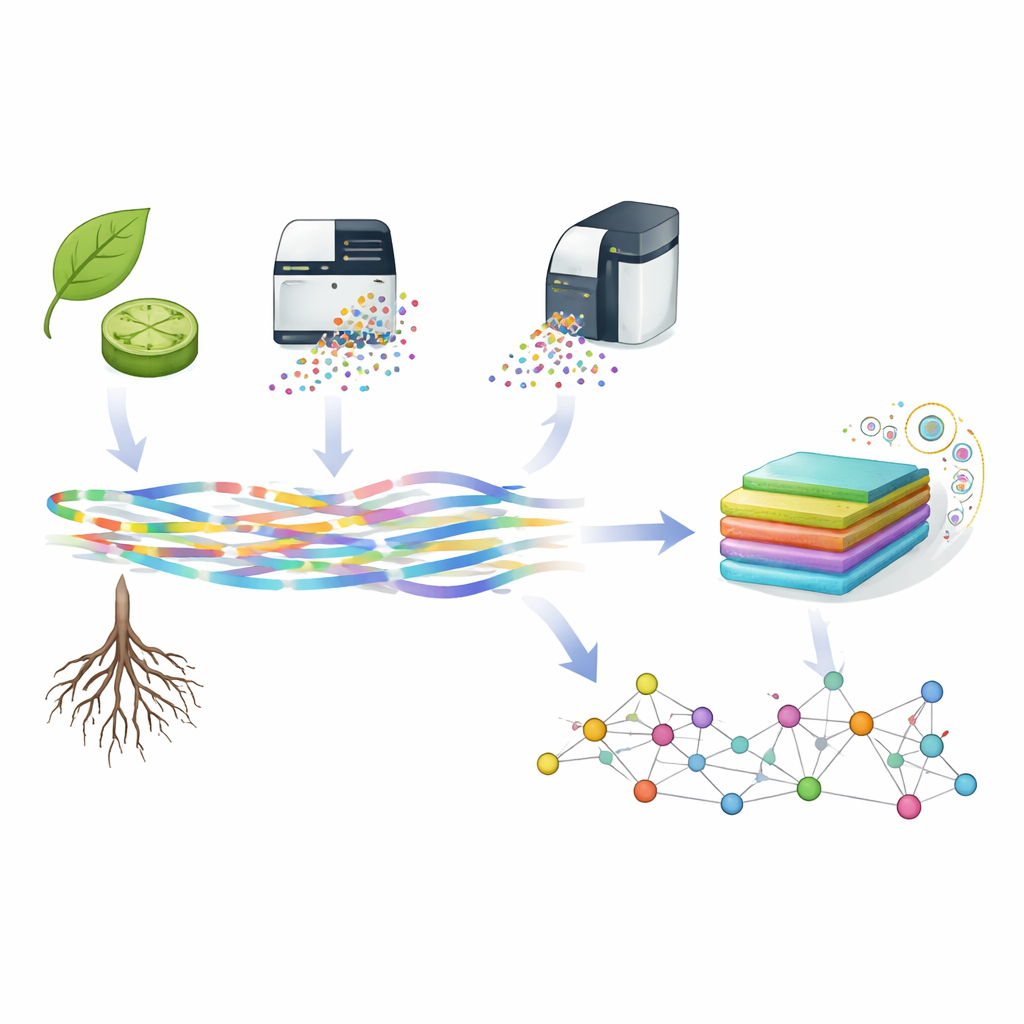
The scientists then extracted RNA, the molecule that carries messages from DNA to make proteins, and sequenced it using two cutting-edge technologies. One produced huge numbers of short fragments, while the other generated longer, more continuous reads. By carefully cleaning these data and assembling them without relying on an existing reference genome, they reconstructed 279,439 distinct RNA sequences, known as transcripts. These transcripts cover a wide range of genes, many of them unique to a single organ and others shared among leaves, stems, and roots. Tests that compare this catalog to a checklist of genes found across land plants showed that more than 92% of expected genes were present, placing this assembly among the most complete for conifer trees.
What the Genes Reveal
Next, the team looked for clues about what these transcripts do. By comparing their sequences with large public databases and known protein families, they could assign likely functions to nearly half of them. Many were linked to core tasks that keep cells alive and growing: building proteins, processing RNA, controlling energy flow, and maintaining membranes and internal structures. Others belonged to networks that help plants sense and respond to their environment, including pathways for metabolism, cell growth and death, daily biological rhythms, disease defense, and responses to plant hormones. Together, these findings show that the assembled transcriptome captures not only routine housekeeping activities but also the molecular machinery that allows Moroccan fir to adapt to stress.
A New Tool for Safeguarding a Relic Forest
The study does not yet rank which genes switch on under each specific stress, but it provides the essential reference needed to ask those questions. Scientists can now explore which genetic pathways support drought tolerance or cold resilience, search for markers that signal robust trees, and compare Moroccan fir with its relatives to understand why some species withstand change better than others. In practical terms, this high-quality transcriptome is a powerful new tool for foresters and conservationists trying to keep this rare mountain fir from disappearing as the climate shifts around it.
Citation: Méndez-Cea, B., García-García, I., Pavesio-Toledano, M. et al. De novo transcriptome assembly of the Moroccan fir, Abies marocana Trab. Sci Data 13, 496 (2026). https://doi.org/10.1038/s41597-026-06888-y
Keywords: Moroccan fir, forest conservation, transcriptome, climate stress, conifer genetics