Clear Sky Science · en
HISTONCHO: A dataset of intervention histories for onchocerciasis control & elimination in sub-Saharan Africa
Why this matters for people and communities
Across much of sub-Saharan Africa, river blindness has shaped daily life for decades, robbing people of sight and health and limiting the possibilities of entire communities. Governments and partners have responded with long-running campaigns that deliver medicines and control the blackflies that spread the parasite. But until now, no one had stitched together a clear, long-term picture of where, when, and how these efforts actually took place. This article introduces HISTONCHO, the first continent-wide, fine-grained history of interventions against river blindness, designed to help countries plan the final push from control to elimination.
A long fight against river blindness
River blindness, or onchocerciasis, is caused by a tiny worm transmitted by blackflies that breed in fast-flowing rivers. It can lead to intense itching, skin damage, visual impairment, and blindness, and is still responsible for a substantial health burden in Africa. Beginning in the 1970s, large regional programmes launched ambitious campaigns: first the Onchocerciasis Control Programme in West Africa, then the African Programme for Onchocerciasis Control in Central and East Africa. Tools included aerial spraying of rivers to kill blackfly larvae and mass drug administration (MDA) of ivermectin, the medicine that clears the parasite’s young forms from the skin and eyes. Some areas have now received 30 to 50 treatment rounds, yet only a minority of transmission zones have formally reached elimination.
From scattered records to one shared history
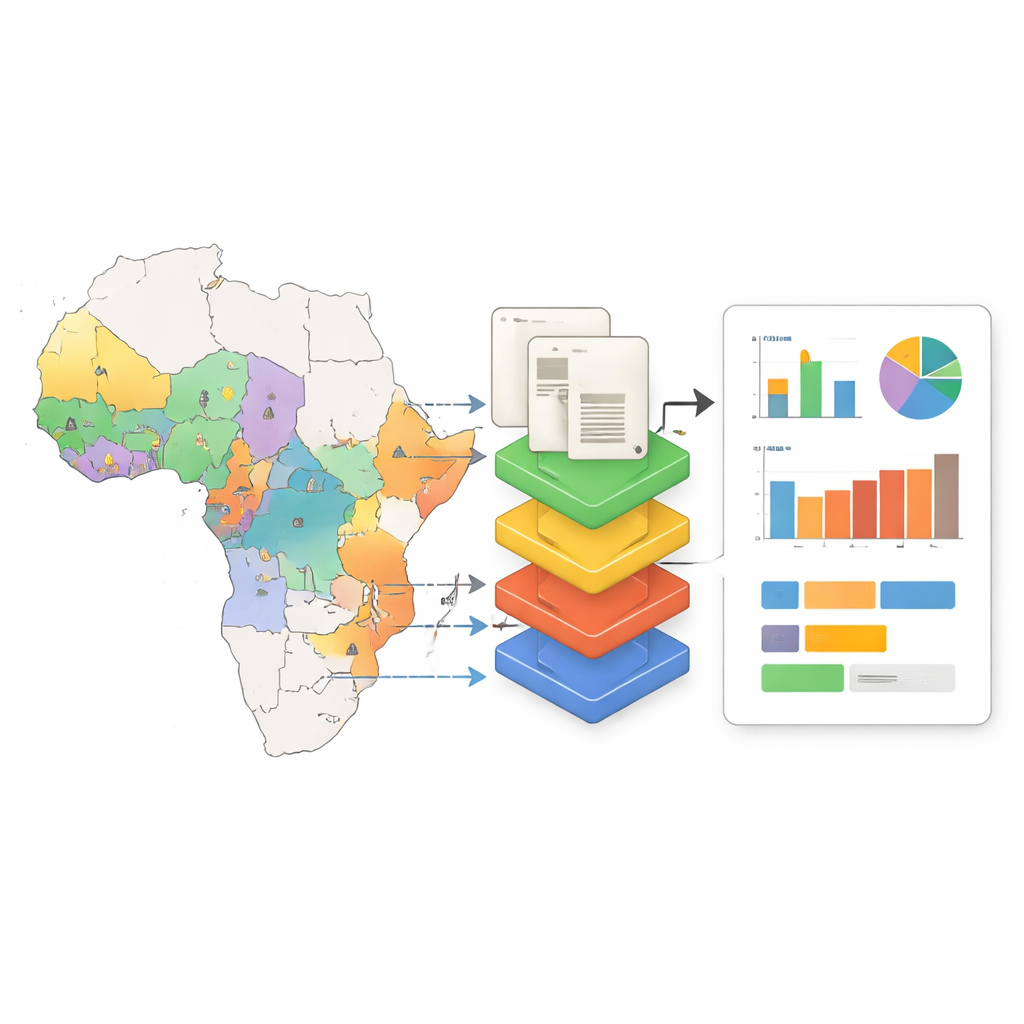
Over the years, data on these efforts piled up in many places: World Health Organization repositories, regional reports, national health ministries, researchers’ studies, and the newer ESPEN data portal that compiles recent treatment information. Each used different geographic boundaries, time spans, and levels of detail. The HISTONCHO project set out to bring order to this patchwork. The authors identified all subnational “implementation units” that have ever been endemic for river blindness in 28 countries, then traced, year by year from 1975 to 2022, which mix of tools each area received: annual or twice-yearly ivermectin campaigns, vector control, or neither. Where boundaries changed over time, they carefully linked old and new units and filled in missing years using the best available evidence.
How the dataset was built
To decide which areas truly belonged in the dataset, the team combined recent classifications from the ESPEN portal with older maps that estimated infection levels before control began. They converted survey data on palpable nodules in adult men into overall parasite prevalence estimates, then used these to label areas as low, medium, or high endemic. For each qualifying area, they reconstructed intervention histories. In West Africa, they aligned the timing of river spraying and drug distribution with the phases of the original control programme and its later “special intervention zones,” where efforts were intensified. In the rest of Africa, they relied on a major 2015 report plus country-specific records to infer when MDA started, how often it occurred, and likely coverage levels. Where national programmes or partners shared detailed local data, such as for Nigeria, Sudan, Uganda, and certain hotspots, these richer records replaced coarser assumptions.
What the new picture reveals
The resulting HISTONCHO dataset covers 2,130 implementation units across the region. Most have received long stretches of yearly ivermectin treatment, and several hundred have at some point moved to twice-yearly campaigns, often alongside vector control. A small fraction—mainly in Gabon and a few areas of Sudan—remain treatment-naïve despite evidence of infection risk. The dataset also marks where river blindness overlaps with lymphatic filariasis or loiasis, other worm infections that complicate drug delivery because of safety concerns or differing target populations. The authors document important gaps and uncertainties: missing early coverage data, inconsistencies in central databases, and difficulty tracking why some areas have stopped MDA—whether due to success, logistical challenges, or other reasons.
How this resource can guide the road to elimination
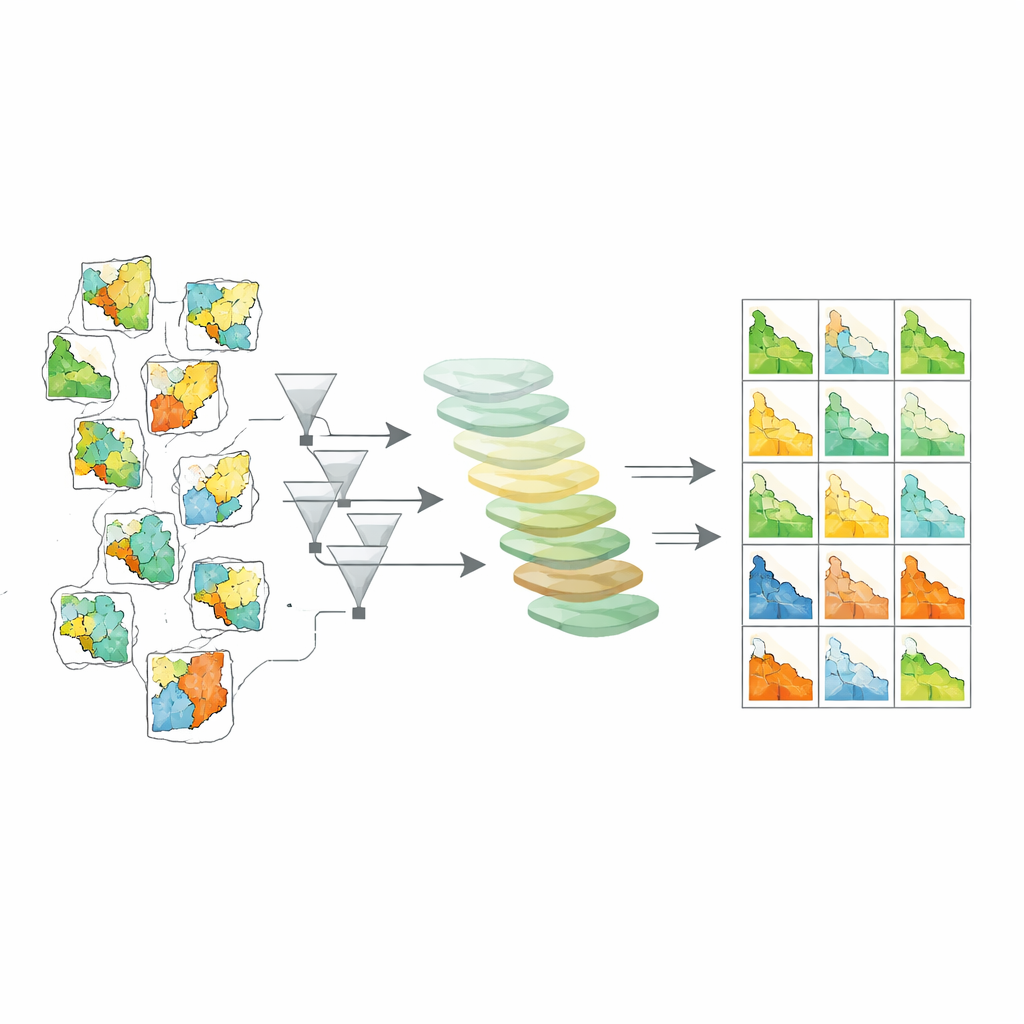
HISTONCHO offers, for the first time, a consistent, open record of nearly five decades of river blindness control at the working scale used by national programmes. For decision-makers, it can highlight places where treatment has been sparse, interrupted, or complicated by other infections, pointing to where mapping, intensified campaigns, or new tools may be needed. For modellers and data analysts, its standardized histories make it possible to simulate the impact of past and future strategies, estimate how close different areas are to stopping treatment safely, and design smarter, more efficient plans. In simple terms, this dataset turns scattered memories of the fight against river blindness into a shared map, helping countries chart the last steps toward eliminating the disease.
Citation: Dixon, M.A., Walker, M., Ramani, A. et al. HISTONCHO: A dataset of intervention histories for onchocerciasis control & elimination in sub-Saharan Africa. Sci Data 13, 480 (2026). https://doi.org/10.1038/s41597-026-06852-w
Keywords: river blindness, mass drug administration, sub-Saharan Africa, disease elimination, public health data