Clear Sky Science · en
Single-lead Thigh ECG Dataset (tOLIet) with Analysis of BMI Effects on Cardiac Signal Quality
A Heart Checkup in the Most Ordinary Room
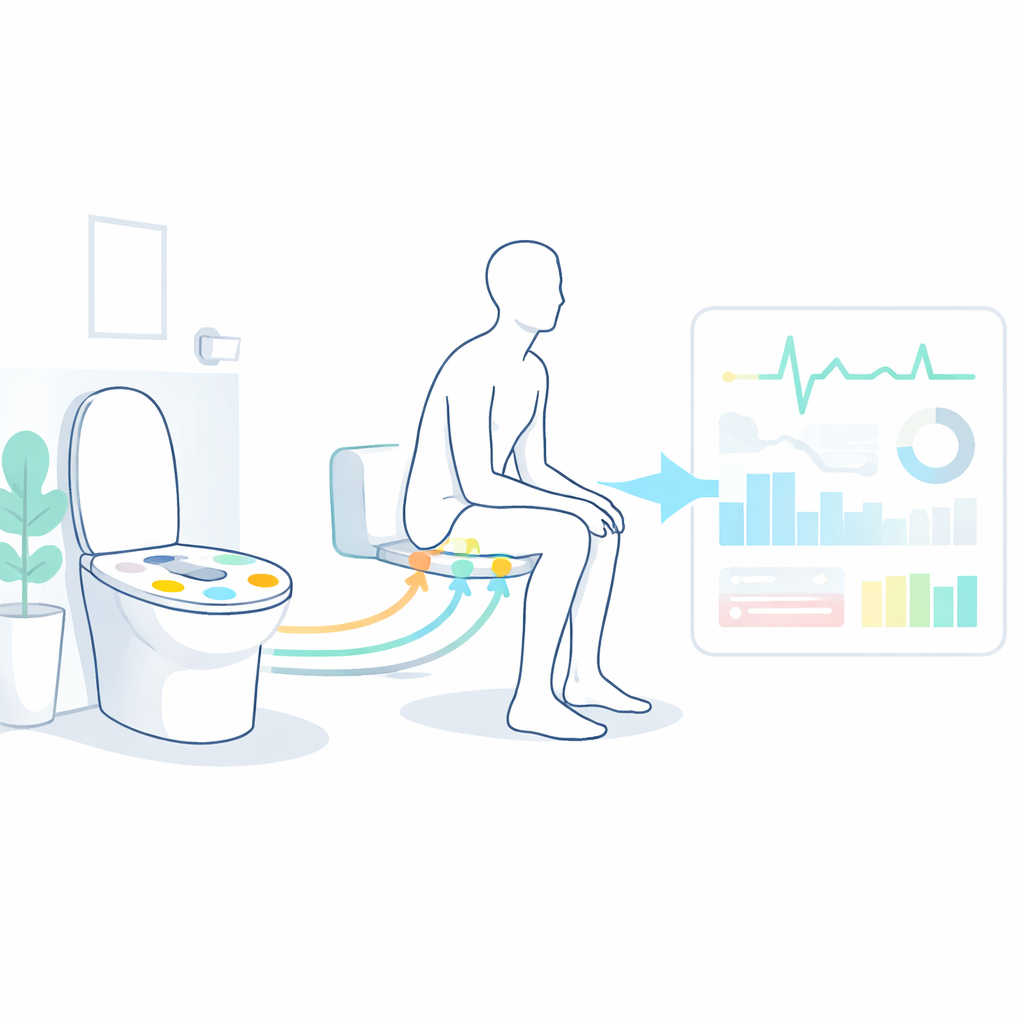
Imagine getting a quick heart checkup every time you sit on the toilet, without wires, patches, or apps to remember. This study describes a new way to record the heart’s electrical activity through the thighs using special sensors built into a toilet seat. The researchers not only built and tested this system but also released a public dataset that others can use to improve heart monitoring technologies and explore how body type affects the quality of these quiet, everyday measurements.
Why Moving Heart Tests into Daily Life Matters
Heart and blood vessel diseases are now among the leading causes of death worldwide, and spotting problems early can save lives. Today, the most reliable heart test is the standard 12‑lead electrocardiogram (ECG), which requires sticky electrodes on the chest and limbs, trained staff, and a controlled setting like a clinic or hospital. Wearable gadgets such as smartwatches and chest straps help extend monitoring into daily life, but they must be charged, worn correctly, and are often disturbed by movement. The toilet, on the other hand, is used regularly by nearly everyone, usually in a calm and private setting. That makes it an appealing place to hide sensors that could quietly record heart signals over months or years.
How a Toilet Seat Becomes a Heart Sensor
The team designed a standard‑looking toilet seat with four pairs of dry electrodes embedded along the sides where the thighs rest. Each pair has a different surface texture and is placed in a slightly different position. When a person sits, these electrodes pick up a single‑lead ECG from the thighs. In tests with 86 volunteers, the seat recorded signals for up to about five minutes at a time, from the moment they sat down until they stood up, without telling them how to sit or how long to stay. For a subset of participants, the researchers also collected a regular 12‑lead clinical ECG at the same visit, creating a reference to check how well the seat signals reflect true heart behavior.
What Is Inside the Shared Dataset
The resulting "tOLIet" dataset contains 149 recordings from those 86 people, along with their age, height, weight, and gender. For each session, there are raw signals from all four toilet‑seat electrode pairs, plus, when available, the 10‑second clinical ECG from the hospital‑grade machine. The files are organized together with openly shared computer scripts written in Python. These scripts show exactly how the team cleaned the signals, filtered out slow drifts caused by posture or breathing, and extracted standard timing features such as heart rate and the main intervals that describe how electrical impulses travel through the heart. By including both the raw measurements and the analysis code, the authors make it easy for others to reproduce their work or try new signal‑processing and machine‑learning ideas.
How Body Shape and Sitting Style Affect Signal Quality
One of the central questions in the study is why some recordings are cleaner than others. The authors inspected how often each electrode pair produced a valid, unsaturated signal for each person. They found that the exact texture of the metal surface mattered less than simple geometry: whether the user’s thighs actually pressed on that part of the seat. Leg length, body build, and natural sitting posture all changed the contact pattern, so some people made good contact on one side but not the other. The team also examined body mass index (BMI) and split the results by gender. Women in the study generally showed high and stable signal quality across BMI ranges. Men, especially those in overweight and obese categories, had more variable and often poorer signal quality—a difference the authors partly attribute to many male volunteers keeping their underwear on, which weakens skin contact and introduces a clothing‑related confounding factor.
What These Signals Can—and Cannot—Tell Us
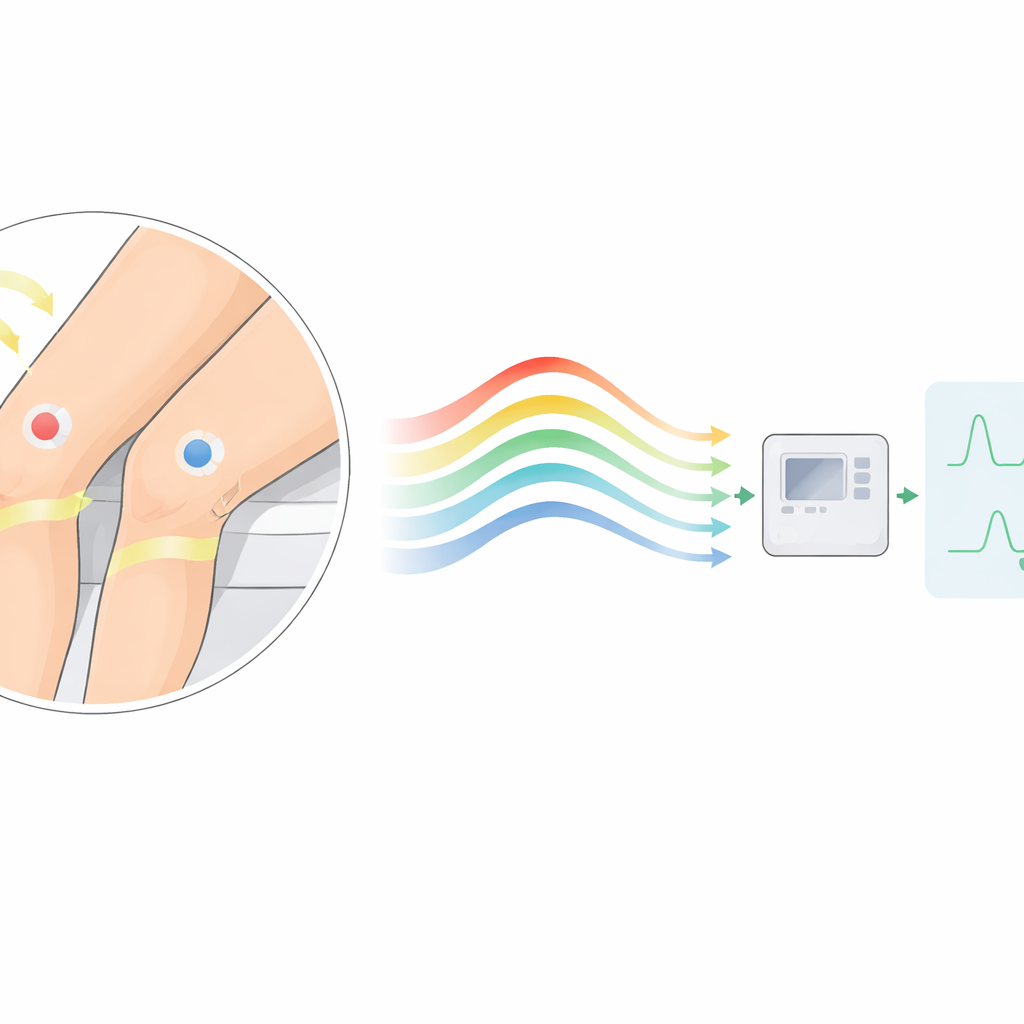
Because the heart is being “seen” from the thighs rather than the chest, the waves on these recordings look different from the classic medical charts doctors are used to. The signals are weaker, more easily distorted by movement, and not suited to replacing a full 12‑lead test. Still, the study shows that key timing features such as heart rate and major intervals can be measured in a way that is broadly consistent with the clinical reference system. This suggests the toilet‑seat method could be useful for long‑term trend tracking, early warning, or even identity recognition, rather than for full diagnosis on its own.
A New Everyday Window into Heart Health
In simple terms, this work shows that it is both possible and practical to monitor the heart from an ordinary‑looking toilet seat, and offers a carefully curated dataset for others to build on. The researchers highlight that seat design, electrode placement, clothing habits, and body shape all influence how reliably signals can be captured, and that future devices must be tuned to real‑world users rather than ideal lab conditions. By turning a daily routine into an effortless health check, this approach points toward a future where quiet, invisible sensors in our homes help spot heart problems earlier and make continuous monitoring far less intrusive.
Citation: Silva, A.S., Correia, M.V., Laranjo, S.M. et al. Single-lead Thigh ECG Dataset (tOLIet) with Analysis of BMI Effects on Cardiac Signal Quality. Sci Data 13, 666 (2026). https://doi.org/10.1038/s41597-026-06713-6
Keywords: toilet-seat ECG, invisible monitoring, cardiovascular health, wearable alternatives, biosignal datasets